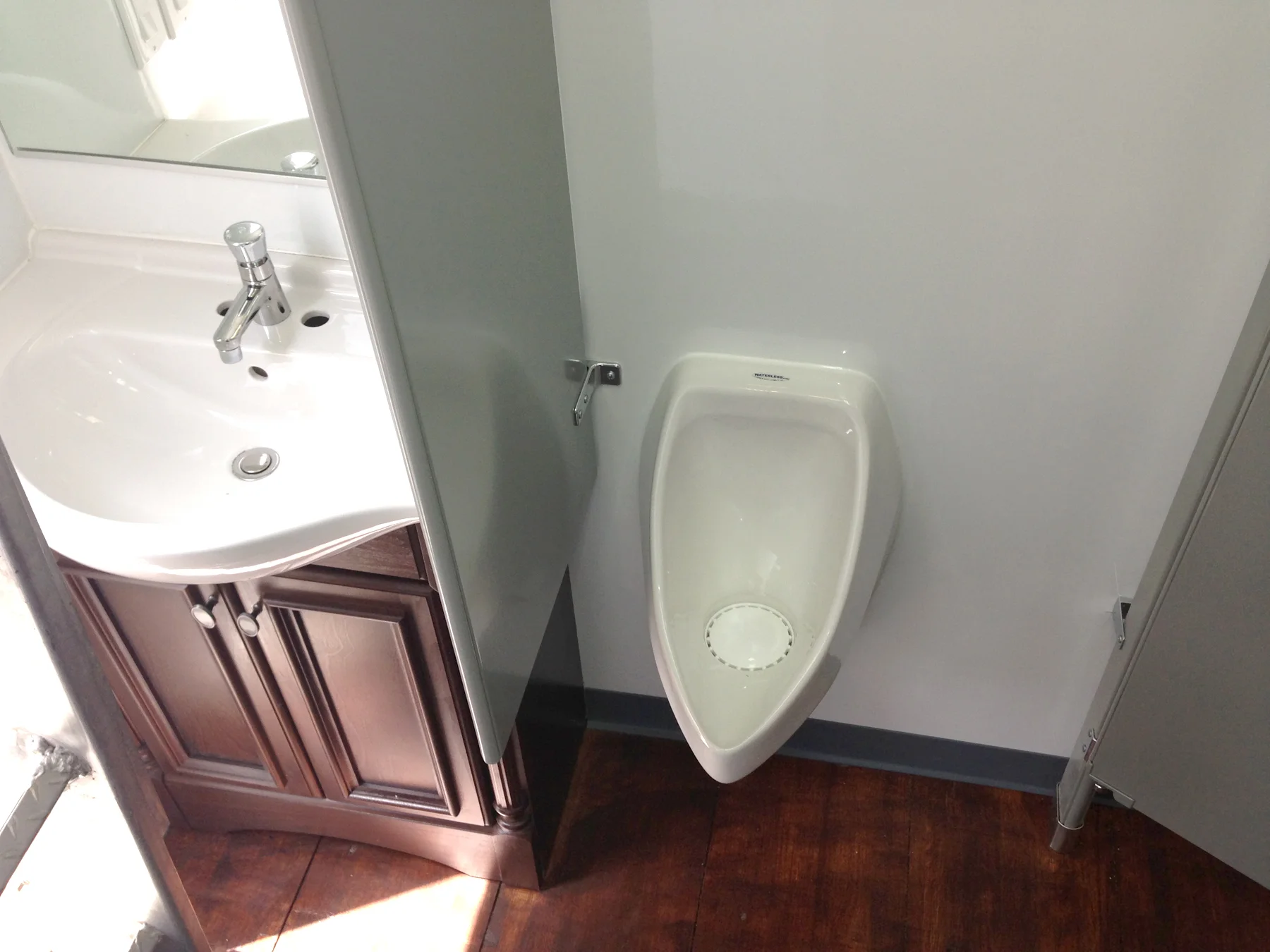
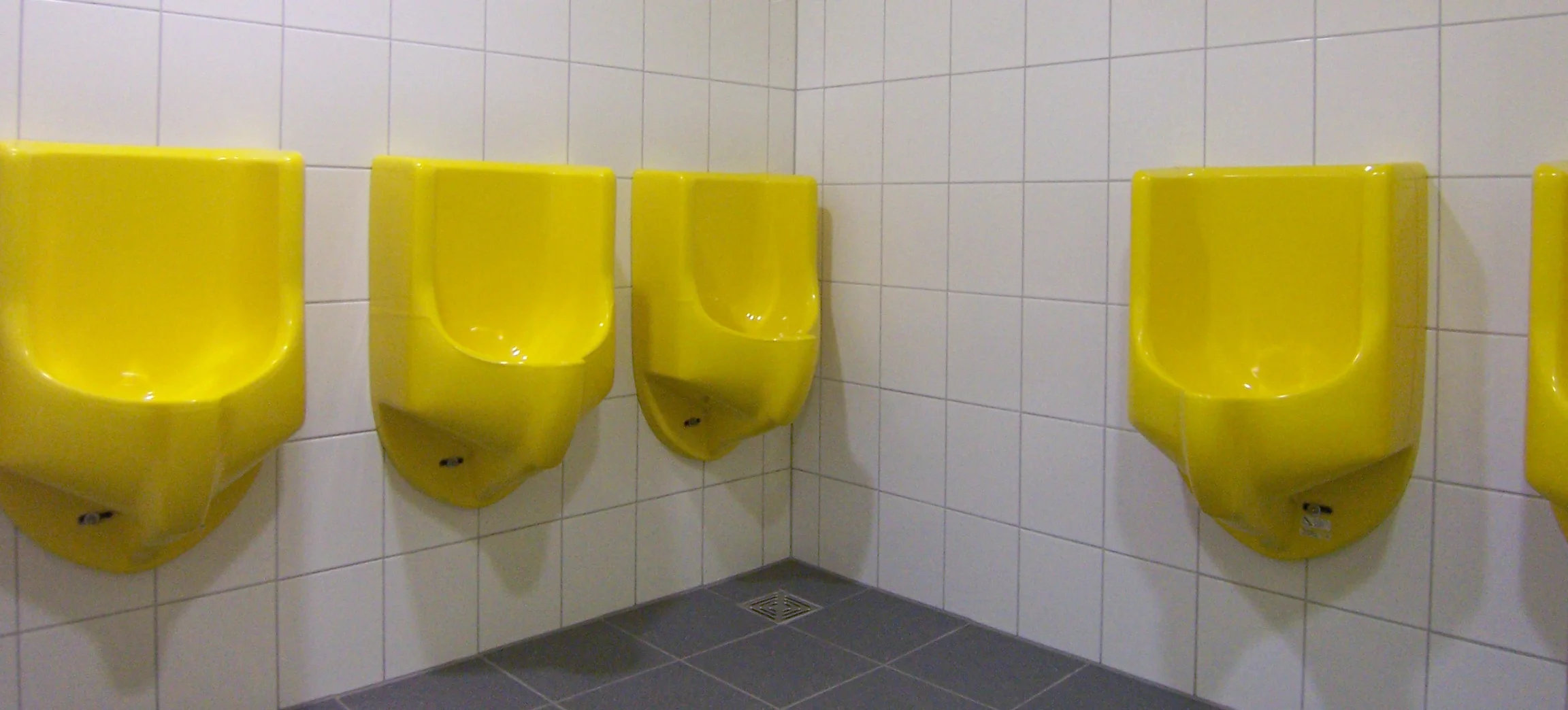
The Baja waterless urinal from Waterless Co. - the leader in no-flush urinals - offers savings in water, water costs, and washroom maintenance.
The Baja, with its cost efficient design, is a quality alternative for all businesses seeking to improve standards of health and hygiene in the washroom environment.
Red Flags Over Water
From Water Conservation to Efficiency, and now Waste
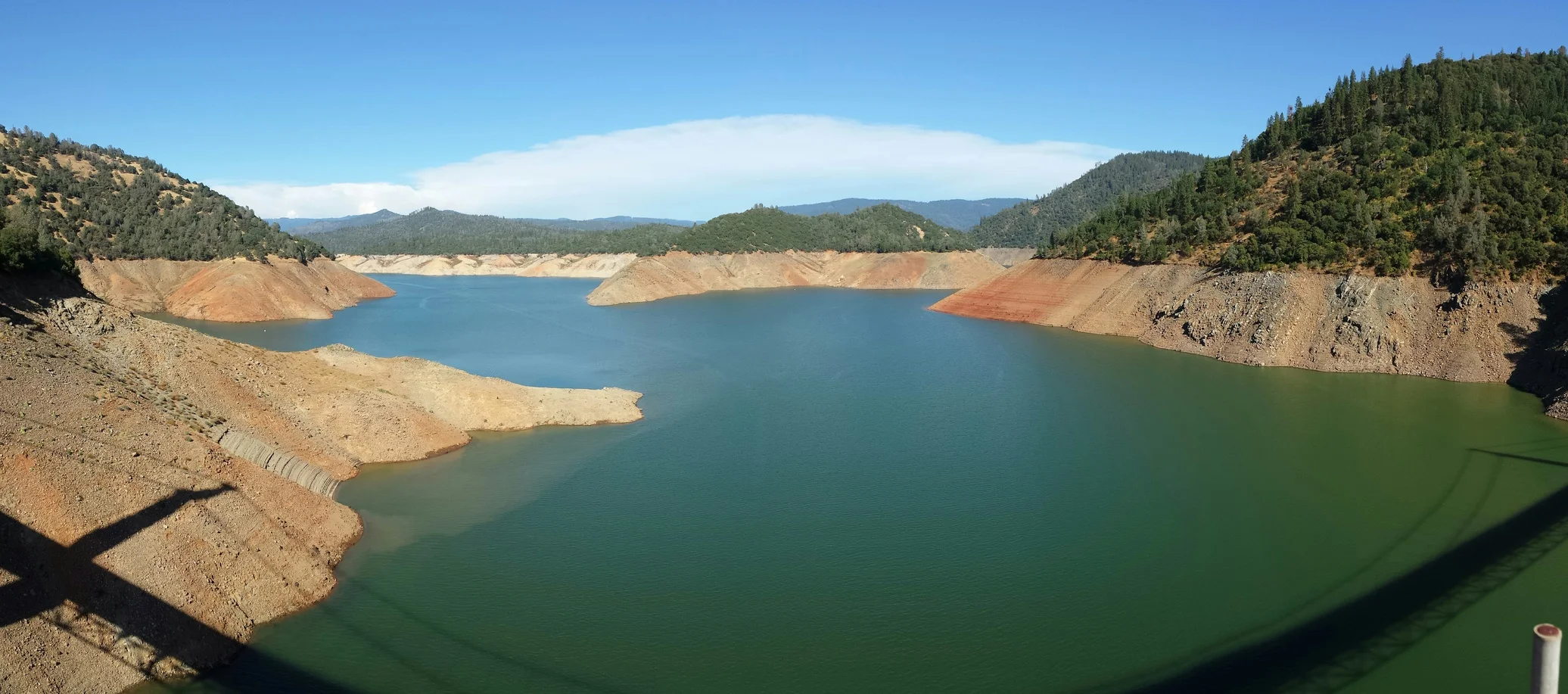
Back in the 1970s, when California first experienced serious water shortages, citizens and businesses were asked, and in some cases required, to scale back on water consumption. While it was inconvenient, most everyone in the State believed the restrictions were only temporary. The assumption was that once a major rain or snowfall event occurred the shortage would be over and everything would be back to normal…and they were invariably right.
We referred to the actions the state took in those days as water conservation. People and industry conserve water during droughts but it is always with the expectation that in a few months, or possibly a year, it will all be over.
Avoiding Looming Water Problems
Many people are surprised to learn that the Chinese word for crisis actually has two meanings. The same Chinese characters that represents “danger” also means “opportunity.” Similarly, the future water challenges expected in the United States and other parts of the world may actually be opportunities in disguise.
In May 2014, the Pacific Institute (which researches and promotes sustainability-related issues), along with VOX Global (a public affairs and communications firm), contacted senior executives from more than 50 major companies in the United States—including such large and extremely well-known corporations as AT&T, The Hershey Company, MillerCoors, and the Union Pacific Railroad—to survey them regarding water issues.
Flushing Away the Old World of Flushing
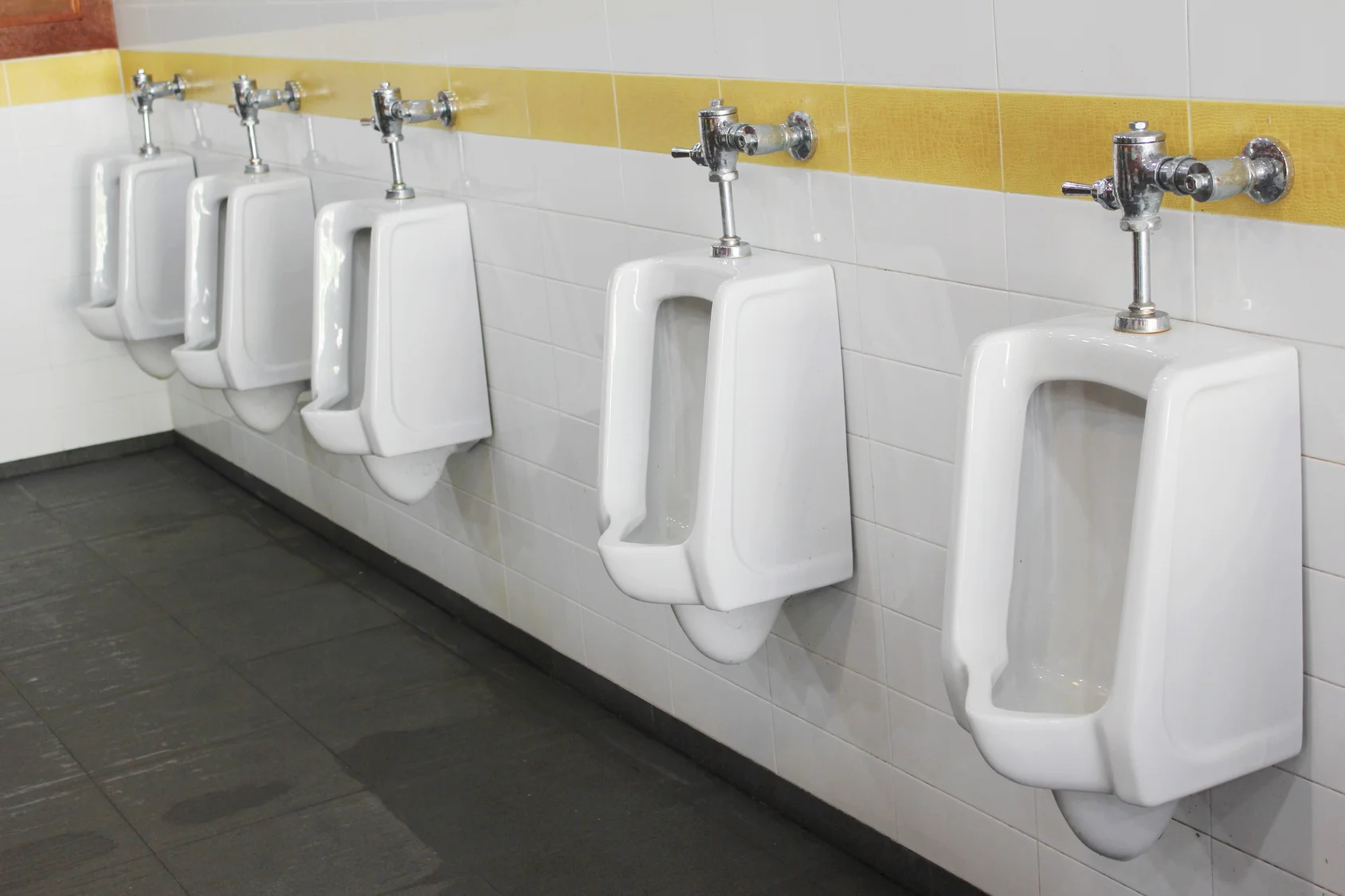
Many people may be surprised to learn that the old ways of flushing toilets and urinals are literally being flushed away. In an effort to conserve water, new technologies have been introduced that reduce the amount of water necessary to flush a toilet or urinal while still keeping restrooms sanitary and odor free.
The BIG Odor Problem
About four years ago, the city of San Francisco began requiring what are termed high-efficiency toilets – which usually use even less water than is federally mandated – to be installed in city-owned facilities and large public buildings such as ballparks, where huge volumes of water can be consumed. The program moved along reasonably well until building users started complaining of a “rotten egg” stench, not only in the restrooms, but throughout these facilities.
Finding Value in Water Conservation
Just as with steps to reduce energy and fuel consumption, new technologies in water conservation are helping us tremendously. Today’s restroom fixtures are using far less water than those manufactured twenty or more years ago, and no-water systems, such as waterless urinals, are finding greater acceptance. Further, everything from lightbulbs to cars are now designed to use less energy and fuel.
Looking into the Water Crystal Ball
Having been involved in the business of water for going on thirty years now, it is clear to be there are four significant trends evolving here in the U.S. and in many other industrialized parts of the world as it pertains to water. Some of these trends you may already be aware of or suspect they are evolving, others you may not.
The Cost of Water: Why It Keeps Going Up
The cost of water keeps going up as most facility managers know. In fact, in many cases, the cost of water is going up very significantly, with even higher costs anticipated in the future. For instance, in Chicago, the cost of water went up an average of 25 percent in 2012, and plans are now being discussed to double rates in 2015.