
The Mystery of the Stinky Science Lab: Whodunit?

Image of Sherlock Holmes by Sidney Paget, Wikipedia, Public Domain,

Picture, or should we say, smell this: A school supervisor walks into a middle school science lab, and the teacher immediately pulls him aside with an embarrassing warning. "Just so you know," she whispers, "the student you'll be sitting next to has a bit of a... gas problem today."

Being a trooper, the supervisor takes his seat anyway. Sure enough, there's definitely an odor situation happening. But here's where our detective story gets interesting—the bell rings, the students file out, and the smell doesn't leave with them.

Suspicious

Now fully in Sherlock Holmes mode, our supervisor begins investigating. He follows his nose to the back of the lab and discovers the true villain of our story: a lonely, neglected sink that nobody ever uses.

The Plot Thickens: What's Really Going On?

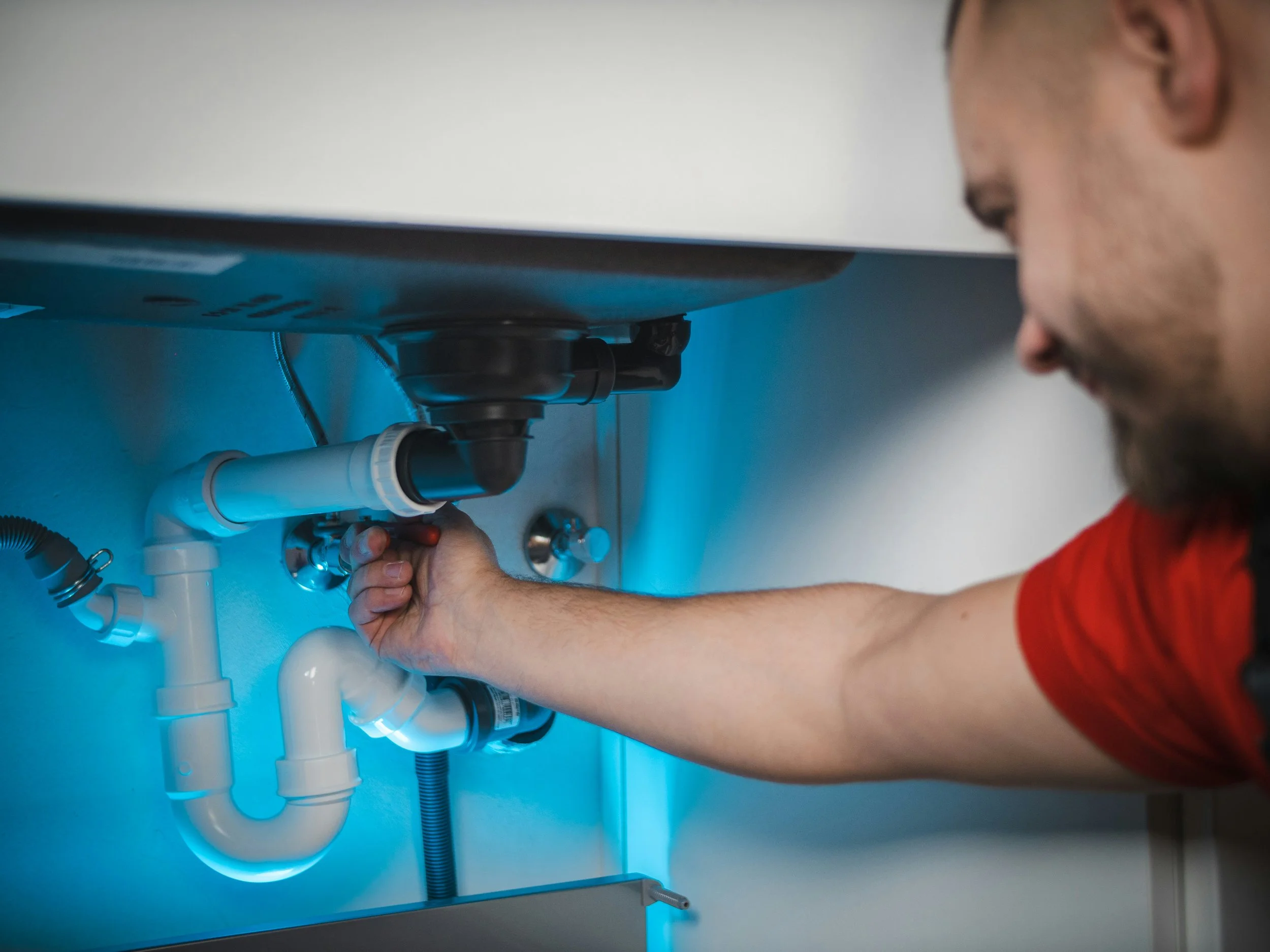
Turns out, that innocent-looking sink was harboring a secret. Its drain trap—that curvy pipe underneath - that looks like a J, U, or P - had completely dried out. Normally, these traps hold water that acts like a liquid barrier, keeping nasty sewer gases exactly where they belong: not in your classroom. But when the water evaporates? Those gases throw a party in your lab.

Why You Should Care (Beyond the Obvious)

Yes, no one likes to smell malodors. But in a science lab, this isn't just an "open a window" situation. When sewer gas mingles with chemical fumes, things can get dangerous fast—think explosions or toxic gas creation. Even without chemicals in the mix, these odors mess with people's heads (literally), causing headaches, brain fog, crankiness, and exhaustion. The kicker? This can happen even when you can't smell anything.

The Ridiculously Easy Fix

Here's what usually happens: someone calls maintenance, who shows up with cleaning supplies and bleach, makes a big production of it, and finally runs water down the drain.

Want to know the secret? All you needed was water. Skip the bleach, skip the drama. Just run the tap. The water refills the trap, blocks the gases, and boom—problem solved. (At least until it dries out again.)

But Why Does This Keep Happening

Schools are often empty during breaks, allowing drain traps to dry out and sewer gases to enter. To solve this, many districts use Everprime, which keeps traps from drying out for months and prevents odors from re-occurring when classes resume.

Case closed. Mystery solved. Class dismissed.

Want to banish sewer smells from your building for good? Contact a Waterless Co. Inc., representative now.


Source: Ken Roy, "An Ounce of Preventive Maintenance," Science Scope 38, no. 8 (2015)

šŸ’§ The Top 10 Environmental Benefits of Waterless Urinals

šŸ’§ The Top 10 Environmental Benefits of Waterless Urinals

Did you know a single conventional urinal can use up to 40,000 gallons of water each year? 😳

Waterless urinals eliminate that waste completely — helping facilities save money šŸ’°, cut energy use ⚔, and protect the planet šŸŒŽ. Here’s how:

1ļøāƒ£ They Save a Lot of Water

Traditional urinals use 1–3 gallons per flush. Waterless urinals use zero — saving tens of thousands of gallons annually per fixture.

2ļøāƒ£ Instant Energy Savings

Less water = less pumping, treating, and heating. The energy savings start on day one. āš™ļø

3ļøāƒ£ Less Wastewater

No flushing means less water going to treatment plants — reducing the strain on city systems. 🌊

4ļøāƒ£ Lower Carbon Footprint

Saving water and energy also reduces the greenhouse gas emissions tied to both. ā™»ļø

5ļøāƒ£ Fewer Chemicals in Our Waterways

With less water to treat, fewer chemicals (like chlorine and disinfectants) enter the environment. 🌱

6ļøāƒ£ Protects Natural Water Sources

Every gallon saved helps preserve rivers, aquifers, and lakes — the heart of our ecosystems. šŸžļø

7ļøāƒ£ Cuts Plastic Waste

No need for disposable urinal screens that can take centuries to decompose. 🚫🧓

8ļøāƒ£ Frees Up Resources

The water saved can support other essential industries — from food production to clean energy. ⚔🌾

9ļøāƒ£ Raises Awareness

Seeing a waterless urinal reminds people every day that small changes make a big impact. šŸ’§

šŸ”Ÿ Good for the Planet and Your Brand

Customers and employees notice sustainability in action. Installing waterless urinals shows leadership — and earns respect. šŸŒšŸ™Œ

āœ… Bottom line: Waterless urinals don’t just save water — they make environmental and business sense.

šŸ’¬ Are you seeing more water-saving fixtures in public spaces or your own facilities? What’s been your experience?

#WaterConservation #Sustainability #FacilityManagement #GreenBuilding #EnergyEfficiency #WaterlessUrinals

Ready to dramatically reduce water consumption and cut costs? Waterless Co., Inc has pioneered water efficiency solutions for over 35 years, helping facilities save millions of gallons annually. Our waterless urinals eliminate up to 35,000 gallons of water waste per fixture each year, turning your restrooms into profit centers, not cost drains.

Stop flushing money down the drain. Contact a Waterless Co Inc. specialist today for a free water savings assessment and discover how much your facility can save.

Traveling Over the Holidays? Expect to See More Waterless Urinals

Image by Josh Sorenson found on Prexels

Here’s a surprising fact: before 1989, urinals used three to five gallons of water per flush—sometimes more. After federal efficiency standards were introduced in 1992, that dropped to about one gallon per flush (gpf).

That’s an improvement, but still one gallon too many. Even modern low-flow urinals can waste between 20,000 and 40,000 gallons of water each year, depending on how frequently they’re used.

As our world grows warmer, water demand is increasing. People drink more liquids, and restrooms, especially in airports, malls, and sports venues get heavier use. That’s why no-flush urinals, like those from Waterless Co., Inc., are gaining so much attention.

Here’s why more facilities are making the switch:

šŸš€ Easy Installation

Waterless urinals typically share the same footprint as conventional models, making installation simple. Once the water line is capped or removed, the new urinal fits right into place—no major plumbing modifications needed.

šŸ”§ Lower Maintenance Costs

Because they have no sensors, flush valves, or handles, waterless urinals come with fewer parts to break or repair. That means fewer service calls, fewer headaches, and lower long-term costs.

🧼 More Hygienic

Even before the pandemic, most people avoided touching restroom fixtures. Waterless urinals have always been completely touch-free—use them and walk away. That makes them one of the most hygienic restroom options available.

šŸ’” The Secret Behind the Technology

At the heart of every Waterless urinal is the EcoTrapĀ® system, which contains a thin layer of BlueSealĀ® liquid sealant. When urine passes through, it flows into the drain while the sealant forms a barrier that prevents odors from escaping. The result? A clean, odor-free restroom without a single flush.

🧽 What Cleaning Professionals Should Know

Cleaning waterless urinals is simple but slightly different from traditional ones.

  • Never pour water inside.

  • Spray the exterior with an all-purpose cleaner and wipe it clean.

  • If disinfecting, always clean first—then disinfect.

These steps keep the urinal performing efficiently and hygienically.

šŸŒ The Bigger Picture

Water scarcity is no longer a distant concern. The World Resources Institute projects that by 2040, half of the world’s population will live in areas facing water stress—where water demand outpaces supply. Climate change, droughts, and population growth are accelerating the crisis.

The solution comes down to two things:

1.    Cut water use wherever possible.

2.    Use water more efficiently when needed.

These go hand in hand—and waterless urinals do both.

šŸ’§ Stop Flushing Money Down the Drain

For over 35 years, Waterless Co., Inc. has helped facilities worldwide save millions of gallons of water annually. Each Waterless urinal can eliminate up to 35,000 gallons of water waste per fixture every year—turning restrooms from cost centers into profit centers.

Ready to see how much your facility can save?
Contact a Waterless Co., Inc. specialist today for a free water savings assessment.

ā„ļø Facility Management Pro-Tip: Stop Winter Restroom Odors at the Source

Image by Zach Szohoflcvy Found on Unsplash

As temperatures drop, facility managers face a hidden winter plumbing threat: dried-out drain traps.

Cold weather and dry indoor air, accelerated by heating systems, cause the water seal in U-traps (aka P-traps under sinks and floor drains) to evaporate. When this protective water barrier is gone, hazardous sewer gases—including hydrogen sulfide, methane, and ammonia—can enter your facility, causing bad odors and serious health concerns.

The Problem with Old Solutions (Water & Bleach)

  • Water: Evaporates quickly in heated buildings, requiring constant, labor-intensive re-pouring.

  • Bleach: Toxic, corrosive to pipes, environmentally harmful, and still evaporates like water.

The Modern Solution: EverPrime from Waterless Co.

Modern facility maintenance requires a non-evaporating, professional-grade solution to maintain air quality and restroom health during winter. This is what EverPrime is all about.

Here are just some of the feature and benefit of Everprime for Facility Managers:

  • Non-Evaporating Formula

  • Forms a protective, long-lasting barrier. Reduces labor costs and maintenance frequency.

  • Eco-Friendly

  • Biodegradable and safe for the environment; ideal for facilities pursuing green building certifications.

  • Temperature Resistant

  • Maintains seal in both extreme heat and cold (e.g., boiler rooms, loading docks).

  • Simple Application

  • Easy to mix and pour, no special equipment or training required.

Proactive drain maintenance is essential for schools, healthcare centers, office buildings, and hospitality venues to prevent odor complaints, maintain a positive reputation, and ensure a healthier indoor environment.

Take Action This Winter

Protect you facility pipes, the health of your facility, and eliminate costly plumbing bills.

Learn more about EverPrime and professional drain treatment programs at www.waterless.com or call 800-244-6364.

🌊 Understanding the 4Rs of Water Efficiency

Image by Chelsey Marques found on Unsplash.

While the U.S. is seeing improved water conditions, recent years of drought remind us of the urgent need for smarter water use.

The ā€œ4Rsā€ā€”Reclaimed, Reused, Reconditioned, and Recycled water—each play a unique role in boosting water efficiency. There’s even a 5th ā€œRā€: Redundant, highlighting unnecessary water use – and ways to eliminate it.

By embracing these principles, we can build a more sustainable future. Waterless Co., Inc. has helped facilities save millions of gallons annually with innovative solutions like waterless urinals.

Learn more how you can reduce your water consumption here: https://lnkd.in/gZhHzGcT

šŸ’§ Ready to cut costs and save water? Connect with a Waterless Co. specialist for a free water savings assessment!
https://lnkd.in/gzKXP_p3

šŸ’§ Residential Water Use Trends in the U.S.

Image by Steve Johnson found on Prexels

Residential water use across the United States continues to fluctuate due to šŸŒ† population growth, šŸŒ¦ļø changing climates, 🚿 irrigation habits, and the adoption of šŸ’” water-saving technologies.

šŸ“Š According to recent studies by Sustainable Waters, Circle of Blue, and the Pacific Institute, the five states (and districts) with the highest per capita residential water use today are:

• šŸœļø Utah: 167 gallons per person per day
• šŸ›ļø Washington, D.C.: 125 gallons per person per day
• šŸ”ļø Colorado: 111 gallons per person per day
• 🌲 Washington (state): 111 gallons per person per day
• 🌓 Louisiana: 104 gallons per person per day

šŸ—£ļø ā€œHowever, this list only reflects residential water use,ā€ notes Klaus Reichardt, CEO and Founder of Waterless Co., Inc. ā€œStates such as California, Texas, and Florida actually consume far more water overall—largely because of their extensive 🌾 agricultural and šŸ­ industrial sectors, not just household demand.ā€

šŸ“‰ Reichardt adds that one encouraging trend often goes unnoticed: since 2000, per capita water use has declined across most U.S. states. He credits this progress to several key factors:

• 🚽 Broader adoption of water-efficient products and technologies such as no-water urinals
• šŸ˜ļø State and local conservation programs that promote reduced consumption
• šŸ’¼ Economic shifts away from water-intensive industries

šŸ™ļø Cities such as Denver, Salt Lake City, Phoenix, and Las Vegas illustrate the impact of these efforts.
šŸ—£ļø ā€œFrom 2000 to 2020, these cities reduced per capita water use by as much as 47 percent,ā€ Reichardt explains. ā€œOver two decades, they’ve implemented bold water efficiency measures—and the results speak for themselves.ā€

šŸ”® Looking ahead, Reichardt cautions that this positive trend could face new challenges.
🧠 ā€œThe rapid growth of AI data centers nationwide could quickly reverse some of these gains. Even a small AI facility can use up to 100 million gallons of water per day for cooling.ā€

🌟 Still, he remains optimistic:
šŸ’¬ ā€œThe good news is that many of these data centers are already working to reclaim water, reduce consumption, or even eliminate water use altogether. This suggests we are experiencing a temporary setback, a bump in the road, that innovation will soon help us overcome.ā€

šŸ¢ About Waterless

Waterless Co., Inc. is a family-run business founded in 1991 and is a leader in promoting water efficiency šŸ’§. Based in Vista, CA, the company's product range includes various waterless urinals for home šŸ  and commercial šŸ¢ settings, liquid plumbing solutions 🧪, and cost-saving accessories šŸ’°ā€”reflecting their focus on sustainability 🌱 and innovation šŸ”§ in water-saving technologies.

šŸ“¬ Contact Information

Waterless Co. Inc.
1050 Joshua Way
Vista, CA 92081 USA
šŸ“ž 800.244.6364
šŸ“§ sales@waterless.com

How EverPrime Prevented a $5 Million Problem

Sewer odors in restrooms can strike anywhere, anytime—and the consequences cost a lot of money.

The La Jolla Lifeguard Tower Crisis

Several years ago, San Diego opened a new lifeguard tower at La Jolla Children's Pool beach. After more than four years of planning and $5 million in construction costs, the facility should have been a success story.

Instead, within months, lifeguards began reporting an unbearable smell. The source? Sewer odors rising from a floor drain in the rarely-used basement storage area.

"It has been recently brought to my attention that a significant odor is present in the Children's Pool facility," lifeguard Sgt. Marcus Schreiber wrote to city engineers. "Guards are reporting this to be unbearable at times."

The Problem Gets Worse

Soon after, the situation escalated. Lifeguards spotted three large rats in the facility, and a nearby temporary trailer became infested with ants. The sewer odors likely attracted these pests, turning a ventilation issue into a full-blown health and safety concern.

How the City Responded

The pool managers tried multiple solutions:

1.    Deep cleaning: They pressure-washed the basement floor to remove odors that had penetrated the concrete, then sealed it with acrylic floor finish.

2.    Closing the problem drain: They removed the grating and installed a solid plate over the floor drain opening to block odor escape.

3.    Investigating P-traps: They discovered that P-traps—the U-shaped pipes under drains designed to hold water and block sewer gases—had dried out in the rarely-used facility.

4.    Adding water: They poured water down the drains to refill the P-traps, but this proved to be only a temporary fix. The water eventually evaporated, and the odors returned.

The Simple Solution They Missed

What the facility managers needed was EverPrime Drain Trap Liquid. Just 3 to 6 ounces poured down each drain would have solved the problem for months.

Unlike water, EverPrime doesn't evaporate. It creates a long-lasting seal in P-traps that blocks sewer odors while protecting indoor air quality. It's an inexpensive solution that keeps facilities clean, healthy, and pest-free.

Don't let sewer odors become your problem. Contact a Waterless Co., Inc. representative today to learn more about EverPrime.

šŸ’§ Waterless Urinals: Your Latest Questions, Answered

Waterless Urinal Installed in an artist’s studio.

Interest in no-water urinals has surged in recent years — and for good reason. With growing concerns about water scarcity, stricter regulations, and the push for sustainable building solutions, more people are exploring proven ways to cut water use without sacrificing performance.

At Waterless Co., Inc., we’ve been receiving more questions than ever about how these urinals work, where they can be used, and what to expect when making the switch.

Here are answers to some of the most frequent questions we’ve recently received. šŸ‘‡

šŸ  Can You Install Waterless Urinals in Homes?

Yes — and it’s becoming more common!
Homeowners, especially those remodeling bathrooms, are beginning to see the appeal. Waterless urinals have been installed in homes ā€œunder the radarā€ for a few years, but interest is quickly rising.

šŸŒ Are Waterless Urinals Better for the Environment?

Absolutely. But let’s break that down.
They’re better in four key ways:

1ļøāƒ£ They reduce water consumption.
Each urinal saves thousands of gallons every year.

2ļøāƒ£ They cut water waste.
No malfunctioning flush valves, leaks, or unnecessary flushing.

3ļøāƒ£ They save money - Significantly.
When less water is delivered and removed from a facility water utility costs go down – yes, a lot.

4ļøāƒ£ They lower carbon emissions.
For every 264 gallons (1,000 liters) of water saved, roughly 175 grams of carbon are avoided — about 720 pounds of carbon per urinal annually. That’s because delivering and removing water requires energy.

šŸ” How Often Do You Replace the Cartridge?

Typically, every 3–6 months for Waterless Co. urinals.
Some brands may require replacements every 2–3 months, often at higher cost — so always compare before you buy.

šŸ’µ What Are the Annual Maintenance Costs?

For our systems, annual maintenance averages around $50 per urinal.

That includes:

  • 2–4 cartridge changes ($9–$15 each)

  • Occasional refills of BlueSealĀ®, our odor-blocking liquid sealant.

For context: repairing or replacing a conventional urinal flush mechanism can cost $60 to $250 — each time.

šŸ›’ Where Can You Buy Waterless Urinals?

We recommend starting with a plumbing distributor, who can help match the right model to your needs.
However, many customers purchase these urinals from reputable online retailers or directly from the manufacturer.

āš™ļø What Are the Main Problems with No-Water Urinals?

Very few. With no flush valves or moving parts, there’s little that can go wrong.

If a cartridge ever clogs from mineral buildup, just replace it following manufacturer instructions — no plumber required.

🧭 The Big Picture

Waterless urinals are a practical, proven solution for all types of buildings — from schools to offices to homes — especially in drought-prone regions.

They save water, cut costs, and deliver a high return on investment. In a time when every drop counts, that’s innovation worth paying attention to.

Klaus Reichardt
CEO & Founder, Waterless Co., Inc.
šŸ’§ Helping facilities use water more efficiently, reduce costs, and support sustainable operations.
šŸ”—www.waterless.com

Sewer Gas Odors: Causes, Health Risks, and Prevention Tips 😷

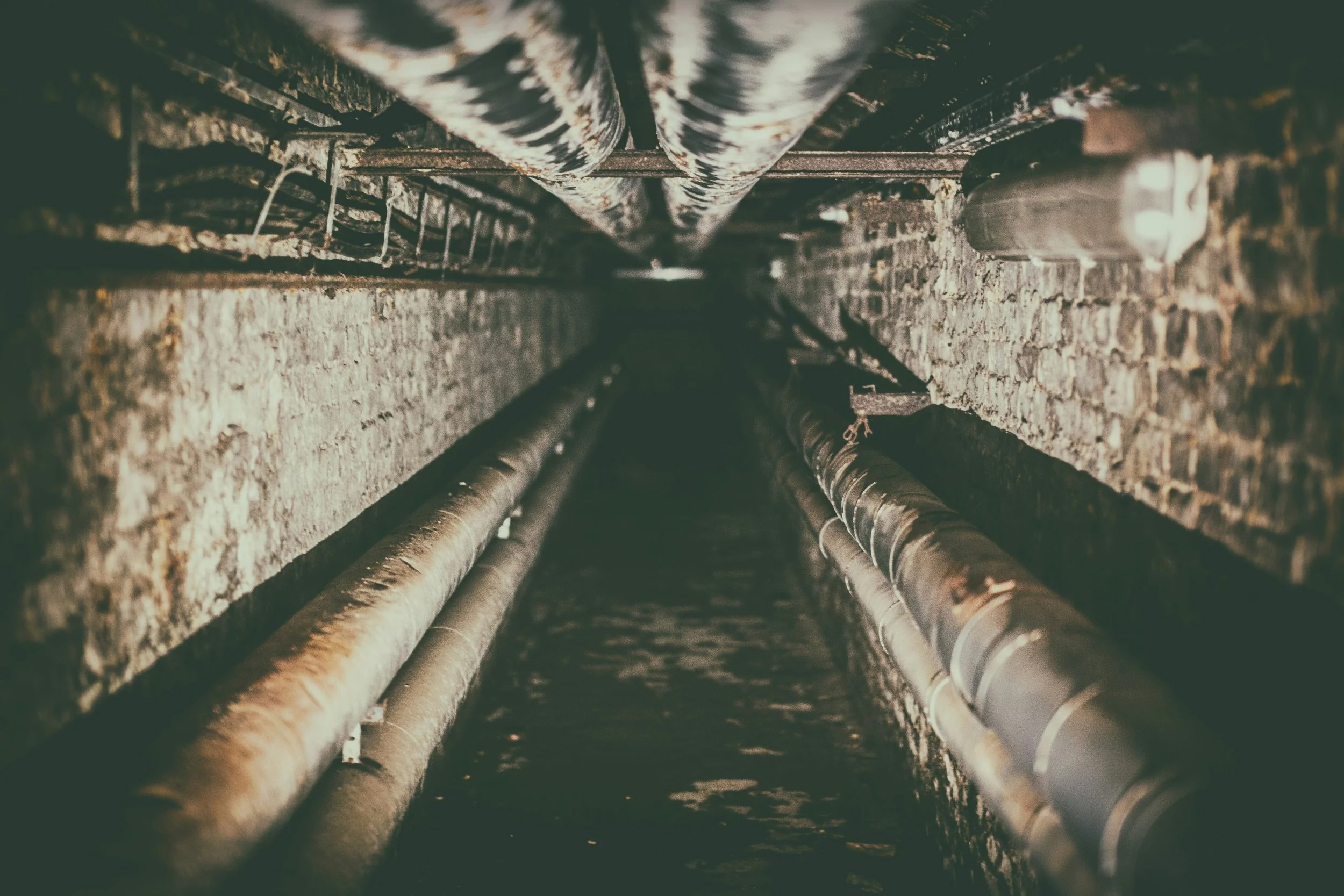
Inside a Sewer. Image by Denny Muller found on Unsplash

The smell of sewer gas in a building is more than just an unpleasant odor—it's a warning sign of a potentially serious health hazard. Understanding what sewer gas is, how it enters facilities, and how to prevent it is crucial for maintaining a safe and healthy environment.

What Causes Sewer Gas Odors?

The most common culprit for sewer gas odors being released into a facility is a dried-out P-trap (often mistakenly called a "J" or "U" pipe) located directly beneath drains.

  • The P-Trap's Role: The P-trap is a U-shaped plumbing fixture that holds a small pool of water. This water acts as a simple, effective water seal to block sewer gases from rising up through the drain and into the building.

  • The Problem: When a drain isn't used for an extended period, the water in the trap can evaporate, allowing the foul-smelling, and potentially harmful, sewer gases to escape.

A stark historical example highlights the danger: the 2003 SARS epidemic in Hong Kong was tragically spread through dried-out P-traps under floor drains, severely impacting the health of residents in an apartment building.

What is Sewer Gas? The Complex, Toxic Mixture

Sewer gas is a complex mixture of gases, pathogens, and compounds that originate from the decomposition of organic waste in sewage. Some of these components are toxic and can cause disease.

The primary and most dangerous components of sewer gas include:

  • Hydrogen Sulfide: A poisonous, corrosive, and flammable gas that often has the distinctive, offensive smell of rotten eggs.

  • Methane: A potent greenhouse gas believed to contribute to ozone layer depletion. While non-toxic, it displaces oxygen and is highly flammable.

  • Ammonia: A colorless gas with a sharp, strong odor. High concentrations can cause severe health issues, including blindness, and it can be deadly when mixed with other fumes.

  • Carbon Dioxide: Although widely used, when released from drains, elevated concentrations can be detrimental to human and animal health and harmful to the environment.

Health Symptoms of Sewer Gas Exposure

If sewer gas is present in a home or facility, occupants may experience a range of unwelcome health symptoms. These can vary depending on the concentration and duration of exposure:

  • Common Symptoms: Fatigue, headaches, nausea, and dizziness.

  • More Severe Symptoms: Memory loss, seizures, coma, and in extreme cases, death.

Simple and Effective Prevention Solutions

Thankfully, preventing sewer gases from entering your space is typically a straightforward task that involves maintaining that vital water seal in the P-traps.

1. Basic Maintenance

The simplest solution is to pour a small amount of water down all drains (sinks, showers, floor drains) at least once a week. This straightforward action replenishes the water in the P-trap, preventing it from drying out.

2. Long-Lasting Protection for Commercial Facilities

For a more practical and efficient method, especially in large facilities like schools, offices, and commercial buildings, consider using a specialized product like Everprime.

  • How it Works: By pouring a small amount (about 3 ounces) of EverprimeĀ® into all drains every few months, you create a consistent, long-lasting barrier against sewer gases.

  • Product Benefits: EverprimeĀ® is effective, inexpensive, biodegradable, and easy-to-use. It provides durable protection, offering peace of mind that your facility is continuously protected from dangerous sewer gases.

Maintaining an effective water seal is one of the most proactive ways to keep people safe and healthy in the facilities we use every day.

Klaus Reichardt is CEO and founder of Waterless Co., Inc., a pioneer in advancing water efficiency. Reichardt is a frequent author and presenter who discusses water conservation issues. He can be reached at klaus@waterless.com.

Educating Tomorrow's Water Stewards Today

Image: Classroom Kids by Yan Krukau found on Prexels

Many advocates for water efficiency and reducing water consumption believe that early education is a powerful tool for addressing the urgent water-related challenges, including water scarcity, that our planet is facing.

By teaching children about water-related issues from a young age, we can empower them to become informed, responsible citizens committed to protecting our planet's most precious resource. This can be achieved by integrating water education into various subjects, such as science, geography, and even art, making it a part of the regular curriculum.

Here's a Q&A that explores this further.

Q: Why is teaching children about water efficiency (long-term water conservation) so important?

A: Today's children, as tomorrow's decision-makers and leaders, have a crucial role to play in shaping a more sustainable future. By educating them about water scarcity and efficiency now, we empower them to make informed choices and contribute to a healthier planet.

Q: What's the biggest misconception children have about water?

A: Most children—and many adults—take water for granted. They assume it will always be there when they need it and rarely give it a second thought. Children typically don't know where their water comes from, how it's treated and distributed, or that four billion people worldwide experience at least one month per year with little to no water available.

Q: What are the key facts children need to learn about water?

A: Students need to understand five essential truths:

- Water is life itself—without it, we cease to exist

- Forty percent of the world's water is polluted and unusable, spreading diseases when used for cooking and bathing

- Water is a finite, precious resource that must be protected

- Droughts are becoming more frequent and longer-lasting in many parts of the world

- Solutions exist, and we can all take action to address water challenges

Q: What solutions should we teach children about?

It's crucial to show children that positive steps are being taken globally. These real-world solutions, such as water audits and efficient water use practices, the installation of waterless urinals in restrooms, alll demonstrate that we can all play a part in addressing water challenges.

Q: How does water education develop broader life skills?

A: Addressing water challenges requires problem-solving and critical thinking abilities. By teaching children about water issues early, we help them develop analytical skills they can apply to various complex challenges throughout their lives, not just environmental ones.