
The Connection Between Beer, Water, and Waterless Urinals

Image by ELEVATE found on Prexels

Recently, we posted an article (Cheers to Reuse…) about a California company brewing beer from highly purified, recycled water. Since then, our inbox has been flooded with questions about the water/beer connection. (Apparently, people take their beer research very seriously.)

One particularly enthusiastic learner even called our office to discuss this pressing matter. So, in the spirit of public service, here's a summary of the questions we've been fielding.

Might as well start with the big one: How Much Water is in Beer?

That frosty bottle you're cracking open is about 95 percent water. In a 12-oz beer, you're looking at 11.4 ounces of H2O and a mere 5 percent alcohol.

Is This The Same for a Pint of Beer?

Yep. Whether you're sipping from a bottle, can, or pint glass, it's still 95 percent water. Math doesn't change just because the container does.

Does Beer Hydrate You?

Despite being mostly water, beer is not your hydration hero. It's a diuretic. This leads us to the next question below.

Why Does Beer Send Me to the Bathroom Every Five Minutes?

Let's recap: Beer is 95 percent water and a diuretic. Add those together, and congratulations—you're now best friends with the nearest bathroom.

Will Beer Still Quench My Thirst?

Sure! One or two beers on a hot day while you're mowing the lawn. Yup! Refreshing. You bet!  But knock back several (or reach for the high Alcohol by Volume stuff), and you'll ironically end up more thirsty and chugging water like a desert wanderer.

If I Make My Own Beer, Should I Use the Same Amount of Water?

Homebrewers, listen up: You'll need more water because the "wort" (that's unfermented beer—basically beer's awkward teenage phase) must boil forever to develop flavor. Boiling converts starches into sugar, giving beer its flavor.

Because Beer Contains So Much Water, Does That Make it Safer to Drink?

The Mayo Clinic says nope. Any amount of alcohol carries some health risks. The risk is low for moderate drinking, but it climbs faster than your tab at happy hour. This applies to all booze, beer included.

Some Runners Swear Beer with Electrolytes Improves Their Performance. True?

Ah yes, the age-old myth. Some athletes claim electrolyte-infused beer boosts performance and speeds recovery. Experts, however, say any alcohol will dehydrate you, potentially leaving you with post-workout headaches and nausea. Maybe save the victory beer for later.

Why is the CEO of Waterless Co., Inc. Even Talking About Beer?

Excellent question. We have zero opinions on beer itself (okay, maybe a jolly few). What does interest us is that a California company is brewing beer from recycled water. It's yet another example of how technology—like our beloved waterless urinals—helps us use water more responsibly and efficiently.

The Future Doesn't Flush – Clean and Hygienic Waterless No-Flush™ Urinals
What Users Really Think About Waterless Urinals

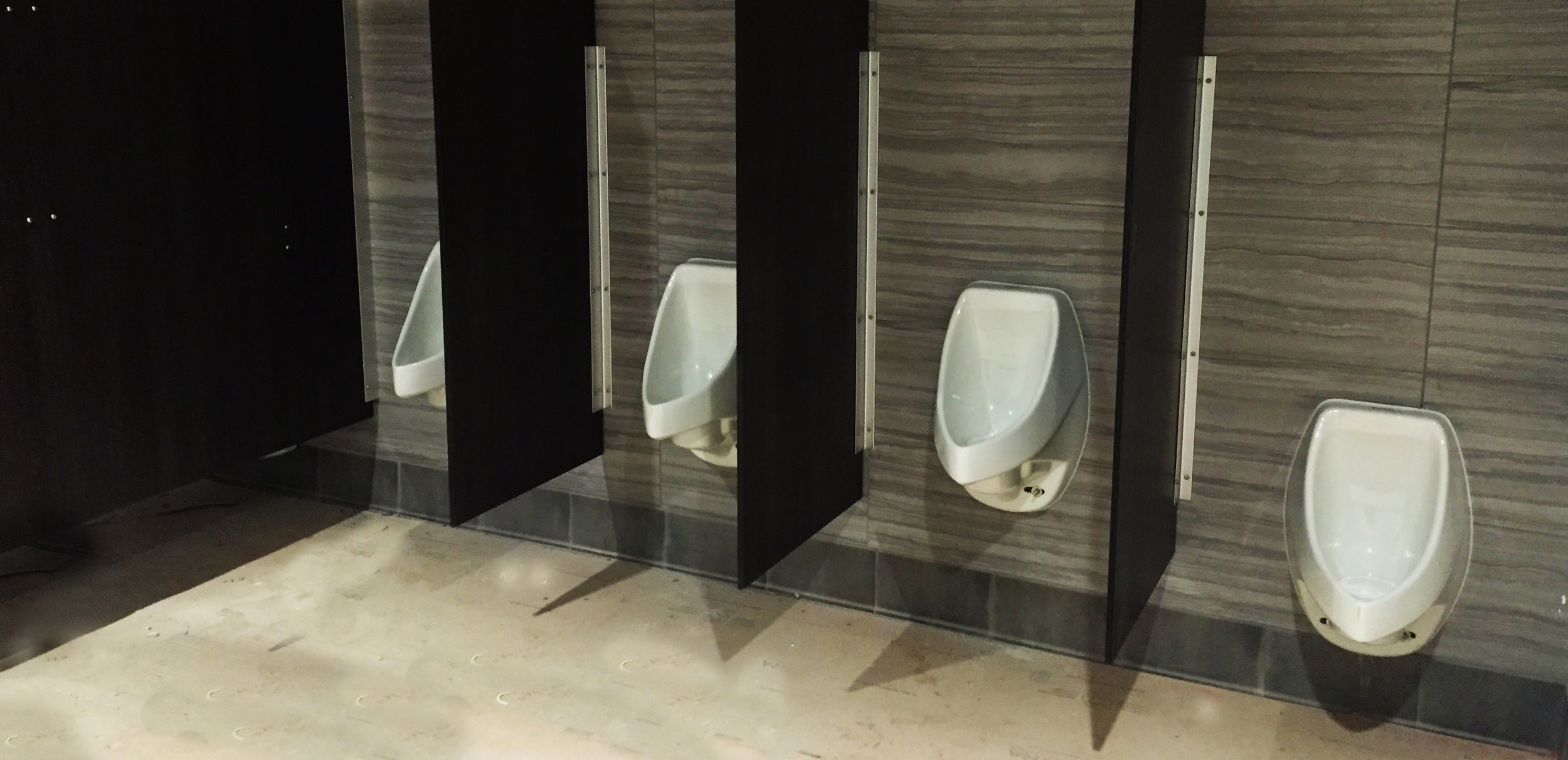
Waterless Urinals: What Users Really Think

As waterless urinal installations surge nationwide, we surveyed men about their experiences. Their responses reveal some surprising shifts in perception.

Where did you first encounter a waterless urinal? Most respondents first used one at a restaurant, If not, it was at a school or university, followed by airports and office buildings.

What was your first reaction? At first there was a bit of confusion or uncertainty because there were no flush valves. After the first use, this concern dissipated.

Did you expect any problems before your first use? Yes. Many assumed waterless urinals would have odor issues, while others questioned whether urinals could function properly without water.

After using one, do you still have those concerns? No. Most users reported that their initial worries about odors proved unfounded.

Is instructional signage necessary? The overwhelming response was no. Users found waterless urinals intuitive enough to use without guidance.

How would you describe the overall experience? Straightforward and unremarkable—in a good way. Most men said using a waterless urinal was just like using a conventional one, with nothing notable to report.

For frequent users: How do they compare to conventional urinals in terms of cleanliness? Many users highlighted an unexpected benefit: they appreciated the absence of water splatter. And most men viewed waterless urinals as a sign of the facility owner's commitment to water conservation—a positive first impression.

Were you aware that waterless urinals save approximately 26,000+ gallons of water annually per fixture? Most respondents were unaware of the significant water savings.

Did you know waterless urinals typically cost less to purchase and install than conventional or low-flow models? No—this came as a surprise to most survey participants.

In what types of facilities do you think waterless urinals should be installed? Restaurants, airports and convention centers were mentioned the most because they can get so busy. Also mentioned were schools, especially elementary schools.

Should more buildings install waterless urinals? Yes, particularly in water-scarce regions, though support was strong across the board.


The Future Doesn't Flush – Clean and Hygienic Waterless No-Flush™ Urinals
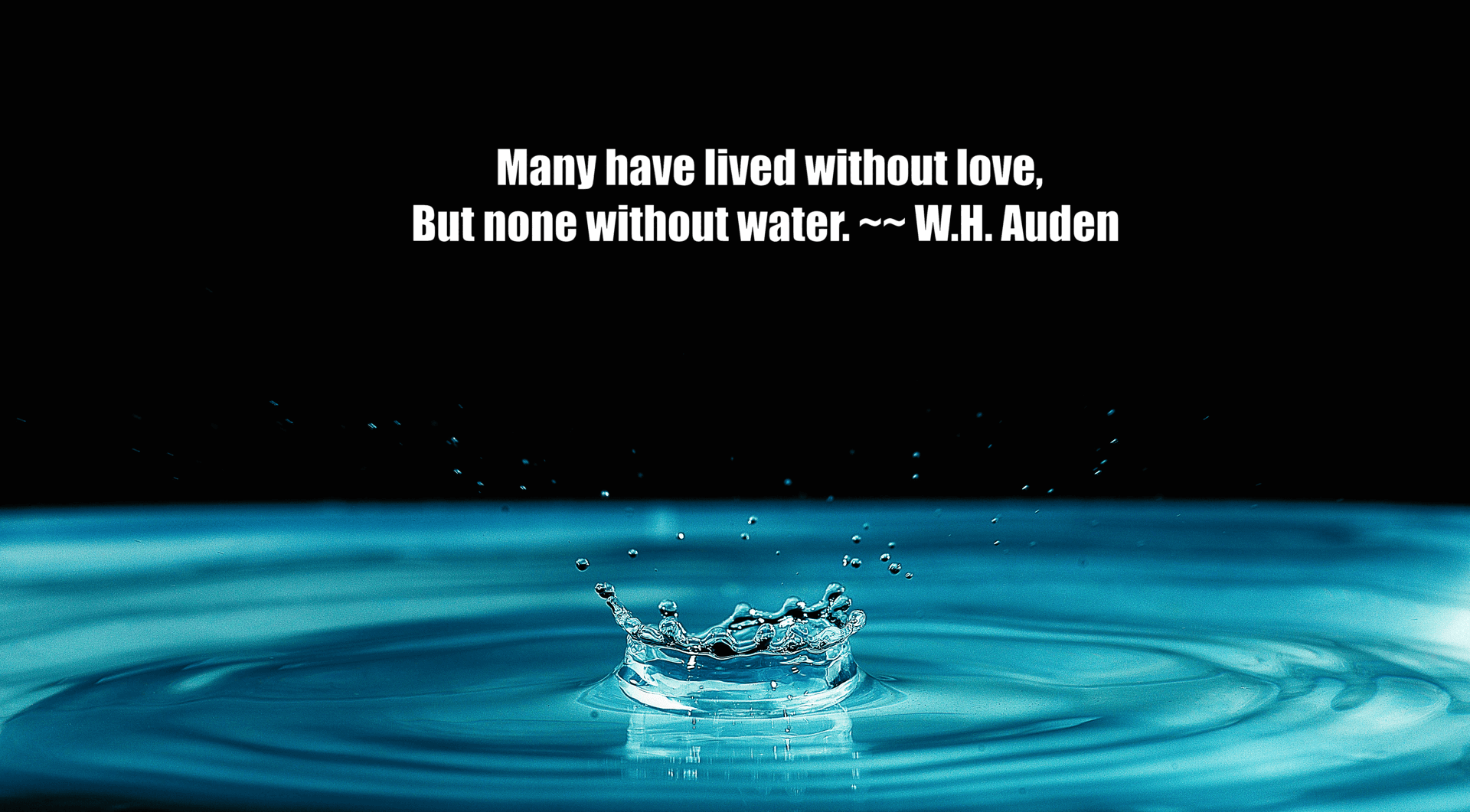
 

Why Water-Efficient Homes Are "The" Real Estate Trend of 2026

As water costs rise and shortages loom, smart home buyers are changing their purchasing criteria. Recent data from Realtor.com reveals a 290% increase in property listings that feature water-saving technology—but this trend is more than just saving water - it’s about security.

The rapid construction of AI data centers nationwide is projected to dramatically increase water consumption. This surge threatens to overwhelm local communities, resulting in potential water scarcity and spiking utility bills for residents.

So, is water efficiency – the long-term reduction in water consumption - the new standard for purchasing and to maintain a homes value? We explored this growing demand with Klaus Reichardt, CEO of Waterless Co., Inc. Having written about water efficiency for more than 35 years, Reichardt explains why buyers are clamoring for more water efficient homes.

Q: Klaus, could you first tell us a bit more about yourself and Waterless Co., Inc.?

A: I attended Pepperdine University in Southern California, where I observed firsthand California's dramatic water fluctuations—swinging unpredictably between severe droughts and floods. While these swings seemed random, the larger trend was clear: California was becoming progressively drier even as its population and industry were growing rapidly.

This contradiction made me realize we needed to either use water far more efficiently or eliminate water use entirely in certain applications. That's when I invented waterless urinals as a solution. Each waterless urinal saves approximately 35,000 gallons of water per year—and I believe few technologies can match this level of water reduction and efficiency.

Q: Are you surprised that homebuyers are placing much more emphasis on selecting water-efficient homes?

Not at all. This pattern echoes what happened during the 1970s oil crisis, when homeowners and commercial property owners first realized how energy-inefficient their buildings were. At the time, many homes—especially in the western United States—had minimal insulation. The prevailing attitude was simple: if it was hot, use more air conditioning; if it was cold, turn up the furnace. But as energy costs rose, this approach became unsustainable.

Just as buyers soon prioritized better-insulated homes to control energy costs, we now see a similar pattern with water efficiency—as water becomes scarcer and more expensive, homebuyers are seeking out residences that use less of it.

Q: You believe reducing costs and saving money is a key reason why homebuyers want more water-efficient homes?

A: Absolutely. This is basic economics: as demand for water increases or supply decreases, prices rise. We're already seeing this happen. With new pressures on water supplies—such as the massive water needs of AI data centers—combined with ongoing shortages in many regions, water costs are increasing dramatically. And this trend will only accelerate.

Homebuyers increasingly recognize that water-efficient homes can protect them from rising costs, making water efficiency both an environmental consideration and a smart financial decision.

Q: Are there other reasons why homeowners want more water-efficient homes?

Yes, though at the core are water efficiency and cost savings. Yet, there are other important drivers:

Sustainability: While not as dominant an issue as it was a few years ago, it remains a significant factor. Many people want to use water and other resources responsibly to ensure they remain available for future generations.

Lifestyle choice: Younger buyers especially prioritize reducing energy and water consumption, minimizing waste, and living more efficiently. These values are core to their identity and play a major role in their purchasing decisions.

Smart financial investment: Homebuyers increasingly view water- and energy-efficient homes as investments that will appreciate more strongly over time, protecting and increasing their home's future value.

Q: How is the surge in water-efficient fixtures in homes impacting your business?

A: For years, we witnessed slow but steady demand for waterless urinals in homes. But recently, that demand has increased far beyond our expectations. The installation of waterless urinals in homes has almost become a trend in itself—they've "caught on" among architects, home designers, and buyers.

Because they dramatically reduce water consumption, we're finding that homeowners are proud to showcase them as a feature of their homes. This is a significant shift. A decade ago, waterless urinals were still considered unconventional for residential use. Today, they're increasingly seen as a desirable, forward-thinking choice.


The Future Doesn't Flush – Clean and Hygienic Waterless No-Flush™ Urinals
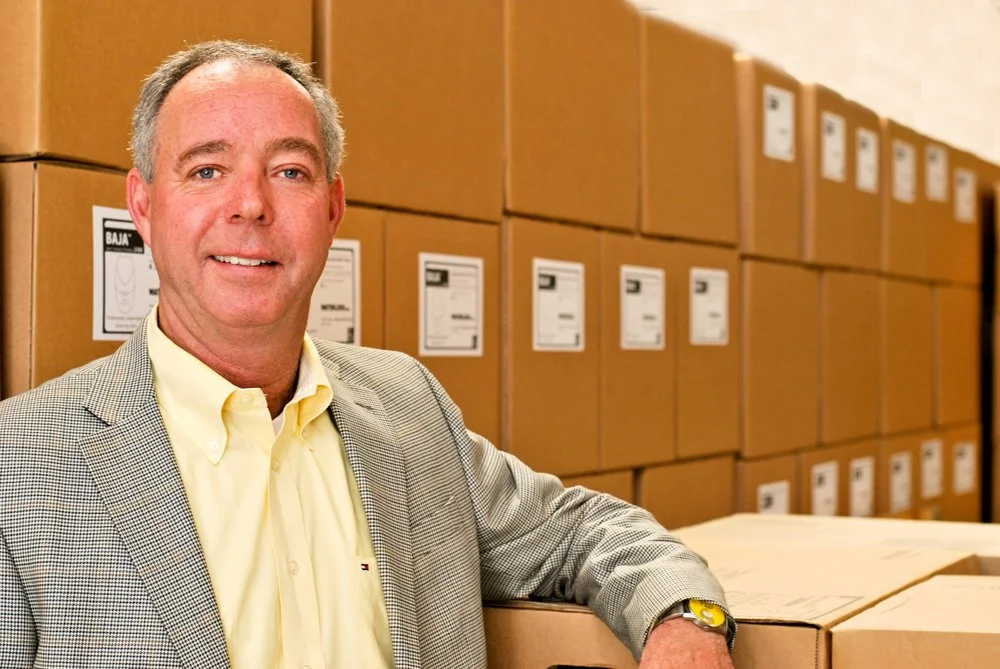
NEWS: AI's Thirst for Water: A Looming Crisis for the Cleaning Industry

VISTA, CA – January 12, 2026 – The explosive growth of artificial intelligence data centers is about to hit the professional cleaning industry with a potential water scarcity crisis that few saw coming just two or three years ago.

"The industry hasn't felt the squeeze yet because most of these data centers are still on the drawing board or under construction," suggests Klaus Reichardt, CEO and Founder of Waterless No-Flush Urinals, Inc. "But that's about to change—and fast."

The numbers are staggering. A single data center can consume millions of gallons of water daily just to cool its microchips and equipment. This unprecedented demand is already straining water utilities, crumbling infrastructure, and sending water costs skyrocketing nationwide.

No Region Is Safe

Texas, Utah, Arizona, and California face the most immediate impact, according to Reichardt. "But make no mistake, this is a national problem. Illinois, Ohio, Kentucky, Michigan, and Indiana alone have nearly 600 data centers either planned or already operational."

Where Cleaning Devours Water

Robert Kravitz, a veteran building service contractor, identifies the industry's biggest water users:

  • Restroom and locker room maintenance

  • Carpet extraction cleaning

  • Hard floor cleaning with autoscrubbers

  • Laundering towels, uniforms, mop heads, and cleaning cloths

  • Mop sink operations

  • Hose-downs of walkways, floors, and dock areas

"And then there's waste," Kravitz adds. "Workers over-diluting chemicals, excessive bucket refills, taps left running in janitorial closets. These seemingly minor habits compound into massive water consumption."

Fighting Back: Solutions That Work

Both experts emphasize that the cleaning industry should act now to address current and future water challenges. Critical strategies include:

  • Delay extraction cleaning: Use dry carpet cleaning methods two or three times before resorting to water-intensive extraction

  • Eliminate hosing: Phase out the practice of hosing down indoor and outdoor surfaces

  • Upgrade equipment: Invest in next-generation autoscrubbers that optimize dilution and recycle water

  • Switch to microfiber: These cleaning cloths and mop heads reduce water usage

  • Guide customers: Help clients select water-efficient toilets, faucets, and waterless urinals

  • Market water efficiency: Develop comprehensive water reduction programs and make them central to your bid proposals and brand

"This last point is critical," Reichardt emphasizes. "Green cleaning was the industry's rallying cry twenty years ago. Today, it’s water efficiency – the long-term reduction in water consumption."

For more information about Waterless urinals and water-efficiency solutions, visit www.waterless.com or contact sales@waterless.com

About Waterless
Founded in 1991 and headquartered in Vista, California, Waterless Co., Inc. is the leading innovator in water-efficiency solutions for commercial and residential applications. The company pioneered waterless urinal technology and continues to develop cutting-edge products that help facilities dramatically reduce water consumption and operating costs. Waterless' complete product line includes no-flush urinals, liquid plumbing solutions, and water-saving accessories—all designed with sustainability, performance, and practical innovation at their core.

Contact Information

Waterless Co., Inc.
1050 Joshua Way
Vista, CA 92081 USA
Phone: 800.244.6364
Email: sales@waterless.com
Web: www.waterless.com

Why Facility Managers Are Switching to Waterless Urinals for Water Efficiency & Savings

Image found on Prexels from Mart Productions

Below, we discover why facility managers are switching to waterless urinals. Learn how this upgrade saves millions of gallons of water, cuts utility costs, and boosts LEED scores.

For facility managers in commercial real estate, education, and healthcare, the pressure is on. There is a growing demand to simultaneously reduce water usage, trim utility expenses, and meet increasingly stringent environmental compliance standards.

While many look to complex HVAC overhauls or solar integrations, savvy managers are turning to a high-impact, often-overlooked fixture: the urinal.

The shift toward waterless urinals is gaining significant momentum. This technology represents more than a minor tweak—it is a transformational change that lowers operating costs, enhances water efficiency, and immediately improves a facility’s sustainability profile.

The ROI of Water Efficiency

The most immediate benefit of switching to waterless technology is the sheer volume of water reduction

According to the Environmental Protection Agency (EPA), replacing a single conventional urinal with a waterless unit saves approximately 26,000 gallons of water annually.

To put that into perspective for a larger facility:

  • 1 Urinal: 26,000 gallons saved.

  • 50 Urinals: 1.3 million gallons saved per year.

Note: 1.3 million gallons is enough to fill two Olympic-sized swimming pools. This massive reduction in water usage translates directly to lower utility bills and a smaller environmental footprint.

Operational & Ecological Advantages

The benefits of waterless urinals extend far beyond the water meter. By eliminating the flush, facilities unlock several downstream operational efficiencies.

1. Energy Reduction

Traditional urinals require significant energy to pump water to the facility, treat it, and pump it away as wastewater. By eliminating flushing, facilities reduce their total energy footprint and decrease the volume of wastewater entering municipal treatment systems. This lowers the chemical and energy demands required to process sewage.

2. Enhanced Hygiene and Maintenance

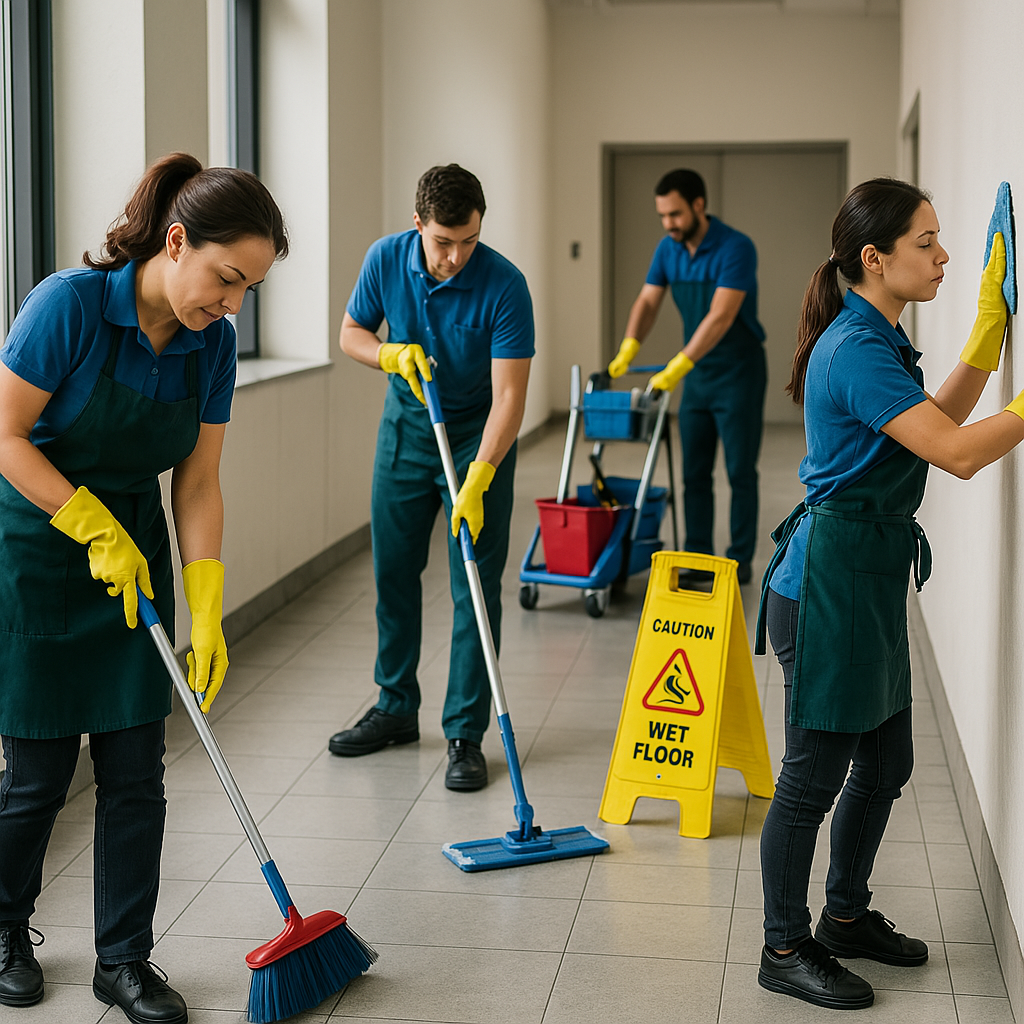
Custodial teams often report significant workflow improvements after the switch.

  • Fewer Chemicals: Waterless urinals typically require only simple all-purpose cleaners, eliminating the need for harsh chemicals used to combat scale and calcium buildup in flush units.

  • Odor Control: With no standing water, dry surfaces inhibit bacterial growth and biofilm buildup. This naturally reduces odors and creates a more hygienic restroom environment.

Boosting Green Building Credentials (LEED & WELL)

In today’s market, green certifications influence tenant leases, investor interest, and even insurance assessments. Waterless urinal technology aligns directly with the goals of major green building certifications.

Installing these units is a low-barrier strategy to support certification goals without major capital investment, contributing to:

  • LEED v5: Points under the Indoor Water Use Reduction credit.

  • WELL Building Standard: Credits within the Water Concept for Health and Sustainability.

The Future of Restroom Efficiency

With shifting climate conditions and rising building performance standards, the demand for scalable water-saving technologies is no longer a trend—it is a necessity.

As Klaus Reichardt, CEO and founder of Waterless Co., Inc., puts it:

"We’re at the point today where every gallon saved is a gain for the environment and our planet."

For facility managers looking for a win-win in cost reduction and environmental stewardship, the waterless urinal is a clear choice.

 The Future Doesn't Flush – Clean and Hygienic Waterless No-Flush™ Urinals
Let's Test Your Knowledge About Water Efficency

Q: What is water efficiency and why is it important in 2026?

A: Water efficiency means using water responsibly to achieve goals—like cleaning, growing food, personal hygiene, or manufacturing—while minimizing waste and reducing strain on water supplies.

As we move through 2026, water efficiency has evolved from a simple preference to a critical component of sustainable water management. It is essential for addressing population growth, a changing climate, and the growth of business and industry.

Q: What's the difference between water efficiency and water conservation?

A: Modern water efficiency is about smart usage, not restriction. Unlike water conservation (which often involves temporarily cutting back usage), water efficiency focuses on technologies and processes to deliver the same or better results with less water permanently.

Q: What are some practical examples of water efficiency?

A: Examples of efficiency in practice include:

  • Smart Infrastructure: Detecting and fixing leaks to reduce system losses in urban water supplies.

  • High-Performance Fixtures: Installing toilets, faucets, waterless urinals, and washing machines designed to consume less water, or eliminate water consumption entirely, without sacrificing performance.

  • Precision Agriculture: Using advanced irrigation systems that increase crop yields per unit of water used.

Q: Want to learn more?

A: https://www.linkedin.com/pulse/what-water-efficiency-2026-klaus-reichardt--umkhc/

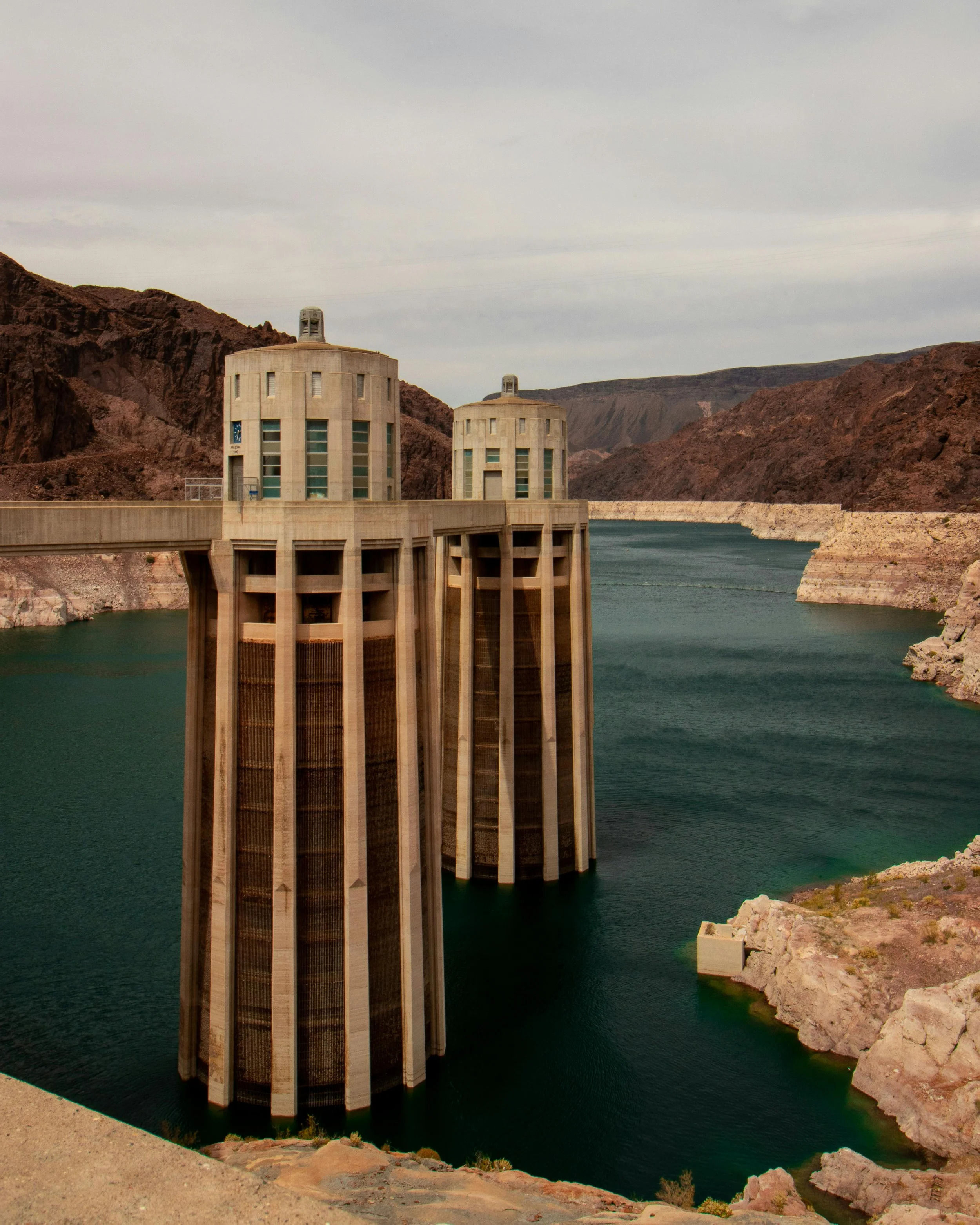
Image: Department of Water Management, City of Chicago

💧 5 States Facing Critical Water Shortages as AI Data Centers Multiply

data center

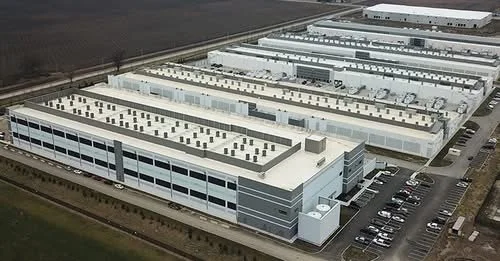
Data Center in Indiana: Indiana University

States that welcomed AI data centers with open arms now confront a harsh reality: their water supplies can’t keep pace.

The problem is simple but severe. These facilities consume enormous volumes of water to cool their operations—primarily the processors that power AI chips. While some states were already water-stressed before data centers arrived, other regions now face a different crisis: inadequate water infrastructure, limited water storage capacity, and insufficient groundwater to meet surging demand.

What looked like an economic opportunity just a short time ago, may become – if we are not careful - a looming resource crisis.
Below are the five U.S. states most vulnerable to water shortages caused by AI Data Centers.

1.    Texas faces severe water challenges ahead. The state’s data centers already consume over 50 billion gallons of water annually, with individual facilities using as much as 4.5 million gallons per day. This strain comes as parts of Texas struggle with unreliable water access, recurring droughts, and aging water infrastructure.

2.    Arizona’s water crisis has reached a critical point. The state depends heavily on underground aquifers that are depleting rapidly. At the same time, population growth has led developers to demand more water for new commercial and residential projects. Meanwhile, AI companies argue that Arizona is ideal for data centers because solar power can reduce energy costs and water consumption. However, with groundwater reserves shrinking and persistent water shortages, the state faces an uncertain future when it comes to developing these data centers.

3.    New Mexico has advantages over Texas and Arizona due to its smaller population and slower growth rate. However, AI data center developers have recently targeted the state for expansion. State lawmakers are concerned because New Mexico’s water system is fragile and the state has limited funding for new water infrastructure. As a result, proposed data center projects face intense scrutiny from regulators.

4.    Utah is a growing data center hub, but faces limited water sources, recurring droughts, and a shrinking Great Salt Lake due to droughts—suggesting data center expansion may soon be unsustainable.

5.    California already hosts numerous large data centers, but the state swings between climate extremes: torrential floods such as occurring now, the start of 2026 and severe drought the next. This boom-bust water cycle repeats every few years, creating dangerous unpredictability.
With data centers consuming millions of gallons daily, the state’s volatile climate makes long-term water planning nearly impossible.
🧭 Big Picture
The challenge is real but solvable. Meeting the water needs of AI data centers, businesses, agriculture, and residents doesn’t require us to choose winners and losers — it requires us to use water smartly and more efficiently.
Water efficiency refers to long-term reductions through smarter use: consuming water only when and where truly needed, eliminating water waste at every point, and deploying technologies such as waterless urinals that do not need water at all.


The path forward:
For policymakers: Enact clear water efficiency standards for all new data centers and create strong incentives for upgrading older facilities to reduce water usage.
For tech companies: Invest in advanced cooling technologies, such as liquid immersion cooling and air-cooling systems, to dramatically reduce water consumption.
For communities: Support and seek funding for infrastructure improvements to prevent water loss and ensure adequate storage capacity for future demand.
For all of us: Explore new ways to reduce or eliminate water consumption. The U.S. can meet this challenge—but only if we act now, together, before water scarcity forces very difficult choices.

-Klaus

Three Powerful Ways to Use Water More Efficiently in 2026

water efficiency

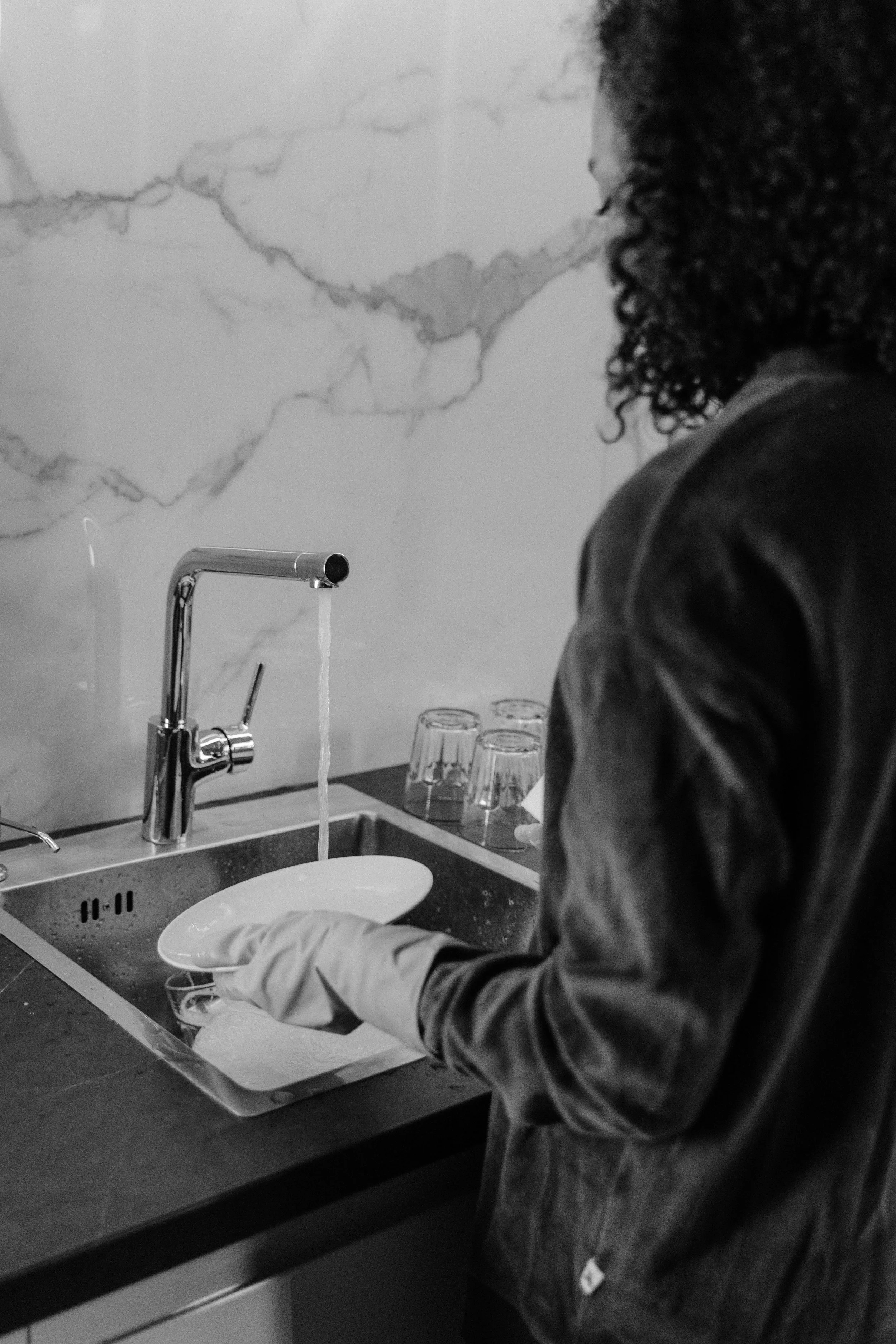
Image by Tima Miroshnichenko found on Prexels

It’s not rocket science. Here are three simple, high‑impact ways to use water more efficiently in 2026:

  1. Fix leaks

  2. Upgrade to water efficient fixtures and install waterless urinals

  3. Change a few daily habits like shorter showers and smarter outdoor watering.

These are inexpensive or free, work in any home or commercial building, and are strongly recommended by major water agencies.

1.    Fix leaks quickly

  • Check for and repair dripping faucets, running toilets and urinals, and leaking hoses; even a slow drip can waste hundreds of gallons per year.

  • A simple toilet dye test (food coloring in the tank to see if it seeps into the bowl) helps spot silent leaks that often go unnoticed.

2.    Install efficient fixtures

  • Install low‑flow showerheads and faucet aerators; WaterSense‑labeled models cut flow while maintaining pressure and can save thousands of gallons yearly.

  • If possible, use high‑efficiency or dual‑flush toilets or inexpensive displacement devices in older tanks to reduce water per flush.

  • Switch-out old urinals for new waterless urinals to save up to 35,000 gallons of water per urinal per year.

3.    Change everyday habits

  • Take shorter showers (around five minutes) or use a “stop‑start” method: wet, turn off water to soap/shave, then rinse, which can cut shower use dramatically.

  • Outdoors, irrigate lawns or gardens early morning/evening, avoid watering pavement, and consider drip irrigation or smart controllers to

The Future Doesn't Flush – Clean and Hygienic Waterless No-Flush™ Urinals