The Eco-Friendly Urinal: How a Chicago Architect Saved 35,000 Gallons of Water

Image by Engina Kyrut found on Prexels

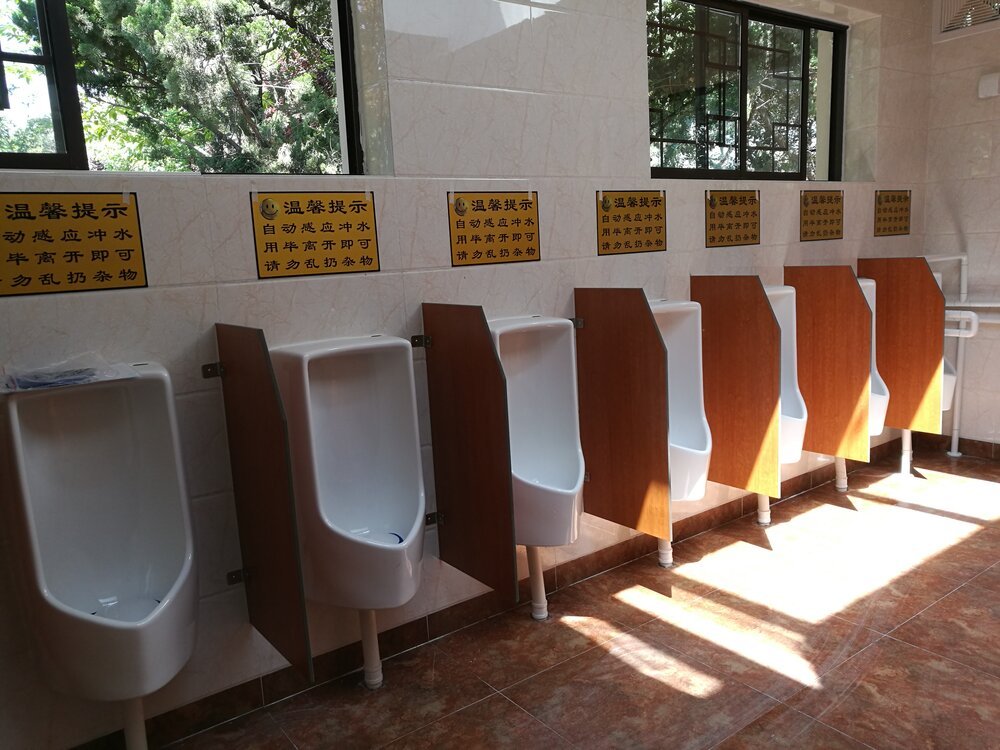
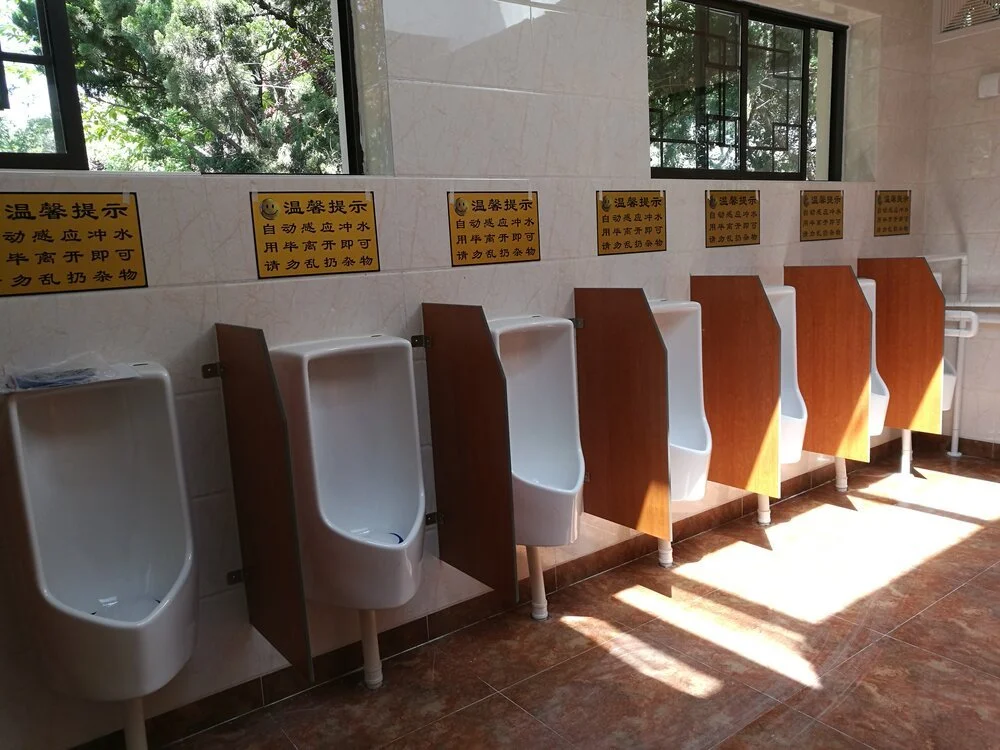
When a "tree-hugging" client threatened to use his backyard as a bathroom to save water, Chicago architect Rachel Wray Thompson found a more civilized—and sustainable—solution. By integrating a waterless urinal into a residential design, she helped a single household conserve over 35,000 gallons of water per year.

The Challenge: Outdoor "Business" vs. Indoor Conservation

The client’s ultimatum was simple: avoid wasting water on flushes or take the "call of nature" literally. Thompson, known for her commitment to green building, pivoted from traditional plumbing to the Waterless Urinal.

Unlike standard fixtures, these models use a high-tech trap system:

  • The Trap Liquid: A sealant (like BlueSeal) sits at the base of the unit.

  • The Physics: Since the liquid is less dense than urine, the waste sinks through while the sealant stays on top.

  • The Result: A 100% water-free process that acts as an odor-blocking barrier, keeping the home fresh without a single drop of water.

The Impact: Why Every Drop Counts

The environmental math behind this "dry spell" is staggering. For a household with two males using the fixture regularly, the savings look like this:

Metric Annual Savings

Flushes Saved: ~ 2,000 flushes

Water Conserved: ~ 35,000+ Gallons

Hygiene Level: Improved (dry bowls discourage bacteria growth)

A Growing Trend in Green Architecture

What began as a quirky request to save a Chicago lawn has become a signature move in Thompson's sustainable portfolio. These fixtures are cost-effective, easy to install, and significantly lower monthly utility bills.

"I’m honestly surprised we don’t see them in more homes!" says Thompson.

The takeaway? You don’t have to head to the backyard to be an eco-warrior. By rethinking indoor plumbing, homeowners can make a massive environmental impact without sacrificing luxury or privacy.

Learn More: https://www.linkedin.com/pulse/call-nature-vs-great-outdoors-how-chicago-architect-reichardt--cfrxc

How AI Data Centers Impact Facility Management: Key Challenges & Strategies

Image by Brett Sayles found on Prexels

The rapid expansion of AI-driven data centers—now exceeding 300 in Canada alone—is placing unprecedented strain on local infrastructure. For facility managers (FMs), this shift creates significant operational hurdles in three primary areas:

1. Electrical Demand & Grid Pressure

A single data center can consume as much power as 1,000 homes. This massive draw often leads to:

  • Time-of-Use Pricing: Higher electricity costs during peak windows (11 a.m. – 2 p.m.).

  • Peak-Load Management: Potential power limitations that can delay building upgrades or construction.

2. Rising Water Costs

Data center cooling requires millions of gallons of water. Since facilities rarely fund their own infrastructure upgrades, municipal rates often rise for everyone. FMs are increasingly adopting water-efficient technologies—such as high-efficiency 1.28-gallon toilets and waterless urinals—to offset these climbing utility bills.

3. New Regulatory Hurdles

To manage the impact of data centers, municipalities are introducing:

  • Zoning & Noise Rules: Addressing cooling systems that can reach 105 decibels (comparable to a jet engine).

  • Usage Restrictions: Daily limits on water and energy consumption, regardless of weather conditions.

Action Plan for Facility Managers

  • Benchmark Now: Establish baseline metrics for energy and water use to track future efficiency gains.

  • Implement Sub-metering: Monitor specific zones to identify and eliminate waste.

  • Audit Mechanical Systems: Evaluate lighting, HVAC, and restroom fixtures for modern efficiency standards.

  • Scenario Planning: Prepare protocols for adjusting operations during high-cost peak-load periods.

The Bottom Line: As AI becomes foundational to the global economy by 2026, proactive planning is essential. FMs who adapt their infrastructure now will be better positioned to manage costs and ensure long-term operational resilience.

Learn more about the challenges here: https://bit.ly/4sLnc6l

The Pros and Cons of Waterless Urinals: A Complete Guide for Facility Managers

As the oldest marketer of no-water urinals in the United States, Waterless Co. Inc. possesses a unique perspective on the evolution of restroom technology. For building owners and managers considering a transition to sustainable restroom solutions, understanding the practical benefits and challenges is essential.

Below, we break down the pros and cons of waterless urinals to help you make an informed decision for your facility.

The Pros of Waterless Urinals

1. Significant Water Savings

The primary driver for switching to waterless technology is water savings. In most commercial buildings, restrooms account for the highest percentage of water consumption.

  • The Impact: While savings vary based on foot traffic, but a single waterless urinal can save between 30,000 and 40,000 gallons of water per year.

  • The Bottom Line: This drastically reduces utility bills and helps buildings meet LEED certification and other green building standards.

2. Lower Maintenance Costs

Traditional urinals are prone to mechanical failure. Whether manual or sensor-operated, flush valves and handles are the most frequently repaired parts in a restroom.

  • Eliminating Moving Parts: No-water urinals have no flush handles to break or sensors to malfunction.

  • Reduced Clogging: Contrary to popular belief, pipe encrustation is often caused by the chemical reaction between water and urine. Without water, "urea stone" builds up much slower, leading to fewer plumbing emergencies.

3. Improved Restroom Hygiene

Waterless urinals are more sanitary than traditional flush models.

  • No "Plume" Effect: Flushing a traditional urinal creates a "mist" of airborne pathogens that can settle on surfaces. Waterless systems eliminate this aerosolization.

  • Bacteria Control: Bacteria require moisture to thrive. By keeping the urinal surface dry, you create a hostile environment for germ growth.

  • Touchless Operation: With no handle to touch, the risk of cross-contamination is significantly lowered.

4. Superior Odor Control

Odors in restrooms are typically caused by bacteria interacting with water. Because waterless urinals stay dry, bacterial growth is stunted. Our system utilizes a EcoTrap® cylinder and specialized sealant that acts as a vapor barrier, preventing sewer gases from entering the restroom.

The Cons of Waterless Urinals

1. Initial User & Staff Resistance

While "waterless" is no longer a foreign concept, some users still have misconceptions about cleanliness.

  • The Fix: Education is key. Once users understand the environmental impact, resistance usually vanishes.

  • Maintenance Training: Some janitorial staff may be hesitant to replace the internal cylinders. However, modern designs include specialized tools that make the replacement process quick, clean, and ergonomic.

2. Retrofit Challenges

Replacing an old fixture isn't always a "plug-and-play" situation.

  • Drainage Height: In about 50% of retrofits, the drainpipe may need to be lowered to meet ADA mounting heights.

  • ROI Factor: While there is an upfront cost to re-piping, the Return on Investment (ROI) from water savings usually covers these costs within the first year or two.

3. Building Codes and Approvals

Historically, some jurisdictions were slow to adopt waterless technology.

  • Current Status: This is largely a thing of the past. Even in strict states like California and Texas, waterless urinals are now not only permitted but often encouraged through tax rebates and water credits.

4. Specialized Cleaning Requirements

You cannot clean a waterless urinal exactly like a flush urinal.

  • Avoid Excess Water: Dumping large buckets of water down the drain can flush out the trap sealant.

  • Specific Cleaners: It is vital to use only pH-neutral cleaners that won't damage the trap or sealant. Harsh cleaning chemicals, often used in conventional urinals, should not be used in no-water urinals.

Is a Waterless System Right for Your Building?

The shift toward sustainable, low-maintenance restrooms is more than just a trend—it’s a long-term cost-saving strategy. If you are looking to reduce your environmental footprint and decrease maintenance overhead, waterless urinals are a proven solution.

Ready to upgrade? Contact a Waterless Co. representative today to find the best fit for your facility.

Growth in the Waterless Urinal Market

Image by Markus Wrinkler found on Prexels

Waterless urinals were first introduced to North America in 1991 by Waterless Co., Inc. Although the industry has seen its share of fluctuations over the decades, the long-term trend is clear: more commercial facilities and homes are installing waterless urinals than ever before.

But what exactly is driving this steady market growth? Several key factors are pushing organizations toward waterless technology.

Key Drivers of Waterless Urinal Adoption

  • Growing Water Scarcity: Companies and institutions are actively seeking ways to reduce water consumption and wastewater output. Installing waterless urinals drastically improves water efficiency, translating into significant, long-term conservation. This is particularly crucial in water-stressed regions.

  • Substantial Cost Savings: When facilities like schools or office buildings make the switch, managers report a noticeable drop in water utility bills. Furthermore, because these systems have fewer moving parts, restroom maintenance and repair costs are greatly reduced, making them a highly attractive alternative to traditional flush urinals.

  • Green Building Standards: Sustainable building certifications and programs, such as LEED, continue to encourage the adoption of waterless fixtures. Because water efficiency is a core scoring criterion, these systems are an easy way to earn points toward certification.

  • Corporate ESG Goals: While Environmental, Social, and Governance (ESG) initiatives may not dominate the headlines as they did a few years ago, they remain a top priority for investors. Strong ESG practices are viewed as an indicator of how well an organization manages risk and adapts to future challenges.

  • Simplified Restroom Maintenance: Waterless systems offer a simpler cleaning process compared to conventional flush urinals. Over the past thirty years, best practices have evolved alongside improvements in technology. As long as cleaning professionals adhere to specific, simple procedures, these fixtures remain odor-free and operate at peak efficiency.

  • High Commercial and Institutional Demand: High-traffic locations—including offices, malls, schools, parks, convention centers, and transit hubs—are the primary drivers of the waterless urinal market. In these facilities, the emphasis on reducing heavy operating costs is paramount.

What Matters Most for the Future

In the past, the strongest demand for waterless urinals stemmed from new green construction projects where sustainability benefits were easiest to justify upfront.

However, recent market analyses show a shift. Today, direct water scarcity challenges and the lower total cost of ownership have emerged as the primary growth drivers for this technology.

Looking ahead, continued innovation, stricter government regulations, and growing public awareness regarding conservation will only accelerate this adoption. As commercial infrastructure ages and municipal water costs continue to rise, waterless urinals are increasingly positioned as the most practical, scalable solution for long-term water efficiency.

Southwest Florida Facing New Water Restrictions

Image by Ed Rogers found on Prexels

Southwest Florida is implementing mandatory water restrictions under a Modified Phase III Water Shortage due to ongoing drought conditions.

The rules take effect April 3 through July 1, 2026, impacting multiple counties across the region.  

Key Conservation Measures

Outdoor water use is heavily limited, with lawn irrigation generally restricted to once per week during specific hours.

Car washing, fountains, and other non-essential water uses are also restricted.

Restaurants will only serve water upon request to reduce unnecessary consumption.  

Strong Push for Water-Saving Technology

One of the more notable aspects of the restrictions is the emphasis on reducing indoor water waste, including:

Encouragement—and in some cases requirements—for high-efficiency plumbing fixtures in commercial and public spaces.

Waterless urinals are specifically highlighted as an effective way to cut water use in high-traffic restrooms.

Why this matters:

Traditional urinals can use thousands of gallons of water per year per unit.

Waterless urinals eliminate that usage entirely, making them one of the most impactful conservation upgrades available for businesses and public facilities.

In regions facing drought, these systems represent a practical, immediate way to reduce demand on strained water supplies without affecting user experience.  

Broader Impact

The restrictions signal a shift toward longer-term water efficiency strategies, not just short-term cutbacks.

Businesses, facility managers, and municipalities are being pushed to adopt permanent water-saving solutions, with waterless urinals standing out as a key example.

 Bottom Line

While outdoor watering limits are the most visible change, the inclusion of waterless urinals highlights a deeper goal:

👉 Reducing water every day helps protect regional water supplies during prolonged drought conditions.


Key News Source: Fox 12, Tampa Bay, Florida

Why Do Data Centers Use So Much Water? Understanding the Hidden Environmental Cost

Data centers are the backbone of today’s digital economy, powering everything from cloud computing and streaming services to advanced artificial intelligence (AI). But as these facilities expand, so does their environmental footprint—especially when it comes to water consumption.

In many regions, data centers now use as much—or even more—water than the communities around them. So, why do data centers use so much water, and what can be done to reduce it?

The Real Reason: Cooling Massive Heat Loads

At the core of the issue is heat. Data centers house thousands of servers operating 24/7, generating enormous amounts of heat that must be managed to prevent system failures.

Water has long been the most effective and widely used solution for cooling. While alternative technologies exist, most facilities still rely on water-based systems due to their efficiency and reliability.

The 3 Main Data Center Cooling Methods

Not all cooling systems use water equally. Understanding the differences is key to evaluating their environmental impact.

1. Evaporative Cooling (Open-Loop Systems)

Evaporative cooling is the most water-intensive method used in data centers.

This system works by spraying water over hot equipment or surfaces. As the water evaporates, it removes heat—similar to how sweat cools the human body. However, the process consumes significant amounts of water because it is lost to the atmosphere and must be constantly replenished.

Large hyperscale data centers can use millions of gallons of water annually with this method.

2. Closed-Loop Cooling Systems

Closed-loop systems are often described as more water-efficient—but that can be misleading.

These systems operate with two interconnected loops:

  • Inner Loop:
    A sealed system, typically using a coolant like glycol, circulates through the servers to absorb heat. Because it is enclosed, this loop does not lose water.

  • Outer Loop:
    Heat is transferred to a cooling tower, where water is introduced and evaporated to release heat into the atmosphere.

Even though closed-loop systems reduce direct water loss, they still rely on evaporation in the outer loop. In addition, operators must periodically discharge water (known as “bleed-off”) to prevent mineral buildup and corrosion, further increasing water usage.

3. Air Cooling (Dry Cooling)

Air cooling is the most water-efficient option because it eliminates water use entirely.

Instead, large fans circulate ambient air to remove heat from equipment. However, this method comes with trade-offs:

  • Less effective in hot climates

  • Higher electricity consumption

  • Often requires backup water-based cooling during peak summer temperatures

As a result, fully air-cooled data centers are more common in cooler regions but less practical across much of the United States.

The Overlooked Factor: Power Generation

Cooling systems aren’t the only source of water consumption. Many modern data centers also rely on on-site power generation, often using natural gas.

These systems require water for:

  • Steam production to drive turbines

  • Emissions control systems

  • Cooling internal power generation equipment

This significantly increases the total data center water footprint, making water use more complex than it first appears.

Peak Water Demand: A Growing Concern

One of the most critical—and often overlooked—issues is when data centers use water.

While annual usage numbers may seem reasonable, water demand spikes during the hottest months of the year. Unfortunately, this is also when local water supplies are under the greatest stress.

This creates direct competition between:

  • Data centers

  • Local communities

  • Agriculture

In drought-prone regions, this imbalance is becoming a serious sustainability challenge.

The Future: Balancing Growth and Water Efficiency

As AI, cloud computing, and digital services continue to grow, the demand for data centers will only increase. Without changes, so will water consumption.

To address this, the industry is beginning to explore:

  • Advanced air and hybrid cooling systems

  • Water recycling and reuse strategies

  • More efficient facility design and location planning

The goal is clear: reduce water usage without compromising performance.

Final Thoughts

Data centers are essential to modern life—but their growing water consumption presents a real environmental challenge. From evaporative cooling systems to on-site power generation, multiple factors contribute to their high water use.

As technology evolves, the industry must prioritize sustainable data center cooling solutions that balance innovation with responsible water management.

The future of digital infrastructure depends not just on speed and scale—but on sustainability.

Why Building Managers are Ditching the Flush

Image by Edmond Dantès found on Prexels

A February 2026 survey by Waterless Co., Inc. asked building managers across Southern California and Arizona why they chose no-flush urinals for their facilities. The key reasons were saving water and cutting costs.

"The primary driver remains water savings," says Klaus Reichardt, CEO and Founder of Waterless Co. "But right behind that is the impact on water and sewer utility bills — and those bills have gotten significantly harder to ignore."

The numbers explain why. In parts of Arizona, water rates have surged as much as 50 percent since 2022, driven largely by reduced water allocations to the state.

In Southern California, rate increases ranging from 20 to 60 percent have hit customers depending on their district. With no relief in sight, managers are looking for every opportunity to cut consumption and cut costs.

Beyond the savings, managers cited several additional reasons for making the switch:

  • Lower maintenance costs — With no flush valves, handles, or sensors, there are fewer parts to break and fewer repair calls to make

  • Tenant appeal — Environmentally conscious tenants increasingly expect green building practices

  • Better odor control — Liquid sealant cartridges block sewer gases effectively when properly maintained

  • Touchless hygiene — No handle or sensor means one less surface for germ transmission

  • Simpler installation — No water supply line is needed, making retrofits faster and less expensive

  • Greater placement flexibility — Fixtures can be installed in locations where running plumbing would be difficult

Managers did acknowledge trade-offs, including cartridge replacement costs, cleaning staff training requirements, and occasional pushback from building occupants skeptical of the technology.

But Reichardt says those concerns rarely override the bottom line. "Resoundingly, the primary drivers are water savings and cost savings — especially in drought-prone regions or buildings with high restroom traffic."

###

About Waterless
Founded in 1991 and headquartered in Vista, California, Waterless Co., Inc. is the leading innovator in water-efficiency solutions for commercial and residential applications. The company pioneered waterless urinal technology and continues to develop cutting-edge products that help facilities dramatically reduce water consumption and operating costs. Waterless' complete product line includes no-flush urinals, liquid plumbing solutions, and water-saving accessories—all designed with sustainability, performance, and practical innovation at their core. Learn more at waterless.com.

Contact Information

Waterless Co., Inc.
1050 Joshua Way
Vista, CA 92081 USA
Phone: 800.244.6364
Email: sales@waterless.com
Web: www.waterless.com

here’s a Long-Term Water Efficiency Strategy for Commercial Buildings

Image by Vlada Karpovich found on Prexels

As drought conditions and water scarcity impact more regions across the United States, building managers are prioritizing water efficiency strategies that deliver long-term results. While simple conservation tips can help, achieving meaningful water savings in commercial buildings requires a structured, data-driven approach.

A successful water management strategy enables facility managers, engineers, and sustainability teams to reduce costs, improve operational efficiency, and support environmental goals year after year.

Below are the key components of an effective long-term water efficiency strategy.

Establish a Water Usage Baseline

Many facility managers lack accurate data on their monthly/annual water consumption, making it difficult to identify inefficiencies or measure progress. Establishing a baseline is the foundation of any successful water efficiency program.

Start with a comprehensive water audit, which evaluates how and where water is used throughout the building. Larger facilities may benefit from professional audits, while smaller properties can often conduct assessments internally.

Focus on these high-impact areas:

  • Restrooms

  • Breakrooms and commercial kitchens

  • Cooling towers and HVAC systems

  • Irrigation and landscaping

  • Cleaning and janitorial operations

In most commercial buildings, restrooms account for the largest percentage of water use, making them a primary target for efficiency improvements that require minimal occupant behavior change.

Communicate Your Water Reduction Plan

Clear communication is critical to the success of any water efficiency initiative. Once the audit is complete, inform all stakeholders—including tenants, employees, and maintenance teams—about the plan.

Explain the key objectives:

  • Reduce overall water consumption

  • Lower utility and operating costs

  • Support sustainability goals

  • Protect local and regional water resources

Transparency helps drive participation and ensures long-term program success.

Set Measurable Water Efficiency Goals

Setting clear, measurable targets is essential for maintaining momentum and accountability. For example, many LEED-certified buildings aim to reduce water usage by 20% or more over a multi-year period.

Track performance using:

  • Monthly and quarterly water usage data

  • Submetering where available

  • Benchmarking against similar properties

Data-driven insights help identify the most impactful opportunities. In many cases, landscape irrigation and restroom upgrades deliver the highest return on investment.

Restroom Water Efficiency Upgrades

Since restrooms can account for 40–60% of total water use in a commercial property, upgrading fixtures is critical:

  • Install high-efficiency toilets (≤ 1.6 gallons per flush, or 1.28 GPF for newer models)

  • Install waterless urinals to significantly cut water usage and related costs

  • Add faucet aerators to reduce sink water consumption by 30–50%

Breakroom and Appliance Efficiency

  • Upgrade dishwashers, ice machines, and other appliances to ENERGY STAR® and water-efficient models

HVAC and Cooling System Optimization

  • Transition to air-cooled chillers where feasible

  • Capture and reuse HVAC condensate for irrigation, cleaning, and maintenance

Smart Irrigation and Sustainable Landscaping

Outdoor water use is often a major source of waste. Improve efficiency by:

  • Installing smart irrigation controllers that adjust based on weather and soil moisture

  • Converting to drip irrigation systems

  • Using native and drought-tolerant plants

  • Watering during early morning or evening hours to reduce evaporation

Monitor, Measure, and Report Water Savings

Continuous monitoring is essential to sustaining a successful water efficiency program. Regularly tracking performance ensures that systems are operating efficiently and that savings targets are being met.

Best practices include:

  • Monitoring water usage trends over time

  • Identifying leaks or inefficiencies early

  • Adjusting strategies based on performance data

Equally important is sharing results with stakeholders. Reporting measurable water savings and cost reductions reinforces program value and supports ongoing engagement.

Final Thoughts: Long-Term Water Savings Start with a Plan

Implementing a long-term water efficiency strategy for commercial buildings is no longer optional, it’s a business and environmental necessity. By establishing a baseline, setting clear goals, upgrading systems, and continuously monitoring performance, building managers can achieve measurable water savings, lower operating costs, and improved sustainability outcomes.

Colorado River Tensions Rise as Western States Push Back on Federal Water Cutbacks

Image by Ken Jacobsen found on Pexels

Water leaders in California, Arizona, and Nevada are pushing back against new federal proposals that would significantly reduce water use from the Colorado River. Officials from the three states warn that the current approach could ignite one of the largest water disputes in modern U.S. history — potentially ending in a courtroom battle between Western states.

At stake is the future of a river system that supplies water to roughly 40 million people across the American West. As climate change, long-term drought, and rising demand strain the river’s resources, the region now faces a difficult question: how to divide a shrinking supply of water under rules written more than a century ago.

The Century-Old Law Behind Today’s Conflict

The current dispute centers on the historic Colorado River Compact of 1922, the agreement that still governs how water from the Colorado River is divided among seven Western states.

The compact split the river into two major regions:

Upper Basin States

  • Colorado

  • Wyoming

  • Utah

  • New Mexico

Lower Basin States

  • California

  • Arizona

  • Nevada

Under the agreement, the Upper Basin must deliver an average of 7.5 million acre-feet of water every decade downstream to the Lower Basin and to Mexico.

However, officials in the Lower Basin say new proposals from the U.S. Bureau of Reclamation fail to fully respect those long-standing legal obligations.

Why Lower Basin States Are Threatening a “Compact Call”

Arizona water officials have raised the possibility of issuing what’s known as a “compact call.” This legal action would force the enforcement of the 1922 agreement and could ultimately send the dispute to the Supreme Court of the United States, which has historically resolved interstate water conflicts.

Lower Basin leaders say several issues are driving their concerns:

Unequal burden
Federal proposals could require California, Arizona, and Nevada to shoulder most of the conservation cuts.

Upper Basin flexibility
Some plans could allow Upper Basin states to maintain — or even increase — their water use while the Lower Basin absorbs major reductions.

Infrastructure risks
Declining water levels at Lake Powell and the nearby Glen Canyon Dam threaten the ability to physically move water downstream through the system.

Potential Water Cuts After 2026

Current operating rules for the river expire in 2026, and federal officials are considering five different strategies for managing water deliveries afterward. Depending on which plan is adopted, the reductions for Lower Basin states could be severe.

Projected Water Reductions

State

Potential Reduction

Arizona

33% – 69%

Nevada

24% – 67%

California

29% – 33%

Such reductions would have sweeping economic and environmental consequences across the Southwest.

Major Impacts Beyond Water Rights

The fight over Colorado River water is not just about legal agreements. It could reshape agriculture, cities, and ecosystems across the region.

Agricultural pressure

Farmers in California’s Imperial Valley, one of the most productive agricultural regions in the country, could be forced to fallow large areas of farmland. That could ripple through national food supply chains.

Urban water challenges

Cities in Arizona may increasingly rely on groundwater to make up for lost river supplies. That could mean drilling deeper wells and tapping already declining aquifers — a costly and potentially unsustainable solution.

Environmental concerns

Reduced agricultural runoff could accelerate the decline of the Salton Sea, a shrinking inland lake already associated with growing dust pollution and serious public health concerns for nearby communities.

A River That Was Overpromised

Many water experts say today’s conflict traces back to a key miscalculation when the 1922 compact was negotiated. Early planners assumed the Colorado River carried significantly more water than modern measurements show.

Now, more than a century later, the basin is facing a prolonged “megadrought” combined with higher temperatures and growing population demands.

Those pressures are forcing Western states to confront a difficult reality: the Colorado River was likely overallocated from the beginning.

Compromise or Courtroom?

Negotiations among the seven basin states are ongoing, but time is running short. Without a compromise that balances historic water rights with modern climate realities, the region could soon face a legal battle over one of the most important water systems in the United States.

How that dispute is resolved will shape the future of water management across the American West — and determine how millions of people, farms, and ecosystems survive in an increasingly dry climate.

By Waterless Staff

Washington's Water Crisis: A National Security Threat Hidden in Plain Sight

Image found on Pixaby

While most of our conversations about water focus on efficiency and conservation, a far more urgent threat is building in America's capital — one that could disable the federal government in less than a day.

The D.C. metro area depends on a single source for all of its drinking water: the Potomac River, routed through the Washington Aqueduct. No meaningful backup exists. If that one source becomes contaminated — through accident, sabotage, or natural disaster — the White House, the Pentagon, and the U.S. Capitol could lose access to safe drinking water within 24 hours.

This isn't a hypothetical scenario. It's a vulnerability that has nearly materialized several times in recent years.

A system that has already been tested — and nearly failed

  • 2019. A freight derailment near Harpers Ferry sent chemical cars careening toward the river. The region narrowly avoided a catastrophic toxic spill into its primary water supply.

  • 2024. A massive algal bloom clogged the aqueduct intake during Fourth of July weekend, nearly forcing officials to distribute water that fell below safe drinking standards.

  • 2025. Hundreds of millions of gallons of raw sewage spilled into the Potomac following a sewer collapse — a stark illustration of how aging infrastructure can fail without warning.

Each of these incidents was a warning. None prompted the systemic change the region requires.

The scale of what a real failure would mean

$6B Economic loss within one month

<24h Time to loss of safe water

+12h Extension from current reserve proposals

A water failure of this scale would not merely be a public health emergency. Federal agencies, schools, hospitals, and essential businesses would face forced closures. The functioning of the U.S. government itself would be jeopardized. And the proposed fix on the table — extending emergency reserves by just 12 hours — is nowhere near sufficient for a sustained crisis.

Why no backup plan exists

The U.S. Army Corps of Engineers is examining alternative water sources, but progress has stalled. Three structural obstacles stand in the way:

  • Funding limits. Large-scale redundancy is expensive, and federal budgets have not prioritized it.

  • Political disinterest. Members of Congress representing other states have little incentive to fund D.C.'s local infrastructure challenges.

  • Jurisdictional gridlock. Neighboring states are reluctant to invest in infrastructure they won't own or control.

The result is a national security gap that is widely acknowledged — and widely ignored.

The second threat: what flows out

The danger isn't limited to incoming water. The Blue Plains Advanced Wastewater Treatment Plant — the largest facility of its kind in the world — sits in a high-risk flood zone. A major flood event could disable it entirely, triggering an environmental catastrophe by dumping untreated sewage directly into the Chesapeake Bay. The infrastructure that manages what leaves the region is just as exposed as the infrastructure that brings water in.

"Without federal intervention and dedicated disaster-resilience funding, Washington's water system remains a sitting duck. A contamination or flood event would quickly escalate from a local utility failure into a full-scale national security emergency."

A crisis that doesn't have to happen

The single-source failure point at the heart of the capital's water supply is not an act of nature — it's a policy choice, repeated year after year. Solving it requires federal funding, political will, and cross-jurisdictional cooperation. None of those things are technically difficult. What's lacking is urgency.

The near-misses of 2019, 2024, and 2025 suggest that urgency may arrive whether we seek it or not.

-Klaus