Floor Drain Odor Prevention: Stop Sewer Gas Smells with EverPrime®

EverPrime® is a proven floor drain odor eliminator designed to stop sewer gas smells before they escape into your restrooms, laundry rooms, and commercial spaces.

By preserving the critical water seal in plumbing traps—even in unoccupied or low-use facilities—EverPrime protects indoor air quality and safeguards occupant health.

The Hidden Danger of Dry Drain Traps

When floor drains and plumbing traps dry out, they release foul odors, harmful bacteria, and dangerous sewer gases into your building. This is a common issue in vacant properties, seasonal homes, and commercial facilities. Left untreated, dry traps lead to:

  • Frustrating tenant complaints

  • Serious indoor air quality and health concerns

  • Costly, unnecessary emergency plumbing maintenance calls

Why Property Managers & Homeowners Choose EverPrime®

If you are looking for how to stop sewer gas smells in your house or commercial building, EverPrime offers an easy, long-lasting solution.

  • Eliminate Sewer Odors Permanently: Keep restrooms, basements, and living spaces smelling fresh and clean.

  • Protect Occupant Health: Significantly reduce exposure to airborne bacteria and plumbing gases that cause illness or discomfort.

  • Save Time and Money: Prevent repeat service calls, tenant complaints, and emergency plumbing repairs caused by dried-out traps.

EverPrime® Reviews: What Verified Buyers Are Saying

Don't just take our word for it. Read these real, verified purchaser reviews from Amazon and trusted industry sources to see why facility managers and homeowners rely on EverPrime.

⭐ "Works as advertised."

  • Reviewer: Robert | Date: October 12, 2020

  • "It's easy to use. Follow the instructions, and the odors are gone. I had an overflow drain in the laundry room that would dry out and cause an unwanted sewer smell. I purchased EverPrime, and there is no more smell."

⭐ "Tenant complaints stopped."

  • Reviewer: JL | Date: October 2, 2020

  • "I'm a property manager. I got tired of tenants complaining about sewer gas smells in restrooms when the traps dry out. So far, EverPrime is not drying up, and complaints have stopped. Yea!"

⭐ "Perfect for vacant or seasonal homes."

  • Location: United States | Date: March 23, 2024

  • "I use it in the drains in our Florida house. It works great, and after a couple of months of dormancy, the house doesn't stink."

⚠️ Product Clarification from Waterless Co.

One reviewer noted a clogged sink after application. To ensure optimal performance, please note:

  • EverPrime is not a drain opener. It is a specialized, odor-blocking liquid designed specifically to prevent sewer gas evaporation.

  • Our Recommendation: If your floor drain is physically clogged, use a drain auger to clear the blockage first. If the issue persists, consult a professional plumber before applying EverPrime.

⭐ "Great functionality. Easy to use. Safe and effective."

  • Location: United States | Date: January 5, 2021

⭐ "Perfect accessory for home urinals."

  • Location: United States | Date: September 16, 2019

⭐ "Great stuff but a little pricey."

  • Location: United States | Date: August 13, 2021

  • Waterless Co. Response: Because you only need 3 ounces per drain, a single application of EverPrime lasts for months. This long-lasting protection makes it a highly cost-effective solution compared to constant water flushing.

(Note: Authentic customer reviews have been edited slightly for minor spelling and grammar clarity.)

The Hidden Health Risks of Dry P-Traps in Commercial Buildings

Image by Redd Francisco found on Unsplash

Plumbers are far more than fixers of leaks and uncloggers of drains. They are the unsung guardians of public health, the first line of defense against invisible threats lurking in commercial plumbing systems.

Take the humble P-trap (also known as a U-trap), for instance. Tucked quietly beneath every drain in North America, this curved piece of plumbing is one of the most critical health safeguards in any commercial facility.

How a P-Trap Blocks Dangerous Sewer Gas

The job of a P-trap is deceptively simple yet vital: it holds a small pocket of water that acts as a barrier, blocking toxic sewer gases from creeping back into occupied spaces. Think of it as a vigilant bouncer standing at the door of your plumbing system, turning away an unsavory crowd of germs, bacteria, and foul odors.

When a U-trap loses its water seal—usually through evaporation—that bouncer steps aside. Within just a few days of a drain sitting unused, gases from decomposing waste can seep into the air, spreading through ventilation systems and corridors. The result is a building-wide indoor air quality problem that no one sees coming.

The Impact of High Office Vacancy Rates on Plumbing Systems

This issue has taken on new urgency in today’s commercial real estate environment. With office vacancy rates hovering around 20% nationwide, many buildings—or entire floors within them are unused for weeks or months.

These "quiet zones" become prime hotspots for dry P-traps. When the water evaporates, noxious sewer gases escape, threatening the health of everyone in the building. Exposure to these gases can cause:

  • Headaches and dizziness

  • Nausea and sinus irritation

  • Chronic respiratory issues

  • Severe or fatal health complications in extreme scenarios

Why Plumbers Are Essential Public Health Advocates

As a plumbing professional, you aren’t just repairing commercial piping, you are preventing illness, safeguarding indoor air quality, and protecting lives.

However, many building managers and facility teams are entirely unaware of how critical U-traps are, or how quickly they can fail when neglected. That is where your role as a trusted advisor and educator comes in.

The Solution: Prevent Dry Traps with EverPrime®

While pouring water down every drain sounds easy, it is rarely sustainable in large commercial facilities with hundreds of floor drains. A smarter, long-lasting approach to commercial plumbing maintenance is using a specialized trap primer liquid like EverPrime®.

What is EverPrime®? EverPrime® is a biodegradable, non-evaporating, and anti-freeze barrier liquid. It creates a long-lasting seal inside the P-trap, completely preventing evaporation and keeping dangerous sewer gases where they belong—out of the building.

By recommending preventive plumbing products like EverPrime®, you help your clients avoid:

1.    Severe health hazards and indoor air quality complaints.

2.    Costly plumbing diagnostic fees and emergency calls.

3.    Potential legal and liability issues stemming from unsafe building conditions.

Take Your Facility's Efficiency Further

The same principles of proactive prevention and cost savings extend to commercial water efficiency. At Waterless Co., Inc., we have been leading the charge in sustainable plumbing solutions for over 35 years.

Our eco-friendly waterless urinals save up to 35,000 gallons of water per fixture each year, transforming commercial restrooms from major cost centers into water conservation success stories.

Stop Flushing Money—and Health—Down the Drain

Don't wait for a dry trap to cause an indoor air quality crisis. Contact a Waterless Co., Inc. specialist today for a free water savings assessment and discover how much your facility can save.

Awaiting Parts: The Surprisingly Fragile World of Commercial Urinals

Istock Image

At a local gym in Chicago, a handwritten sign has been taped to one of the urinals for more than a week. It reads: "Out of Order. Awaiting Parts."

At first glance, this feels absurd. Traditional, water-using commercial urinals have been around for more than a century. What could possibly go wrong with them at this point?

As it turns out, quite a bit. Despite their ubiquitous presence in public restrooms, conventional urinals rely on a delicate balance of water pressure, mechanical components, and chemical reactions. When that balance fails, facility managers are stuck with a broken fixture and the dreaded "Out of Order" sign.

Below, we take a closer look at the common causes of conventional urinal failure and how they impact commercial restroom maintenance.

1. Mechanical Failures in Urinal Flush Valves

The traditional manual urinal flush valve relies on a series of internal moving parts—specifically rubber gaskets, O-rings, and diaphragms. Like any mechanical component constantly exposed to water and friction, these parts degrade, warp, and become brittle over time.

When these fail, it generally leads to one of two plumbing headaches:

  • Continuous Running: The valve fails to seal, causing the urinal to run constantly and waste thousands of gallons of water.

  • Total Flush Failure: The mechanical mechanism fails entirely, making it impossible to flush the urinal at all.

The Ghost in the Machine: Automatic Sensor Failures

Touchless, sensor-controlled urinals are often installed to improve restroom hygiene, but they introduce a whole new set of technical issues.

The infrared sensor "eyes" can become scratched, covered in grime, or suffer from faulty electrical wiring. Additionally, internal batteries eventually age out. When these digital systems glitch, it triggers what plumbers call "ghost flushes." The sensor becomes convinced a user is present, causing the urinal to flush repeatedly when no one is in sight.

2. Water Chemistry and Pipe Clogging

Conventional urinals depend entirely on water to flush away waste. Ironically, it is the exact combination of water and urine that causes hard clogging encrustation (coverings) on commercial drain lines.

Uric Acid Scale Buildup

When water mixes with urine, it triggers a chemical reaction that forms a compound known as uric scale or more commonly, lime stone. This problem is heavily exacerbated by hard water—which is found in roughly 85% of commercial plumbing systems across the country. Uric scale is a dense, chalky substance that adheres to the inside of plumbing lines, gradually restricting water flow until it creates a severe urinal clog.

Crystalline Scale and Restroom Odors

Beyond uric acid, a stubborn crystalline scale naturally builds up in the P-trap and waste pipes directly beneath the fixture. As this scale accumulation narrows the diameter of the drainpipe, it leads to:

  • Sluggish, slow-draining urinals.

  • A pungent, distinct ammonia smell that permeates the restroom.

  • Complete pipe blockages and foul wastewater backups.

If caught early, minor slow-draining issues can sometimes be cleared with a standard plunger. However, because these problems happen deep within the pipes, they are rarely noticed until a minor nuisance escalates into full plumbing drama.

How to Prevent Flush Urinal Malfunctions

To minimize these plumbing headaches and keep the "Out of Order" sign in the supply closet, facility managers should adopt a proactive preventative maintenance schedule:

  • Regular Descaling: Treat waste lines with targeted descaling solutions to break up uric acid and crystalline scale before they cause a total blockage.

  • Annual Inspections: Inspect key mechanical components, flush valves, and electrical sensor connections at least once a year.

  • Install Urinal Screens: Debris, trash, and foreign objects frequently end up in public fixtures. Installing low-cost urinal screens is the easiest way to keep physical debris from entering the drain line.

Is It Time to Go Waterless?

Even with consistent maintenance, conventional water-using urinals remain high-maintenance fixtures that demand ongoing upkeep, regular servicing, and all-to-often, expensive emergency plumbing repairs.

For facilities looking to reduce operational overhead, waterless urinals offer a compelling alternative. By eliminating flush valves and the chemical reactions caused by mixing water with urine, waterless systems bypass most of these common plumbing failures, including vandalism, another serious problem with conventional flush urinals. When evaluating long-term commercial restroom maintenance costs, choosing between traditional and waterless systems may be easier than you think.


Robert Kravitz, is a former building service contractor in Northern California.

The Hidden Cost of AI? Your Water Bill.

The Hidden Cost of AI? Your Water Bill.


AI is exploding—but so is its demand for water. Data centers consume millions of gallons of water to stay cool, and that strain is driving up municipal water rates.

For commercial buildings, water is no longer a small expense. It is a growing financial risk.

Smart operators are responding with smarter tools:
Predictive maintenance replaces guesswork, catching issues before they become costly failures.

AI detects hidden leaks in real time and can trigger automatic shut-offs
High-use areas like restrooms become efficiency hubs with waterless tech and performance monitoring

The takeaway:
If AI is driving costs up, AI-powered water management is how you stay ahead.

Learn How to Save More Here:
https://lnkd.in/ghMkq7tg

Going Green to Save Green: How a British Pub is Rewriting Facility Management Playbook

Image by Igor Vieira found on Pexels

VISTA, CA — For modern property managers and commercial cleaning providers, adopting eco-friendly practices has transcended corporate social responsibility. Today, it stands as a battle-tested blueprint for slashing operational overhead, optimizing water usage, and cultivating customer allegiance.

A masterclass in this metrics-driven approach to property management comes from Across the Pond. The UK’s St. Austell Brewery, which oversees 45 hospitality venues, recently published a sustainability update proving that major environmental wins can stem from the smallest details—starting with the modest cardboard drink coaster.

Uncovering the Hidden Costs in Your Waste Stream

Standard drink coasters are typically manufactured from dense pulpboard and layered tissues designed for maximum absorption. However, due to heavy ink saturation and synthetic coatings, they are notoriously difficult to recycle. Consequently, millions of these items are discarded daily, needlessly inflating a building's trash volume and driving up custodial hauling fees.

St. Austell Brewery solved this by replacing traditional mats with durable, recyclable, and even biodegradable, seed-infused alternatives. To turn this into an interactive experience, they embedded QR codes on the new mats, inviting patrons to instantly review the company's live environmental metrics.

5 Actionable Eco-Strategies for Property Leaders

Beyond upgrading their tabletop supplies, the brewery rolled out several heavy-hitting infrastructure changes. Commercial facility directors and contract cleaning companies can easily adopt these tactics to curb their own overhead:

  • 100% Green Power: Transitioning all 45 locations to exclusively renewable electricity sources, drastically curbing their carbon footprint.

  • Cutting Trash in Half: Launching aggressive, facility-wide recycling protocols that effectively reduced total waste volume by 50% since 2023.

  • Organic Waste Redirection: Decreasing food waste by 40% year-over-year. By rerouting organic scraps from landfills to composting or bio-conversion facilities, the venues significantly lowered their monthly waste disposal invoices.

  • Localized Supply Chains: Prioritizing regional vendors shortened delivery routes by a third, substantially lowering transportation emissions.

  • Intelligent Water efficency: Integrating waterless urinals across their properties saves upwards of 26,000 gallons of water per unit annually, resulting in a dramatic drop in utility expenses.

Why Green Performance Means Better Profits

Putting your facility’s environmental milestones on display is a highly effective method for boosting tenant and customer retention.

"By making their eco-friendly achievements transparent to the public, St. Austell Brewery secured a distinct edge over their competition," notes Klaus Reichardt, founder and CEO of Waterless Co., Inc., an industry leader in water conservation technology.

"Data indicates that 64 percent of consumers don't mind paying a 10 percent premium if they know a business is actively shrinking its ecological footprint," Reichardt points out. "For property executives and janitorial leaders, the message is undeniable: optimizing your building's environmental metrics isn't just ethical—it is highly profitable."

How Hot Will It Be This Summer?

A May 2026 USA TODAY analysis of heat index data from 310 major cities found that roughly 8 in 10 cities have seen more days per year with a heat index of 90°F or higher since 1985.

The USA TODAY report adds:

Cities across the South, Southwest and Southeast saw the sharpest increases, while only the Northern Rockies and Plains and the Upper Midwest experienced a decline.

What is making matters worse is that most cities have longer streaks of 90 plus heat days, and they are hitting the first 90-degree day earlier in the year and seeing the last one later, the USA TODAY analysis found.

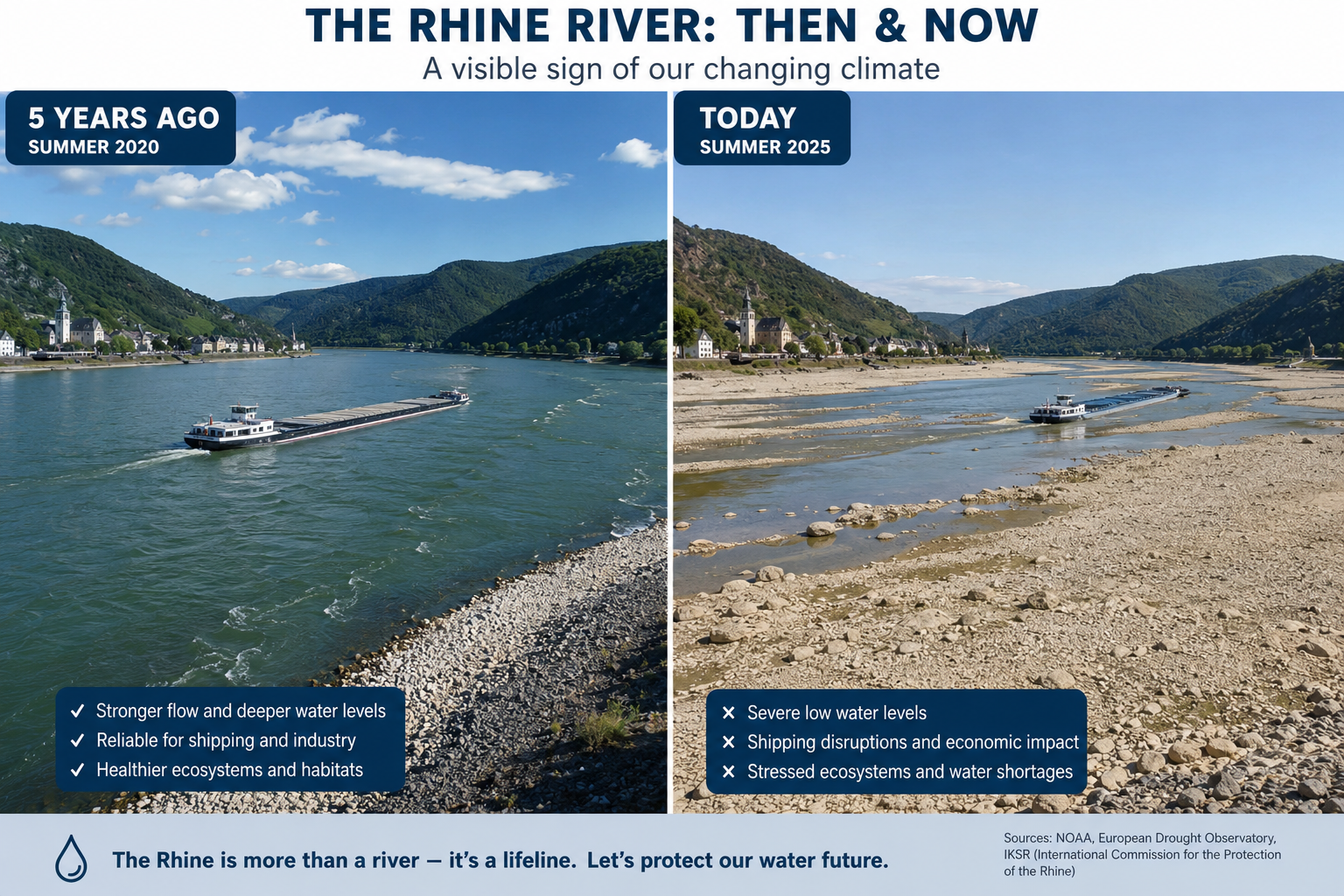
What we know: Days this hot dramatically increases water consumption and water waste.

Why Waterless Urinals Are Gaining Serious Momentum in 2026

Image found on Prexels

For professionals in facilities management, operations, or sustainability, certain infrastructure upgrades are becoming impossible to ignore.

Waterless urinals now sit at the center of three major organizational pressures: escalating utility rates, limited maintenance staffing, and intensified mandates for water conservation.

Today, forward-thinking teams are moving beyond viewing waterless urinal technology as a purely "green" initiative. Instead, they are evaluating it as a strategic operational shift to reduce maintenance and operating costs.

1. From "Eco-Friendly" to "Operationally Essential"

The primary argument for non-water-using fixtures has evolved. While the environmental impact remains significant, the focus has shifted toward mechanical simplicity and superior performance in high-volume restrooms.

By eliminating the flush mechanism in conventional urinals, facility managers can reduce complexity, making it much easier to justify the investment in waterless urinals during tight budget cycles where every dollar must show a clear ROI.

2. The Integration of Intelligent Maintenance

Another defining trend for 2026 is the rise of data-driven restroom management. Modern building sensors and connected platforms now allow teams to monitor usage patterns with high precision.

This technological shift moves maintenance away from rigid, calendar-based schedules toward a more proactive, usage-based model. As large-scale public projects - such as the recent water-positive initiatives at India’s Jaipur International Airport - gain global attention, it becomes clear that waterless urinals are a vital part of a broader, smarter building ecosystem.

3. High-Traffic Venues Lead the Way

The most compelling results are consistently found in high-occupancy environments. Institutions like:

  • Transit Hubs & Airports

  • Educational Campuses

  • Stadiums & Entertainment Venues

  • Commercial Office Towers

In these settings, the sheer volume of users makes water savings and the reduction of mechanical repairs easy to quantify and track over the long term.

4. The Financial Catalyst

Ultimately, the bottom line is what drives leadership to act. Traditional urinals rely on valves and internal components that inevitably require service and replacement. By removing these failure points, facilities can improve operational uptime and eliminate many common plumbing disruptions.

In regions with high utility and sewer rates, the payback period for switching to waterless urinal technology is shorter than ever. When you combine reduced water bills with lower labor costs for repairs, the business case becomes a matter of fiscal resilience.

The Takeaway

In 2026, waterless urinals are no longer a niche alternative. For organizations looking to optimize performance while controlling costs, this is an upgrade that delivers immediate value.

Are you noticing an increased demand for water-efficient restroom solutions in your buildings?

— Klaus

What’s Behind the Steep Rise in the Cost of Beef?

Image by Malcom Garrett found on Prexels

Why Your Steak Is Getting More Expensive: The Crisis Behind the Price Tag

If you eat meat, your grocery receipts have likely been delivering some sticker shock lately. Over the last half-decade, certain cuts of beef have jumped in price by as much as 40%. This isn't just standard inflation; it’s the result of a perfect storm hitting the American ranching industry.

Here is a look at why beef costs are soaring and why the market won't be cooling down anytime soon.

The 75-Year Low: A Herd in Decline

The American cattle population has dwindled to its smallest size since the Truman administration. This massive contraction is fueled by three primary issues:

  • Climate Stress: Persistent, multi-year droughts.

  • Economic Pressure: Skyrocketing costs for livestock feed.

  • Demographics: An aging population of ranchers with fewer young people entering the trade.

The Role of Drought

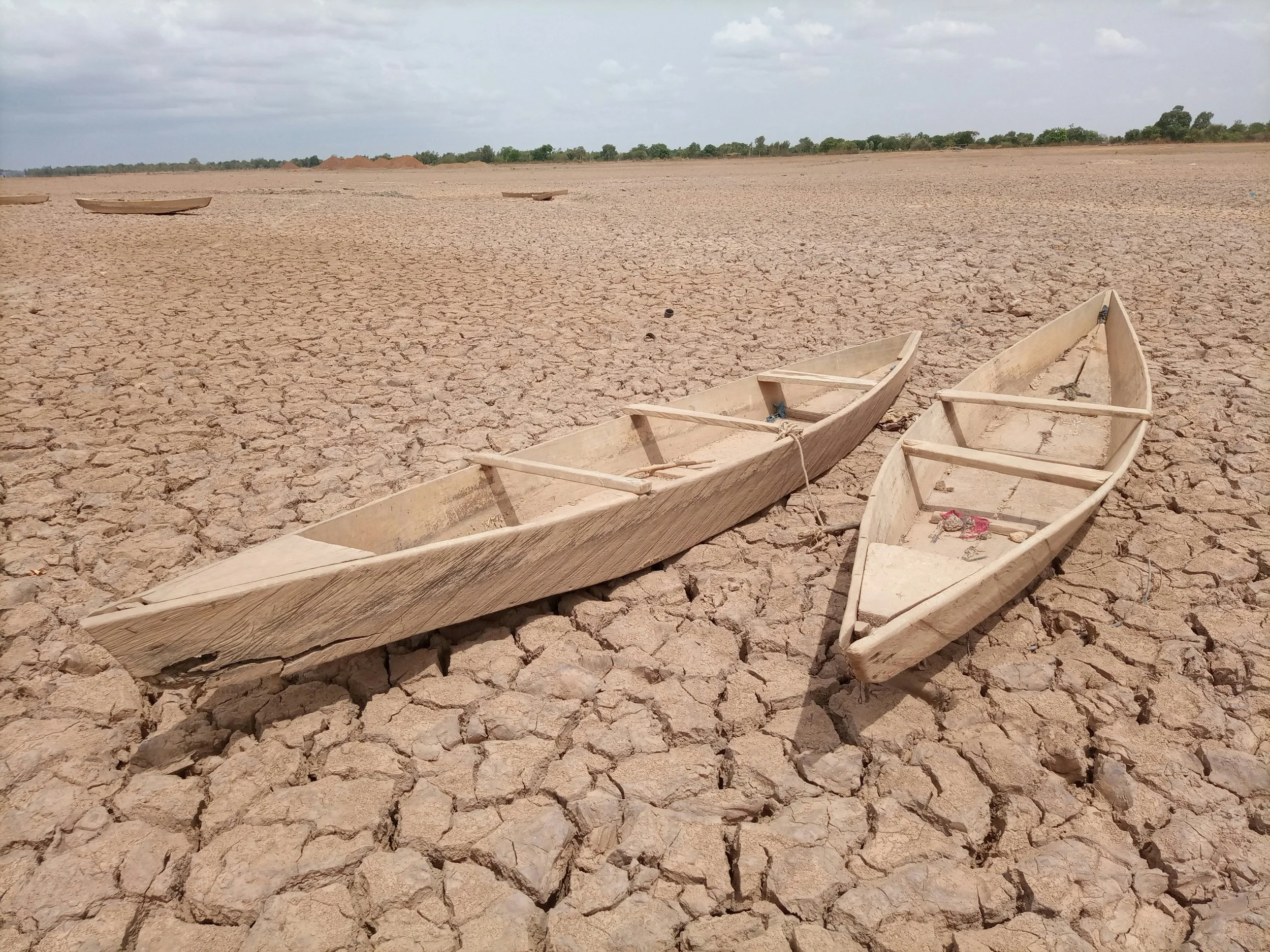
Drought is the "invisible hand" pushing prices up. Across the West and the Great Plains, parched grasslands have left ranchers without the natural resources needed to sustain their animals.

In a desperate move to stay afloat, many producers have been forced to sell off their breeding cows. Because these are the animals responsible for future generations of calves, selling them today guarantees a supply shortage tomorrow.

Why We Can’t "Fix" It Quickly

Unlike manufacturing, you can’t simply turn a dial to increase beef production. It takes roughly two years to raise cattle for market, and even longer to rebuild a decimated herd. Experts, including Oklahoma State University’s Derrell Peel, suggest that consumers shouldn't expect significant relief for several years.

Market Monopolies and Pricing

Beyond the farm gate, the "Big Four" meatpackers—Tyson, JBS, Cargill, and National Beef—control about 85% of the grain-fed cattle market. This extreme concentration has caught the attention of the Department of Justice, which is currently investigating whether these industry giants are engaging in unfair pricing practices.

The Numbers: Paying More, Buying More

The financial shift is stark. Between March 2025 and March 2026, the average price of beef climbed from $8.70 to over $10.00 per pound. Interestingly, American demand remains ironclad. In 2025, consumers spent a record $45 billion on beef, showing that despite the cost, appetite for steak and burgers isn't fading.

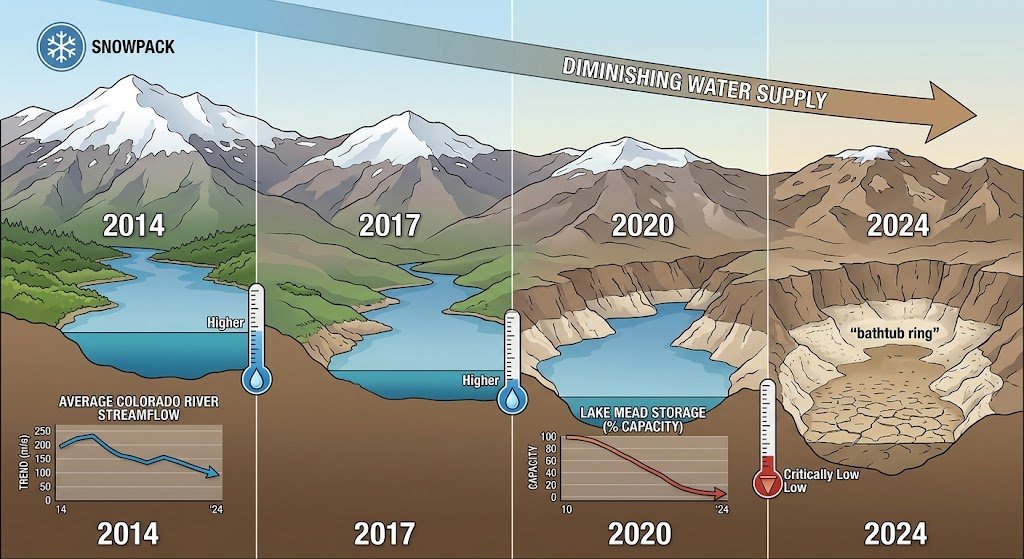
Looking Upstream: The Water Efficiency Solution

While we can’t make it rain, we can change how we manage the water we have. Improving water resilience is a two-pronged approach:

1.    Water Conservation: Temporary measures to cut back during emergencies.

2.    Water Efficiency: Long-term infrastructure changes that use less water to get the same job done.

One practical example of efficiency is the adoption of waterless urinals in commercial buildings. By eliminating water waste in our infrastructure, we reduce the total strain on our water systems. Scaling these kinds of technological shifts—from industrial restrooms to agricultural irrigation—is essential for mitigating the drought cycles that eventually hit our wallets at the checkout line.

The Bottom Line: A supply crisis years in the making will require years of recovery. Until the rains return and the herds rebuild, high prices are the new reality.

Understanding the Rapid Rise of Waterless Urinals in Airports

Image by Plane spotter found on Prexels

While no single report tracks every single eco-friendly fixture worldwide, the data is clear: major international hubs are rapidly adopting waterless urinals to meet aggressive sustainability goals.

This is according to The Airport Waterless Urinal Market Research Report 2033. The report, published by Growth Market Reports (Ontario, Canada), found that sustainable sanitation is no longer a niche trend in aviation—it is a global standard.

Key Insights from the Airport Waterless Urinal Market Report:

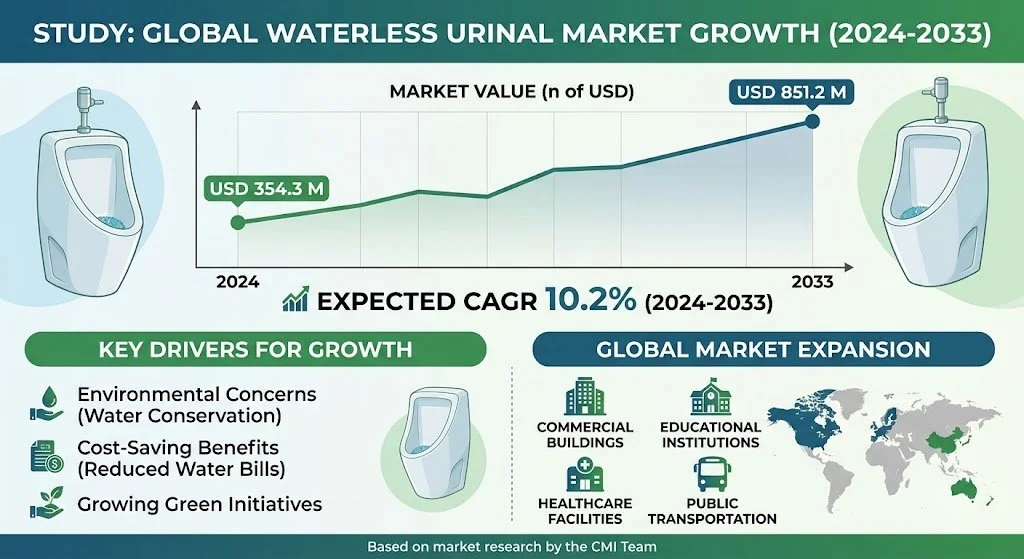
  • Current Market Value: The global airport waterless urinal market size was valued at USD 312.8 million in 2024, reflecting widespread adoption across major transit facilities.

  • Accelerated Growth: The market is projected to expand at a Compound Annual Growth Rate (CAGR) of 7.2% from 2025 to 2033.

  • Future Forecast: Driven by strict environmental regulations and the rising cost of utilities, the market is forecasted to reach USD 587.1 million by 2033.

Why Modern Airports are Installing Waterless Urinals

Airports function as massive, high-traffic cities. Because they operate 24/7 and host millions of travelers, restroom facilities represent one of the largest sources of commercial water consumption.

Aviation authorities are turning to no-flush technology for several critical reasons:

  • Massive Water Savings: Upgrading to a waterless urinal allows airports to save up to 35,000 gallons of water per unit annually.

  • Green Building Certifications: Implementing waterless urinal technology helps airports earn vital points toward LEED and BREEAM certifications, which are now standard prerequisites for global airport renovations and new terminal construction.

  • Operational Cost Reductions: Lower water usage directly translates to decreased utility costs and reduced strain on municipal wastewater systems.

Did You Know?

India’s Jaipur International Airport has successfully installed waterless urinals and is now recognized as one of the few elite, water-positive airports in the world—meaning it returns more potable water to the local ecosystem than it consumes.

To learn more about their successes and how they accomplished them, read our in-depth analysis on Thirsty Giants: Water Use at Major Airports.

Global Examples: International Hubs Leading in Sustainable Sanitation

Major European and international transit hubs are proving the rapid return on investment (ROI) and reliability of water-efficiency technologies:

Airport & Proven Environmental & Operational Impact

Brussels Airport: Saves an impressive thirty-two million liters of drinking water every single year.

Copenhagen Airport: Achieved rapid profitability within a 14-month installation timeframe.

Geneva Airport: Long-term, large-scale deployment of waterless urinals and other water reducing technologies

Belfast Airport: Prioritized commercial water conservation to meet strict local environmental mandates.

Grenchen Airport Switzerland; Early pioneer in utilizing fully automated, self-cleaning waterless systems.

 Sustainability is the New Standard in Airport Design

The shift toward sustainable plumbing infrastructure is happening at every tier of the aviation industry, not just at multi-terminal international hubs.

"By installing waterless urinals, these airports have shown they are reducing water consumption and taking steps to use water more wisely, responsibly, and efficiently," says Klaus Reichardt, CEO and founder of Waterless Co., Inc., a pioneer in the industry since 1991.

"And it’s not just large airports like those mentioned above," Reichardt adds. "Hundreds of airports worldwide—from small regional hubs to major international gateways—now have waterless urinals. The number is increasing steadily as sustainability becomes a fundamental standard in airport design and modern facility renovation."

Related Articles & Resources