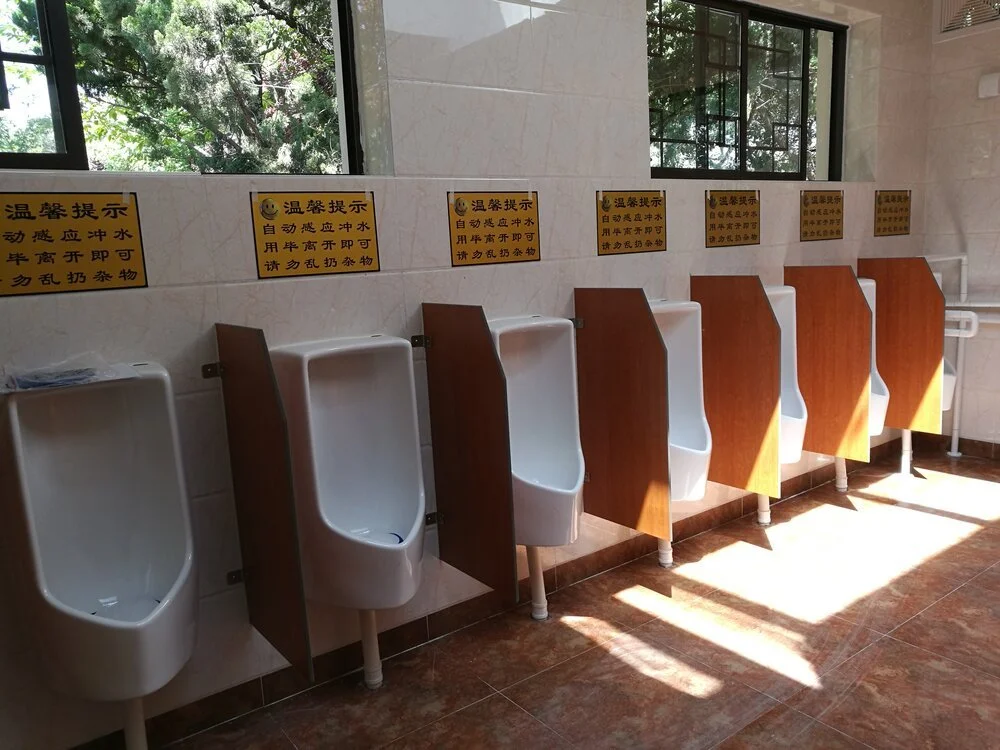
Waterless Urinals Installed in a Campsite Restroom
Freshwater scarcity is no longer a distant concern. It’s a pressing global crisis affecting communities everywhere and demanding immediate action from businesses and governments alike.
One simple yet powerful water-reduction solution to address this challenge can be found in an unexpected place: the commercial restroom. Waterless urinals eliminate the need for flushing, saving tens of thousands of gallons of clean water per unit each year.
But their benefits reach far beyond water reduction and more efficient use of water. They represent a fundamental shift toward more innovative, more efficient building design and operation.
Below, we’ll explore the science behind no-flush technology, calculate the significant water savings, and explain why more facilities are adopting waterless urinals to drastically cut utility costs and improve sustainability performance.
How Do Waterless Urinals Work? The Science of No-Flush Technology
At first glance, a waterless urinal might seem almost too simple—but the engineering behind this innovative plumbing technology is anything but. While traditional urinals use 1 to 3 gallons per flush, waterless models operate without water.
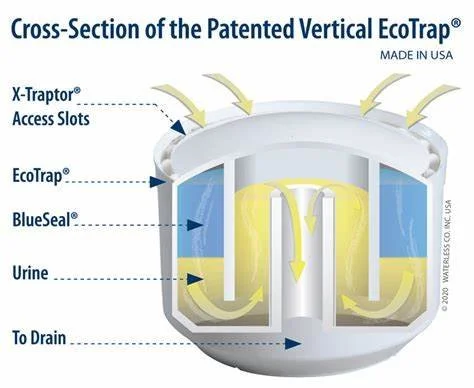
They use a specialized trap system that relies on gravity and a sealing liquid.
When the urinal is used, waste passes through a replaceable cartridge filled with a lightweight, non-water-soluble liquid that floats above the urine.
This creates an effective odor barrier, preventing gases from escaping into the restroom.
The urine then flows naturally into the drainpipe without ever mixing with the sealant.
Modern systems—such as those provided by Waterless Co., Inc.—use replaceable cartridges that typically last several months. With no flush valves, sensors, or moving parts, these units require less maintenance, experience fewer breakdowns, and can operate for thousands of uses before any service is needed.
The Environmental Impact: Waterless Urinal Water Savings Breakdown
The environmental impact of switching to waterless fixtures is both measurable and significant. In high-traffic settings like airports, stadiums, and office buildings, traditional urinals consume enormous amounts of water, which is no longer sustainable.
A single waterless urinal, on the other hand, can save up to 35,000 gallons of clean, potable water every year. Multiply that across dozens—or hundreds—of fixtures in a large facility, and the savings quickly reach millions of gallons annually.

Image found on Prexels
Key Benefits of Lower Water Use and Using Water More Efficiently:
Reduced strain on municipal water systems.
Lower energy demand for water treatment and pumping.
Significantly reduced utility costs (water and sewer bills).
Carbon emissions reduction (by saving the energy required for pumping/treating water).
On a broader scale, adopting water-saving fixtures supports certifications such as LEED and BREEAM* and helps organizations meet long-term water-efficiency goals.
Why Modern Facilities Are Adopting Waterless Urinals to Meet Evolving Building Standards
As environmental responsibility becomes central to modern facility management, businesses and public institutions are adopting waterless urinals as a straightforward, cost-effective step toward environmental stewardship.
From schools and airports to corporate campuses, shopping centers, and major sports venues, organizations are using no-flush urinals to:
Meet sustainability and water-reduction mandates.
Earn valuable green building certification points (LEED, BREEAM).
Demonstrate leadership in Corporate Social Responsibility (CSR)**.
Local governments are taking note as well. Many cities now encourage waterless urinals through incentives, updated building codes, and funding for sustainable infrastructure.
Beyond compliance and cost savings, these fixtures send a clear message: small changes in everyday operations can drive meaningful progress in protecting global resources.
As populations grow, climates shift, and water becomes increasingly scarce, the installation of affordable, easy-to-maintain, and highly efficient waterless urinals will continue to expand worldwide, making them among the most practical technologies available for protecting global water resources.
Expert Insight:
Klaus Reichardt, founder and CEO of Waterless Co. LLC in Vista, California, is a recognized authority on water conservation. Since 1991, he has led the company in developing innovative products such as the Waterless No-Flush urinal, which operates entirely without water.
To contact Klaus and learn more about waterless solutions, click here.
* BREEAM (Building Research Establishment Environmental Assessment Method) is a leading UK-based sustainability assessment method for buildings, infrastructure, and master-planning projects.
** Corporate Social Responsibility (CSR) refers to business practices that aim to make a positive impact on society and the environment.