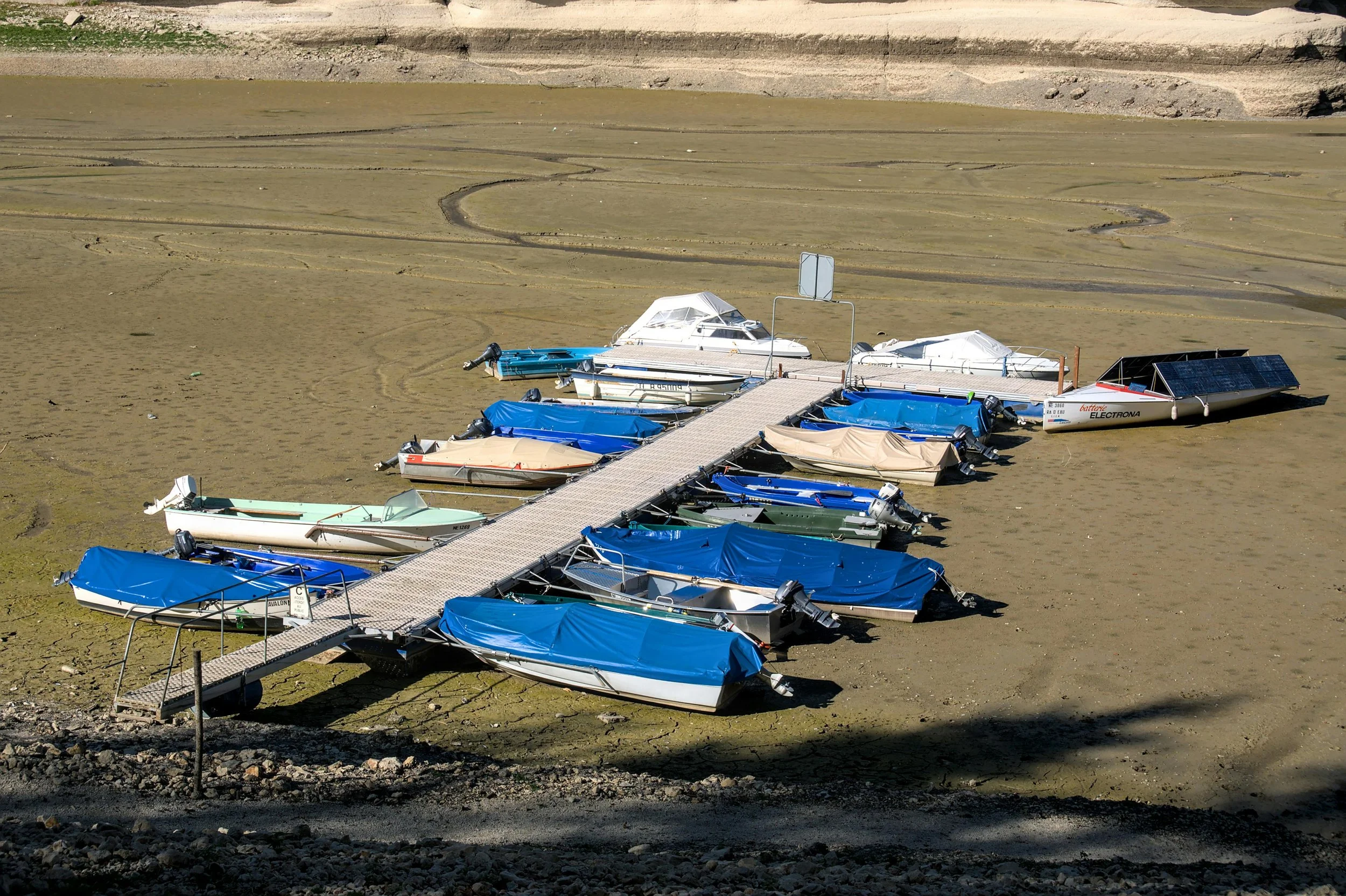
Dried up Harbor, Image by Jean—Paul Wetstein found on Prexels
The U.S. water crisis has reached a critical tipping point in 2026. As of April, record-breaking spring droughts have left over 62% of the Lower 48 states in moderate to exceptional drought conditions.
While the Southwest remains the "ground zero" for scarcity due to the shrinking Colorado River, a surprising shift has occurred: the Southeast is currently battling an unprecedented spring emergency, with 94% of the region under severe drought stress.
Based on the latest data from the U.S. Drought Monitor and the World Resources Institute, these states face the highest risk to their residential, agricultural, and industrial water supplies.
🌵 1. Arizona
Arizona faces severe shortages due to over‑allocation of the Colorado River and shrinking groundwater. Mandatory cutbacks are already in effect, and parts of Phoenix have halted new housing developments because they cannot prove a 100‑year water supply.
🎰 2. Nevada
Nevada receives only a tiny fraction of Colorado River water, making Las Vegas one of the most water‑vulnerable cities in the U.S. The state has passed aggressive conservation laws, including a ban on irrigating “nonfunctional grass” starting in 2027.
🌾 3. California
California faces a double crisis: reduced Colorado River allocations and rapid groundwater depletion, especially in the Central Valley. Several aquifers are already in critical overdraft and placed on probation by the state.
🏜️ 4. Utah
Utah is part of the Colorado River Basin and is experiencing growing water stress as population growth and drought reduce available supply.
🏺 5. New Mexico
New Mexico struggles with overuse and groundwater depletion, worsened by declining snowpack and heavy agricultural demand.
🌄 6. Colorado
Colorado’s water demand is rising while Colorado River flows decline. Growing cities and agriculture are intensifying pressure on limited supplies.
🐊 7. Florida
Less obvious but increasingly stressed, Florida faces shrinking aquifers and saltwater intrusion in coastal areas.
🌽 8. Kansas
Kansas depends heavily on the Ogallala Aquifer, which is being depleted faster than it can recharge, threatening farms and towns.
🤠 9. Texas
Texas faces regional water shortages, especially in the High Plains and drought‑prone western counties, where demand is approaching supply.
🍑 10. Georgia
Georgia is experiencing localized scarcity, especially in rapidly growing metro areas where demand is outpacing available freshwater.
Each of these states is implementing measures to tackle their respective water challenges. In Georgia, for example, communities with populations of 3,300 or greater are mandated to conduct water audits and employ water loss control systems.
Additionally, residents and businesses are being encouraged—through regulatory requirements or financial incentives—to install 1.28 gallon per flush toilets and waterless urinals. These measures significantly decrease water usage and promote efficient, responsible management of water resources.