Istock Image
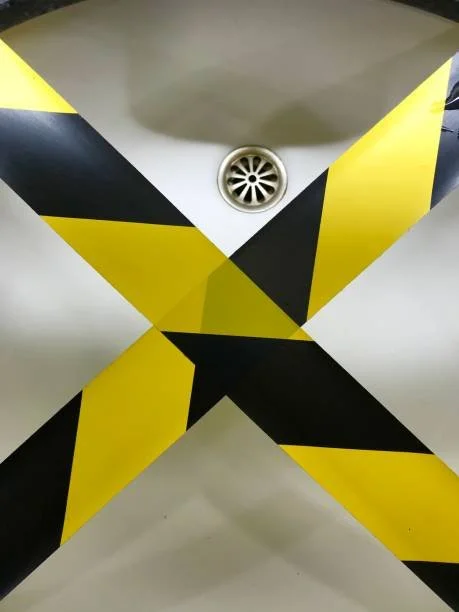
At a local gym in Chicago, a handwritten sign has been taped to one of the urinals for more than a week. It reads: "Out of Order. Awaiting Parts."
At first glance, this feels absurd. Traditional, water-using commercial urinals have been around for more than a century. What could possibly go wrong with them at this point?
As it turns out, quite a bit. Despite their ubiquitous presence in public restrooms, conventional urinals rely on a delicate balance of water pressure, mechanical components, and chemical reactions. When that balance fails, facility managers are stuck with a broken fixture and the dreaded "Out of Order" sign.
Below, we take a closer look at the common causes of conventional urinal failure and how they impact commercial restroom maintenance.
1. Mechanical Failures in Urinal Flush Valves
The traditional manual urinal flush valve relies on a series of internal moving parts—specifically rubber gaskets, O-rings, and diaphragms. Like any mechanical component constantly exposed to water and friction, these parts degrade, warp, and become brittle over time.
When these fail, it generally leads to one of two plumbing headaches:
Continuous Running: The valve fails to seal, causing the urinal to run constantly and waste thousands of gallons of water.
Total Flush Failure: The mechanical mechanism fails entirely, making it impossible to flush the urinal at all.
The Ghost in the Machine: Automatic Sensor Failures
Touchless, sensor-controlled urinals are often installed to improve restroom hygiene, but they introduce a whole new set of technical issues.
The infrared sensor "eyes" can become scratched, covered in grime, or suffer from faulty electrical wiring. Additionally, internal batteries eventually age out. When these digital systems glitch, it triggers what plumbers call "ghost flushes." The sensor becomes convinced a user is present, causing the urinal to flush repeatedly when no one is in sight.
2. Water Chemistry and Pipe Clogging
Conventional urinals depend entirely on water to flush away waste. Ironically, it is the exact combination of water and urine that causes hard clogging encrustation (coverings) on commercial drain lines.
Uric Acid Scale Buildup
When water mixes with urine, it triggers a chemical reaction that forms a compound known as uric scale or more commonly, lime stone. This problem is heavily exacerbated by hard water—which is found in roughly 85% of commercial plumbing systems across the country. Uric scale is a dense, chalky substance that adheres to the inside of plumbing lines, gradually restricting water flow until it creates a severe urinal clog.
Crystalline Scale and Restroom Odors
Beyond uric acid, a stubborn crystalline scale naturally builds up in the P-trap and waste pipes directly beneath the fixture. As this scale accumulation narrows the diameter of the drainpipe, it leads to:
Sluggish, slow-draining urinals.
A pungent, distinct ammonia smell that permeates the restroom.
Complete pipe blockages and foul wastewater backups.
If caught early, minor slow-draining issues can sometimes be cleared with a standard plunger. However, because these problems happen deep within the pipes, they are rarely noticed until a minor nuisance escalates into full plumbing drama.
How to Prevent Flush Urinal Malfunctions
To minimize these plumbing headaches and keep the "Out of Order" sign in the supply closet, facility managers should adopt a proactive preventative maintenance schedule:
Regular Descaling: Treat waste lines with targeted descaling solutions to break up uric acid and crystalline scale before they cause a total blockage.
Annual Inspections: Inspect key mechanical components, flush valves, and electrical sensor connections at least once a year.
Install Urinal Screens: Debris, trash, and foreign objects frequently end up in public fixtures. Installing low-cost urinal screens is the easiest way to keep physical debris from entering the drain line.
Is It Time to Go Waterless?
Even with consistent maintenance, conventional water-using urinals remain high-maintenance fixtures that demand ongoing upkeep, regular servicing, and all-to-often, expensive emergency plumbing repairs.
For facilities looking to reduce operational overhead, waterless urinals offer a compelling alternative. By eliminating flush valves and the chemical reactions caused by mixing water with urine, waterless systems bypass most of these common plumbing failures, including vandalism, another serious problem with conventional flush urinals. When evaluating long-term commercial restroom maintenance costs, choosing between traditional and waterless systems may be easier than you think.
Robert Kravitz, is a former building service contractor in Northern California.