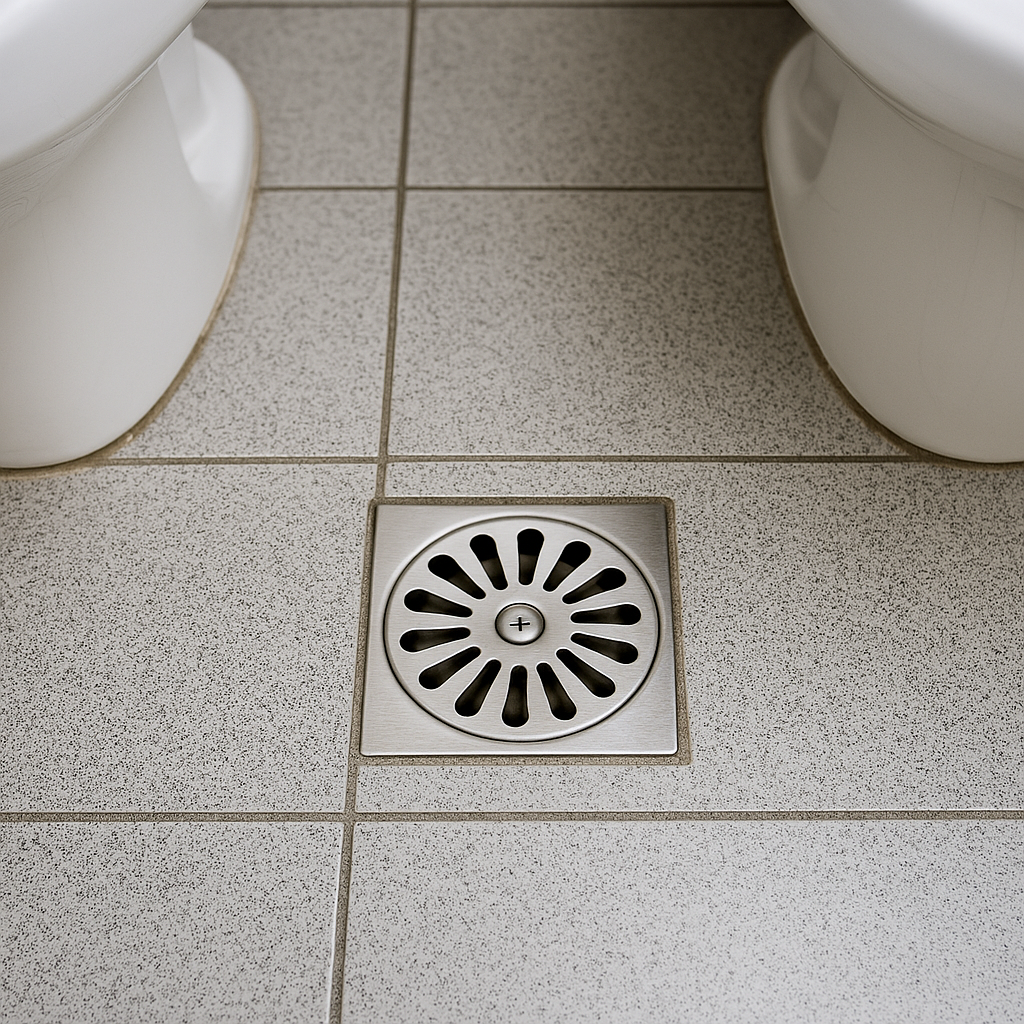
Restroom cleaning programs typically focus on toilets, sinks, countertops, floors, and high-touch surfaces. But there is another area that deserves regular attention: commercial floor drains.
Floor drains may seem insignificant when it comes to daily custodial work, but neglected drains can become a source of persistent odors and indoor air quality concerns. When the protective water seal inside a drain trap disappears, sewer gases can enter the building, creating unpleasant conditions and potentially exposing occupants to harmful contaminants.
Understanding how floor drains work and how to maintain them properly can help facility managers and cleaning professionals prevent odor problems and maintain healthier indoor environments.
How Floor Drains Prevent Sewer Gas from Entering Buildings
Most commercial floor drains are connected to plumbing that incorporates a U-shaped or P-shaped trap. This section of pipe holds water, creating a barrier between the building's interior and the sewer system.
The water inside the trap serves an important purpose: it prevents sewer gases from traveling through the plumbing and entering occupied spaces.
However, unlike sinks and toilets, floor drains may not receive water regularly. Drains located in storage rooms, mechanical spaces, restrooms, basements, or other infrequently used areas can remain dry for extended periods.
As the water in the trap evaporates, the protective seal gradually disappears. Once the trap is dry, gases from the sewer system may travel through the drain and into the building.
These gases can include hydrogen sulfide, ammonia, methane, and other compounds associated with wastewater and decomposition. Even relatively small amounts of certain gases can produce noticeable odors and cause discomfort.
Why Sewer Gas Exposure Shouldn't Be Ignored
A dry floor drain is more than an odor problem. Depending on the gases involved, the concentration, and the surrounding conditions, sewer gas intrusion may create health, safety, and indoor air quality concerns.
Potential pathogen exposure: Plumbing systems can contribute to the movement of contaminated aerosols under certain conditions. Investigations into outbreaks, including the 2003 SARS outbreak in Hong Kong, highlighted how plumbing defects and compromised drain traps may contribute to the spread of airborne contaminants in buildings.
Indoor air quality concerns: Sewer gas intrusion can introduce unpleasant odors and potentially harmful compounds into enclosed areas. In locations with poor ventilation, exposure may become more concerning.
Respiratory and physical discomfort: Exposure to certain sewer gases, particularly hydrogen sulfide and ammonia at elevated concentrations, can irritate the eyes, nose, throat, and respiratory tract. Depending on the concentration and duration of exposure, symptoms may include headaches, nausea, or breathing difficulties.
These concerns make floor drain maintenance an important component of a broader facility hygiene and building maintenance program.
Two Common Mistakes When Addressing Drain Odors
When unpleasant odors emerge from floor drains, facility personnel may turn to quick solutions. Unfortunately, some approaches address the symptoms rather than the underlying problem.
1. Relying on Air Fresheners to Mask Drain Odors
Air fresheners may temporarily reduce the perception of unpleasant smells, while improved ventilation can help remove airborne contaminants. However, neither solution restores the water seal inside a dry drain trap.
If sewer gases are entering the building through an unsealed trap, the source must be addressed. Otherwise, the odors may return, regardless of how much fragrance or ventilation is used.
2. Using Bleach as a Drain Odor Solution
Pouring bleach into a floor drain is not an appropriate solution for sewer gas odors. Chlorine bleach can react with ammonia-containing substances or other chemicals and produce hazardous fumes. Mixing bleach with acidic drain cleaners can also release toxic chlorine gas.
Bleach may also contribute to corrosion or damage certain plumbing components, depending on the materials and concentration.
Rather than relying on chemical disinfectants to address drain odors, maintenance personnel should determine whether the trap seal has evaporated, whether the drain is obstructed, or whether a plumbing problem exists.
Four Ways to Prevent Commercial Floor Drain Odors
A proactive drain maintenance program can help prevent recurring odors and reduce the likelihood of problems associated with dry traps or defective plumbing.
1. Keep Floor Drain Traps Properly Sealed
Regularly replenishing floor drain traps with water can help maintain the protective barrier that prevents sewer gases from entering the building. Depending on the environment, however, water may evaporate relatively quickly, particularly in heated or air-conditioned spaces.
Facility managers can consider trap primers or evaporation-resistant drain sealants to help maintain the barrier between the drain and the sewer system. Products such as EverPrime, for example, are designed to help reduce water evaporation in floor drain traps and extend the time between maintenance interventions.
These solutions may be especially useful for drains that receive little or no routine water flow.
2. Inspect Plumbing Vent Systems
Plumbing vent pipes help regulate pressure throughout a building's drainage system and allow sewer gases to vent outdoors.
Blocked, damaged, or improperly functioning vents can interfere with plumbing pressure and potentially contribute to trap seal loss or drainage problems.
Periodic inspections of plumbing vent systems can help identify obstructions, damage, or other conditions that may affect proper operation.
3. Look for Plumbing Leaks and Hidden Moisture
Persistent restroom odors may originate from more than a dry floor drain. Damaged pipes, leaking connections, or moisture trapped beneath flooring can contribute to odors and microbial growth.
When routine drain maintenance doesn't resolve the issue, facility personnel should inspect accessible plumbing areas, including basements, utility spaces, and crawl spaces, for signs of leakage or moisture accumulation.
Addressing water intrusion early can help prevent more extensive damage and costly repairs.
4. Bring in a Plumbing Professional When Necessary
If odors persist despite routine drain maintenance, the problem may involve damaged pipes, faulty traps, blocked vent lines, or other plumbing defects.
A licensed plumber can evaluate the drainage system, identify the source of the odor, and recommend appropriate repairs. Depending on the problem, a camera inspection or other diagnostic procedure may be necessary.
Prompt investigation can help prevent a minor maintenance concern from developing into a more serious plumbing or sanitation issue.
Make Floor Drain Maintenance Part of Your Facility's Hygiene Program
Maintaining a clean commercial restroom involves more than disinfecting visible surfaces and keeping fixtures spotless. Floor drains also require attention to prevent odors, maintain indoor air quality, and support the overall sanitation of the facility.
By incorporating drain inspections, trap maintenance, and preventive treatments into routine custodial procedures, facility managers and cleaning professionals can help reduce recurring odor problems and maintain a cleaner, more comfortable environment for building occupants.
Floor drain maintenance may be easy to overlook, but it can make a meaningful difference in the overall performance of a commercial restroom.