Maintaining a clean, safe environment in commercial buildings and schools requires constant vigilance, especially when it comes to plumbing. One of the most common maintenance challenges facilities face, particularly during summer breaks or extended closures, is the sudden appearance of foul, toxic sewer odors.
To help facility managers, custodians, and building owners stay ahead of this issue, we’ve answered the most frequently asked questions about drain maintenance, dried-up P-traps, and how EverPrime® provides a long-lasting solution.
Why do sewer odors get worse in schools and offices during the summer?
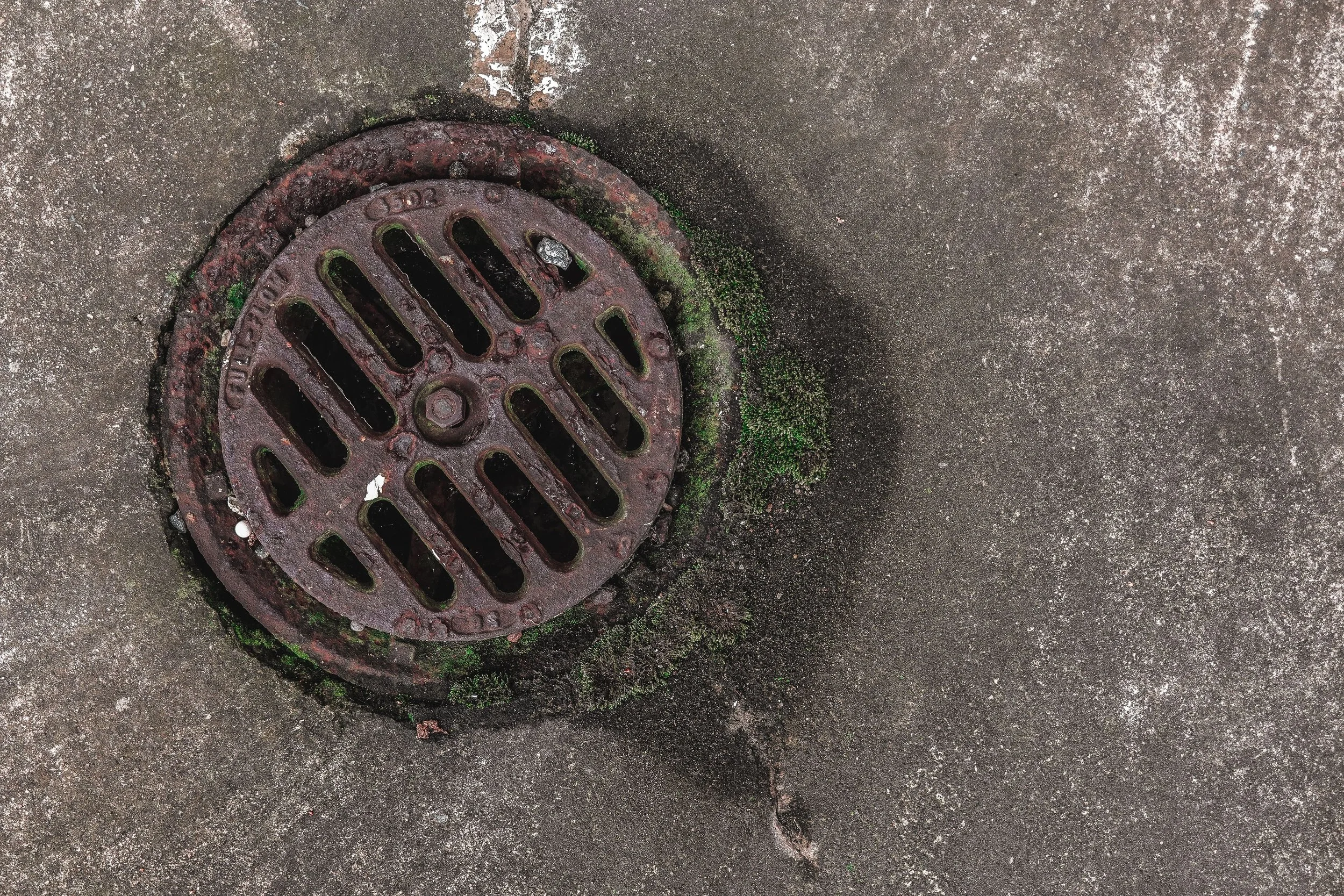
When facilities close for summer vacation or holiday breaks, the plumbing goes unused. Every drain features a P-trap (also known as a U-trap or J-trap) designed to hold a small amount of water. This water acts as a physical barrier against underground gases.
Without regular water flow, the moisture in these traps evaporates. Once the P-trap dries out, a direct highway opens, allowing sewer gases to vent straight into your restrooms, classrooms, and hallways.
What exactly is sewer gas, and is it dangerous?
Sewer gas is a complex mixture of byproducts from decomposing waste. It primarily contains ammonia, methane, and hydrogen sulfide.
Aside from smelling terrible, inhaling these gases can pose serious health risks. Exposure can cause immediate symptoms such as:
Eye, nose, and throat irritation
Nausea and dizziness
Headaches and cognitive fog
In high concentrations or enclosed spaces, sewer gas can be genuinely toxic. Because children breathe at a faster rate than adults, they are often more vulnerable to these airborne toxins when schools reopen.
Sewer Gas Toxicity by the Numbers (Parts Per Million):
0.0005 ppm: The distinct "rotten egg" smell becomes detectable.
0.01 ppm: Mild physical symptoms begin, including eye discomfort and nausea.
0.02 to 20 ppm: Severe symptoms occur, such as rapid heart rate, headaches, and loss of muscle coordination.
Proactive vs. Reactive Drain Maintenance
Can’t I just pour water down the drain to fix the smell?
Technically, yes—pouring water down a dry drain will temporarily refill the P-trap. However, this is a reactive approach.
By the time you or your staff smell the odor, your building is already contaminated with airborne toxins. Furthermore, in large facilities with dozens of floor drains, manually pouring water down every single trap weekly is an expensive, labor-intensive drain on maintenance resources.
How does EverPrime® prevent dry P-traps?
EverPrime® is a biodegradable liquid specifically engineered to solve the problem of evaporating P-traps. Instead of constantly replenishing water, you pour just three ounces of EverPrime® into the drain.
Because it does not evaporate under normal climate conditions, it forms a long-lasting, eco-friendly seal that keeps sewer gases trapped where they belong—underground.
What are the Benefits of Using EverPrime® for Commercial Facilities?
Long-Lasting Protection: A single application keeps P-traps sealed for months, making it the perfect solution for summer school closures or vacant commercial properties.
Cost-Effective: Eliminates the labor costs associated with manually flushing hundreds of drains every week.
Eco-Friendly: EverPrime® is fully biodegradable and safe for your plumbing system.
Peace of Mind: Ensures your building remains fresh, clean, and safe for occupants to return at any time.
Protect Your Facility Today
Don't wait for complaints about foul odors to take action. Incorporating EverPrime® into your seasonal shutdown checklist is the easiest way to guarantee a fresh, safe environment.
How are you preparing your facility's restrooms for the upcoming season? Contact us today to learn more about how EverPrime® can streamline your maintenance routine.