
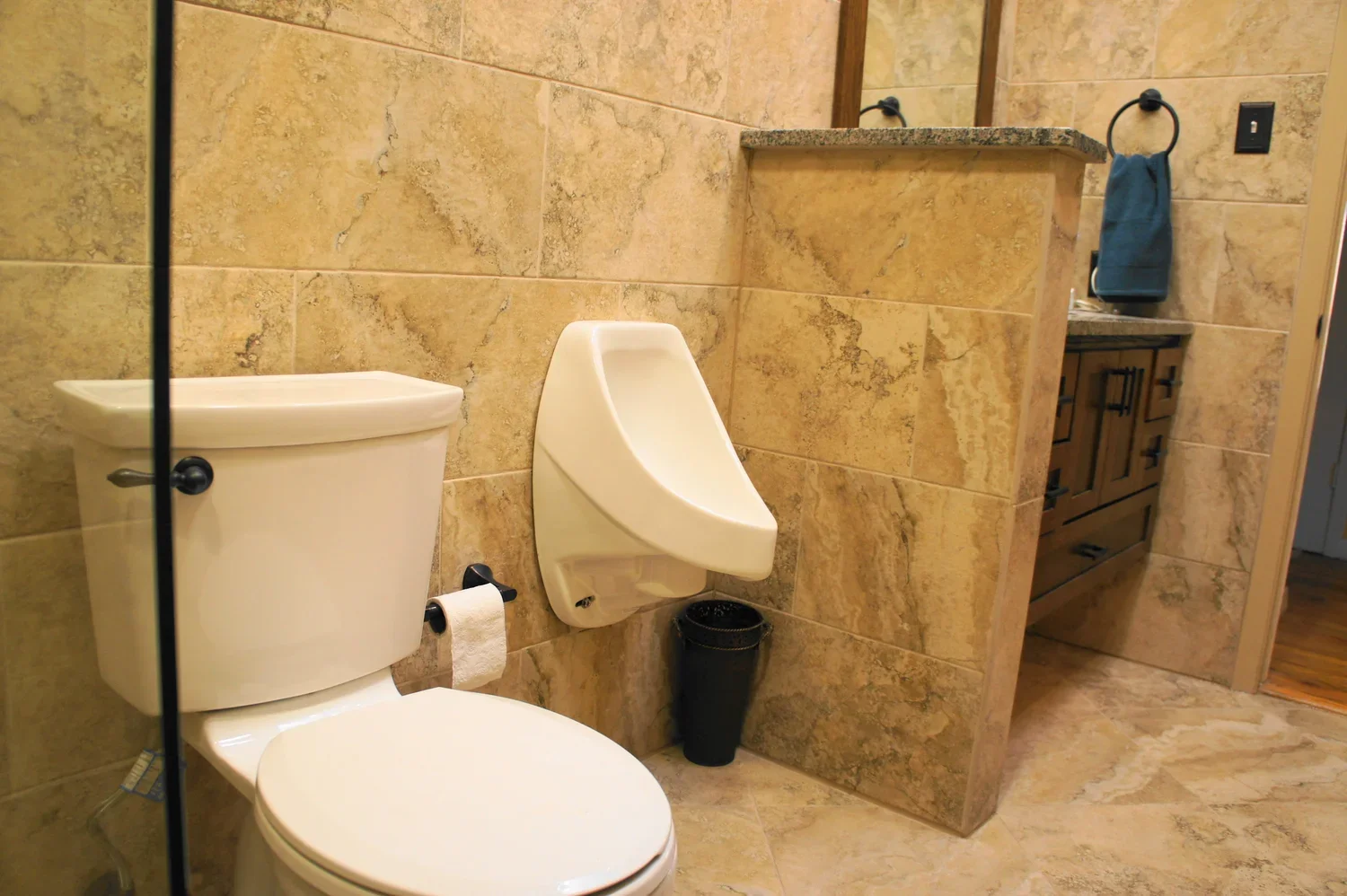
For decades, urinals have been standard fixtures in commercial buildings, schools, sports venues, and public restrooms. Today, however, they are increasingly finding their way into residential properties as homeowners look for new ways to improve convenience, cleanliness, and water efficiency.
According to reports from real estate and home improvement sources, many homeowners choose to install a urinal simply because modern plumbing technology makes it possible and affordable. While the trend is still relatively niche, residential urinals are appearing in homes across North America, from modest suburban houses to luxury custom residences.
Why Are Homeowners Installing Urinals?
The appeal of a home urinal often comes down to convenience. Many families appreciate having a dedicated fixture for quick restroom visits, which can reduce wear and tear on traditional toilets and help keep bathrooms cleaner.
Common benefits cited by homeowners include:
Less debate about leaving the toilet seat up or down.
Faster restroom visits, especially during gatherings or sporting events.
Improved bathroom cleanliness and reduced splashing.
Greater flexibility in shared household bathrooms.
Potential water savings when water-efficient or waterless models are selected.
In many households, the addition of a urinal simply makes daily routines more convenient.
Planning a Residential Urinal Installation
Before purchasing a urinal for your home, there are several important factors to consider.
1. Evaluate Available Space
A urinal requires adequate wall space and proper clearances. While many are installed in traditional bathrooms, some homeowners choose locations such as:
Garages
Workshops
Home gyms
Recreation rooms
Basement entertainment areas
The best location depends on your home's plumbing layout and how the space is used.
2. Understand Installation Requirements
Like any plumbing fixture, a urinal must comply with local building and plumbing codes. Installation typically requires:
A sanitary drain connection
Proper venting
Water supply lines (for conventional, water using models)
Mounting hardware and wall support
A flush valve or flushing mechanism
Because of these requirements, professional installation is usually recommended.
3. Consider Total Project Costs
The fixture itself is often one of the least expensive components of the project. Plumbing modifications, wall work, and flushing systems can significantly increase overall costs.
For a conventional urinal installation, homeowners may spend $2,000 or more depending on:
Existing plumbing accessibility
Location within the home
Fixture selection
Flush valve type
Local labor rates
Waterless Urinals: A Lower-Cost Alternative
An increasingly popular option is the waterless urinal, sometimes referred to as a no-flush urinal. These systems operate without a water supply and eliminate the need for flush valves.
Because they require only a properly connected drain line, installation is often simpler and less expensive than traditional urinals. In many cases, total installed costs may be closer to $1,200, depending on site conditions and local labor expenses.
Beyond lower installation costs, waterless urinals can help reduce household water consumption and eliminate thousands of gallons of annual water use.
Do Home Urinals Affect Property Value?
One question frequently asked by homeowners is whether adding a urinal will increase resale value.
Real estate professionals generally agree that a residential urinal is unlikely to significantly raise or lower a home's appraised value. However, it may appeal to certain buyers and serve as a memorable feature that differentiates a property from others on the market.
In some cases, unique bathroom upgrades—including urinals, radiant floor heating, and integrated sound systems—have generated considerable buyer interest and helped homes stand out during showings.
The Home Urinal Bottom Line
While still uncommon in most homes, residential urinals are gaining attention as homeowners seek greater convenience, improved bathroom hygiene, and enhanced water efficiency. Whether choosing a traditional flushing model or a modern waterless urinal, careful planning and professional installation are key to maximizing the benefits of this increasingly popular bathroom upgrade.