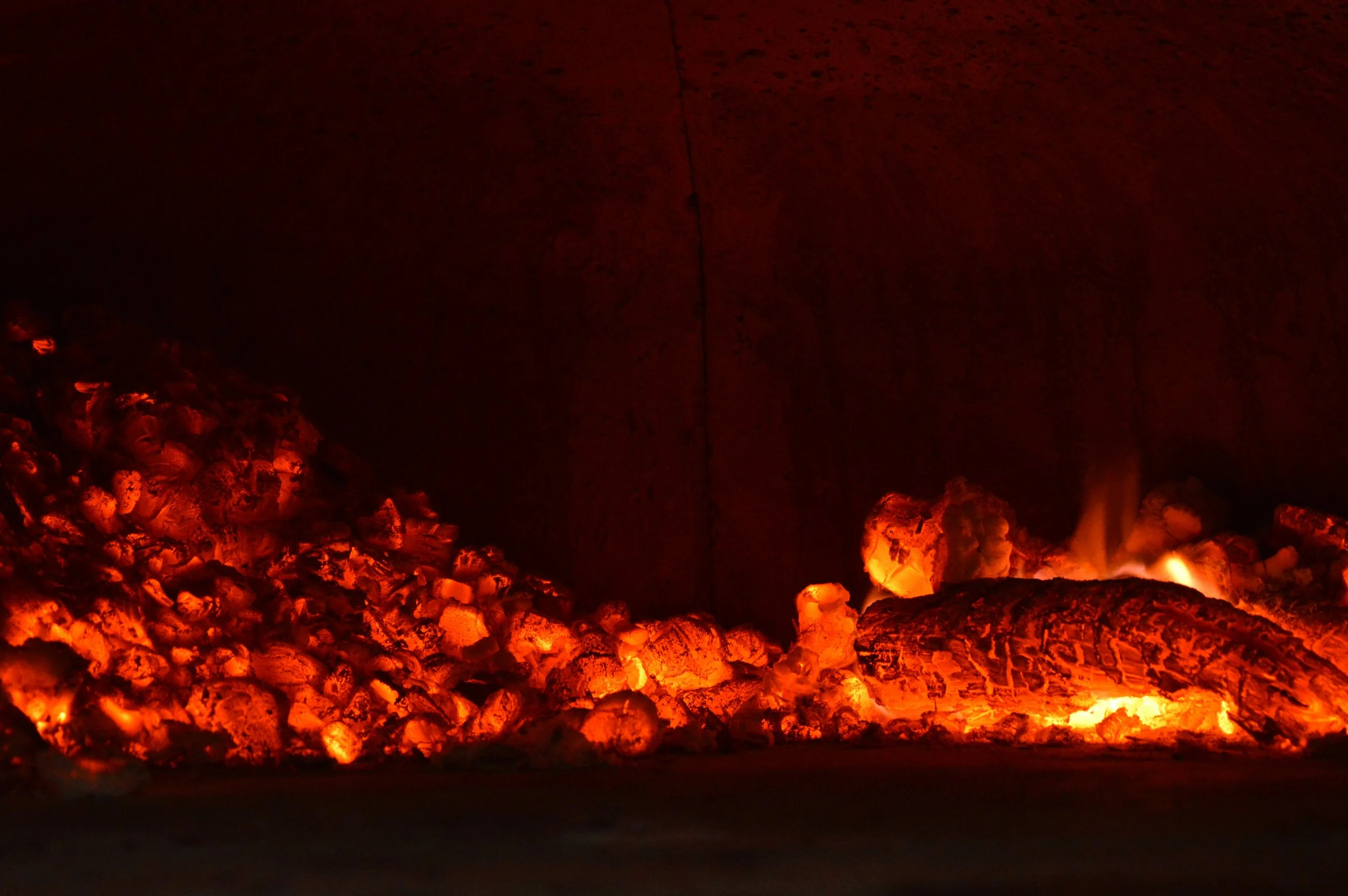
Heat Image Found on Unsplash
Extreme weather events are no longer occasional disruptions—they are the new operational reality. Since the 1960s, the frequency and intensity of severe heat waves have escalated dramatically. What used to be brief spells of high temperatures now routinely stretch into prolonged, multi-week crises, drastically increasing dangerous heat exposure for outdoor workforces.
For employers, this shift demands a proactive approach. Implementing a comprehensive heat illness prevention program is no longer just a regulatory recommendation; it is a critical requirement for workplace safety and operational continuity.
Six Critical Heat Safety Strategies for Employers
To effectively mitigate the risks of high-temperature environments, businesses must transition from reactive measures to structured, multi-faceted safety protocols.
1. Implement Continuous Temperature Monitoring and Thresholds
Do not rely on guesswork. Designate a safety officer to actively track real-time weather data, heat indexes, and wet-bulb globe temperatures (WBGT). Establish hard environmental thresholds where outdoor labor must be modified, paused, or moved indoors to prevent severe medical emergencies like heat stroke.
2. Establish Worker Acclimatization Programs
Sudden exposure to intense heat is a leading cause of occupational heat illness. Protect new, temporary, or returning employees by implementing a gradual heat tolerance schedule. Slowly scaling up their workload over a 7-to-14-day period allows the body to physiologically adapt to hot environments, significantly reducing the risk of sudden heat stress.
3. Conduct Comprehensive Heat Stress Training
Education saves lives. Ensure your entire workforce can identify the progressive warning signs of heat-related illnesses.
Early Symptoms: Muscle cramps, heavy sweating, headaches, and dizziness.
Severe Signs: Confusion, slurred speech, and fainting (which indicate a medical emergency requiring immediate intervention).
4. Shift to Flexible, Heat-Aware Scheduling
In vulnerable regions like the American Southwest, traditional 9-to-5 schedules can be hazardous. Optimize your project timelines by shifting strenuous outdoor tasks to the coolest parts of the day—such as early morning or late evening—and wrapping up high-exposure activities before mid-afternoon peaks.
5. Provide Accessible Hydration and Cooling Stations
Hydration and rest must be frictionless. Employers should supply a continuous, readily accessible abundance of cold water. Additionally, establish shaded rest areas or air-conditioned cooling stations where workers can take mandatory recovery breaks out of direct sunlight.
6. Integrate Cooling PPE Solutions
While standard Personal Protective Equipment (PPE) is vital for site safety, it often traps body heat and worsens thermal discomfort. To counteract this, equip outdoor staff with specialized cooling vests and moisture-wicking gear, and mandate regular cooling station rotations to let their bodies reset.
The Broader Impact: Climate, Water, and Workplace Risk
The dangers of rising temperatures extend far beyond immediate physical strain. Even marginal shifts in regional climates can trigger cascading environmental challenges, including severe droughts, local water shortages, and heightened wildfire risks. These interconnected climate factors directly impact job site safety, air quality, and resource availability, making robust corporate sustainability and safety planning more urgent than ever.
By prioritizing these safety protocols, companies protect their most valuable asset—their people. Investing in smart, hot-weather safety measures doesn't just ensure regulatory compliance; it safeguards employee health, boosts morale, and maintains productivity in an era of unpredictable weather.
About the Author
Klaus Reichardt is the CEO and founder of Waterless Co., Inc., a pioneer in water conservation and the leading provider of waterless urinal technology across North America.