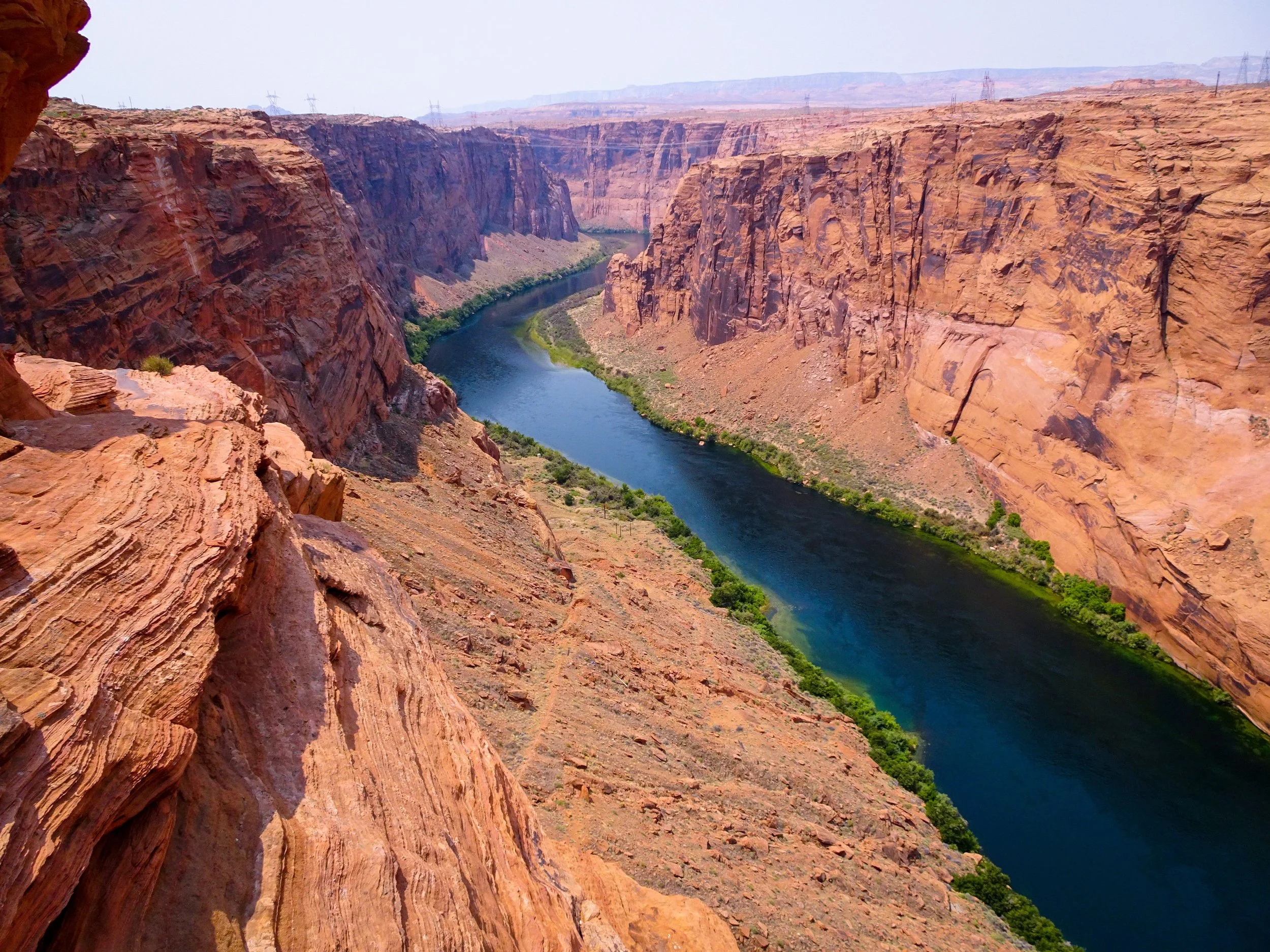
Image by Timothy Tate found on Prexels
Summary of a June 2026 Sierra article by Juliet Grable on Southern California’s water future.
Southern California imports over half of its water from the Colorado River, the Eastern Sierra, and the Sacramento–San Joaquin Delta, but climate change and aging infrastructure are making those supplies less reliable.
· Colorado River: Flows are well below historic norms after record-low snowpack.
· Mono Lake: Water levels have fallen to dangerous lows.
· Sacramento–San Joaquin Delta: Water quality is declining, with toxic algae and ecological damage.
The Delta Conveyance Project: A Controversial Government Answer
To address shortages, Governor Gavin Newsom and state water agencies have proposed the Delta Conveyance Project, a tunnel that would move Sacramento River water around the delta to Southern California.
The project carries a steep price tag of at least $20 billion and a lengthy 15- to 20-year timeline. Critics—including local Native American tribes, fishing organizations, and environmental advocates—argue that the tunnel simply doubles down on an outdated, unsustainable approach to water management.
The Sustainable Alternative: The Water Renaissance Plan
In contrast, the Water Renaissance Plan emphasizes local supply through stormwater capture, wastewater recycling, water efficiency, and conservation instead of major new diversion infrastructure.
Advocates claim these localized strategies could yield 1.8 to 2 million acre-feet of water by 2045 at a fraction of the tunnel's long-term cost.
Key Recommendations of the Water Renaissance Plan:
· Wastewater Recycling: The largest untapped local source, with potential to meet up to 75% of regional demand.
· Green Infrastructure: Use bioswales, rain gardens, and cisterns to capture stormwater and recharge aquifers.
· Native Plant Landscaping: Replace lawns to cut water use and reduce runoff.
· Delta Restoration: Repair levees and wetlands instead of building new diversions.
The Funding Challenge: Local Water vs. Mega-Projects
According to advocates, the ultimate hurdle is financial allocation. If the Metropolitan Water District of Southern California commits up to $40 billion to the Delta Tunnel project, funding for local, decentralized water projects will likely dry up. The coalition is actively pushing for a state general obligation water bond dedicated specifically to local supplies, supplemented by a mix of federal, state, and municipal funding.
Reasons for Optimism in SoCal
Examples across the region suggest the approach is feasible:
· Orange County runs the world’s largest wastewater recycling facility.
· San Diego expects its Pure Water program to provide nearly half its drinking water by 2035.
· Los Angeles County aims to raise locally sourced water from 40% to 80% by 2045.
· Statewide more emphasis on water efficiency such as installing low-flow toilets and waterless urinals.
Ultimately, Southern California faces a pivotal choice: repeat the rigid engineering ambitions of a century ago with another multi-billion-dollar mega-project, or invest in smarter, decentralized, and climate-resilient local solutions.