Image by David Vives
Nevada's conservation push offers a model for states draining their aquifers, says Waterless Co. founder
California and Texas may disagree on plenty, but they share one distinction: together, they pull more groundwater than any other states, as much as 11 billion gallons a day.
Even after two years of above-average rainfall in both states, aquifers are still being drained faster than they can refill. "Those aquifers took thousands of years to accumulate water," said Klaus Reichardt, CEO and founder of Waterless Co., Inc. "Now they are being depleted in many parts of the U.S., which means that water security could become a real challenge for the United States in the near future."
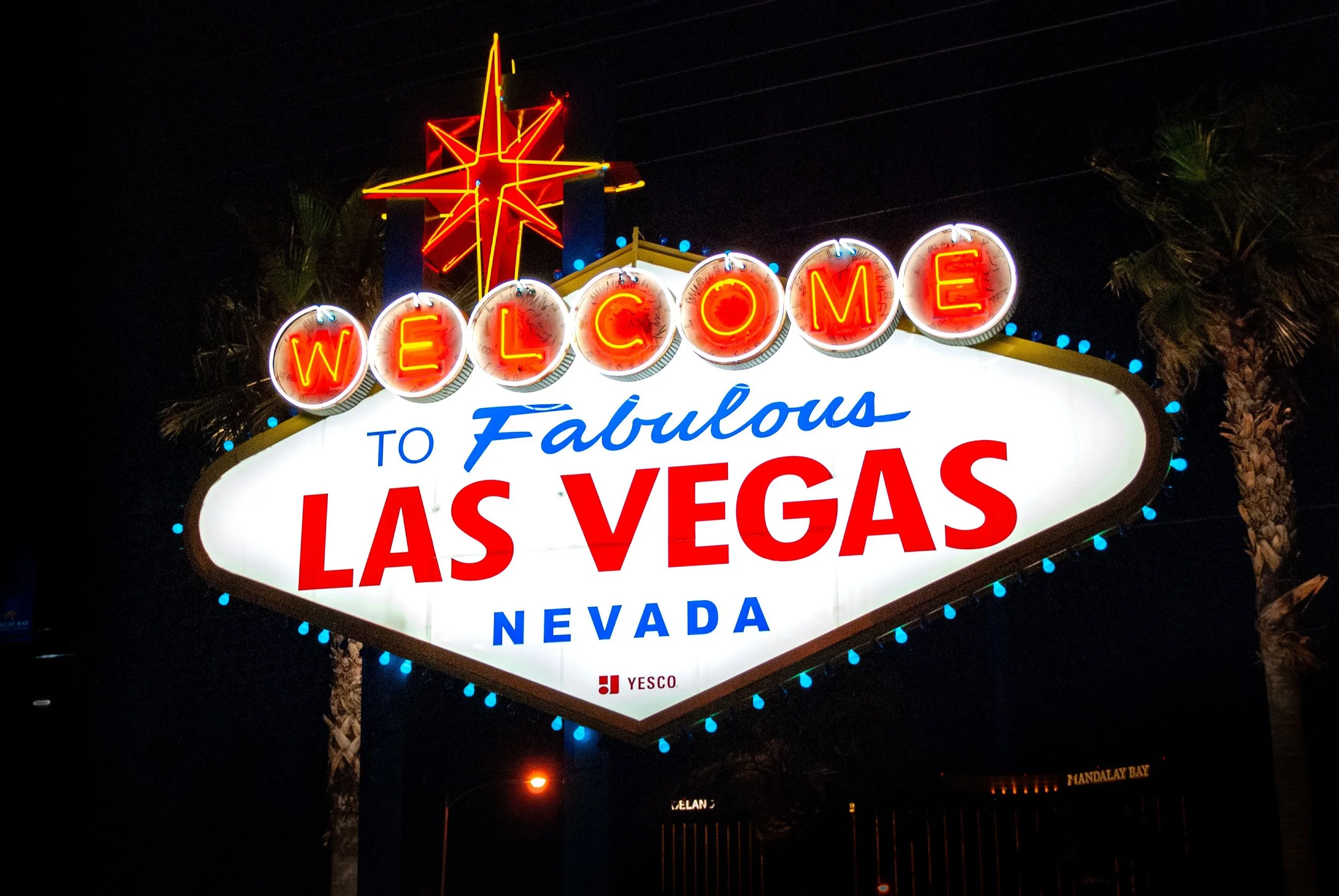
Nevada, and Las Vegas in particular, shows the trend can be reversed. The city uses 26 percent less water than it did in 2002, despite a much larger population, and officials continue to look for new efficiencies.
How Las Vegas Did It
According to a recent CBS News report and John Entsminger, general manager of the Southern Nevada Water Authority, the effort includes:
Indoor water recycling. All water used indoors is treated, recycled and stored in Lake Mead. "You could leave every faucet, every shower running in every hotel room, and it won't consume any more water," Entsminger said.
Desert landscaping. The state helps homeowners pay for desert landscaping and sets rules on when and how much water may be used for irrigation.
A first-in-the-nation grass ban. A new law prohibits non-functional grass, meaning decorative turf along roadways, at shopping centers and at other commercial sites. It is being replaced with drought-tolerant plants. Watering a square foot of grass in Las Vegas takes 73 gallons a year, Entsminger said, versus 18 gallons for drought-tolerant landscaping.
Water-waste patrols. Fourteen inspectors watch for property owners who let water run into outside drains. Fines range from $80 to $1,300.
Leak detection. Monitors on the city's water infrastructure have found more than 1,600 underground leaks, saving 300 million gallons, enough to supply 1,800 Las Vegas homes.
Efficient restroom fixtures. Many hotels now use compressed-air toilets, which need very little water, and waterless urinals are common in hotels, commercial buildings and schools.
Private wells at major resorts. MGM Resorts and the Bellagio have built their own wells, easing reliance on the Colorado River and groundwater. Evaporated water is replaced with treated, recycled water, and the properties have cut consumption by 30 percent over the past three years.
A Long-Term Effort
Entsminger said these measures are part of an ongoing campaign across Nevada. "The situation we're facing today isn't drought. It's the long-term aridification of the desert Southwest. These plans need to be permanent, and they need to build upon themselves every year."
Aridification refers to an area gradually becoming drier and hotter, caused by both natural climatic events and climate change