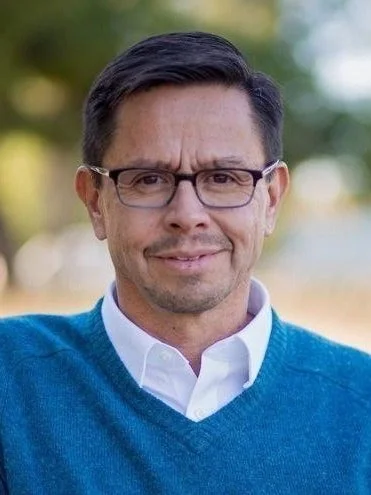
Adam Ortega from the UCLA Department of Environment and Sustainability
We frequently feature insights from leading voices in the water industry. Today, we highlight Adán Ortega, chair of UCLA’s Department of Environment and Sustainability.
Ortega provides a critical look at how Americans perceive their water, the reality of infrastructure costs, and the necessary shift toward climate-appropriate landscaping. Below is a summary of his recent remarks.
The Great Debate: Tap Water vs. Bottled Water
Do Americans take water for granted? According to Ortega, the issue isn't apathy, it's a lack of understanding regarding the true cost of water delivery. The real expense lies in maintaining safe drinking water through modern filtration and adhering to rigorous quality standards.
Despite massive public investment in infrastructure, a "trust gap" remains:
The Cost Discrepancy: Consumers often pay up to $1 per gallon for bottled or vending-machine water, while municipal tap water costs only a fraction of a cent.
The Regulation Reality: Ironically, bottled and vended water are often less tightly regulated than municipal tap water.1
The Perception Problem: Ortega notes that constant updates to safety standards unintentionally fuel the fear that tap water is unsafe.
The Goal: The industry must bridge this communication gap to help residents understand that their tap water is not only the most affordable option but also safe and healthy.
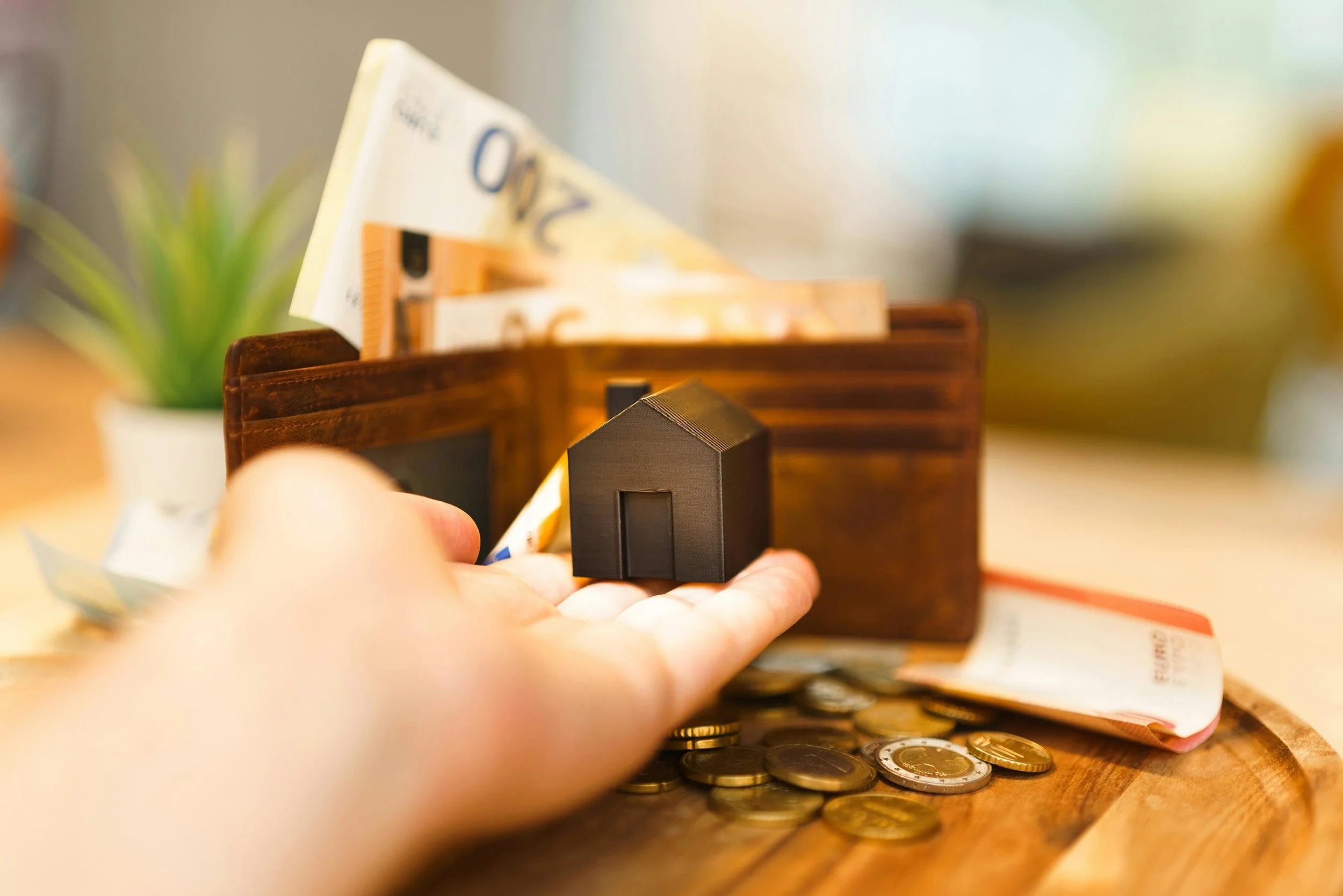
Image by Jakub Zerdzicki found on Prexels
Water Affordability and Low-Income Assistance
Is water a basic human right? Ortega argues that it is, noting that a major industry challenge is establishing a universal low-income rate assistance program.
This initiative is gaining momentum and is a priority within the Metropolitan Water District’s climate adaptation master plan.
The Projected Cost: Statewide estimates suggest it will cost approximately $600 million annually to support low-income households.
The Challenge: As the cost of treating and delivering reliable water rises, finding sustainable funding to ensure access for all residents is critical.
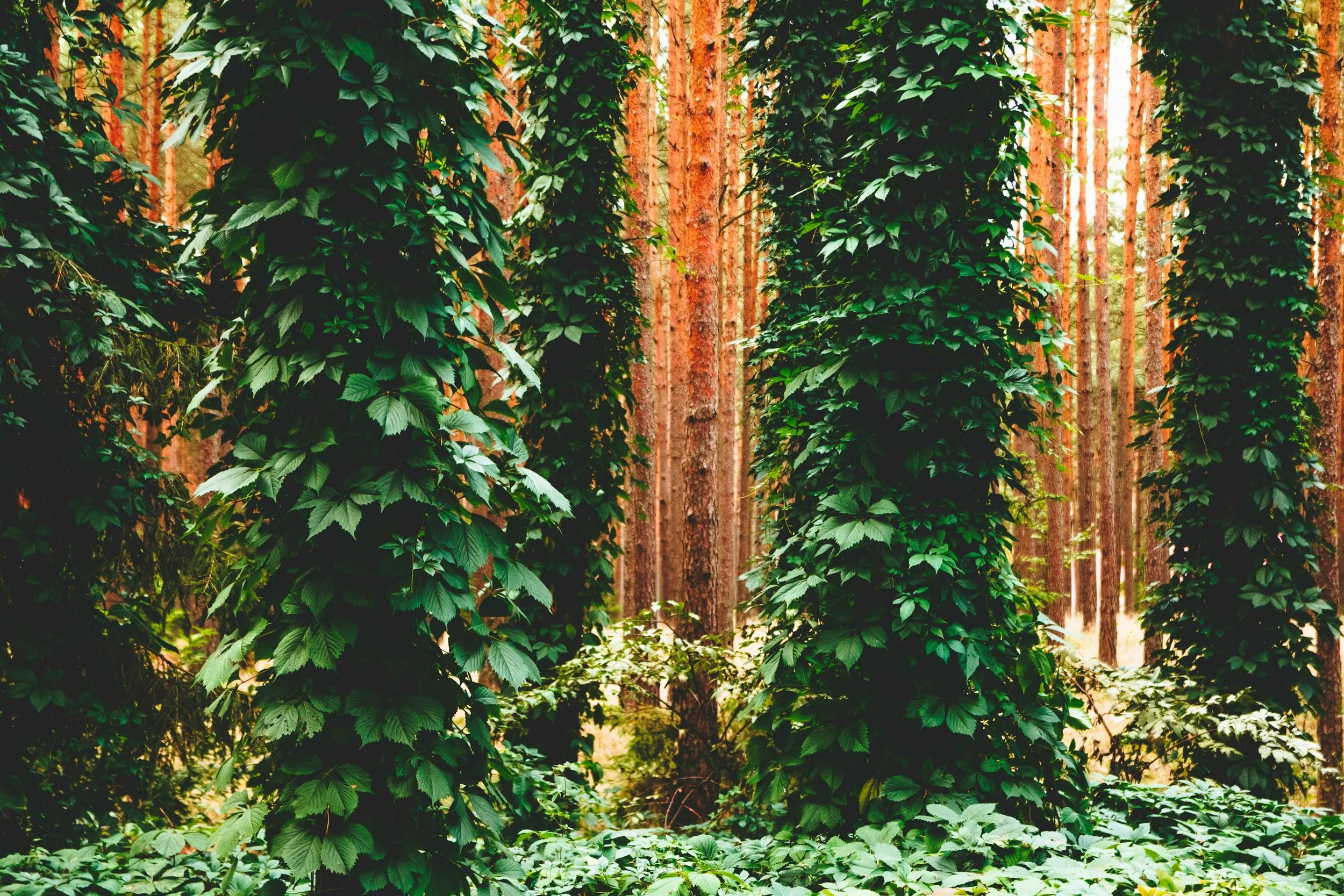
Native Plants by Dariusz Grosa found on Prexels
Sustainable Landscaping: The Shift to Native Plants
Are we seeing a change in outdoor water use? Since 2016, over one billion dollars has been invested in helping Californians transition toward landscapes that reflect the state’s natural heritage.
Ortega sees encouraging signs that the aesthetic of the American yard is evolving:
Embracing Native Flora: There is a distinct shift toward native and climate-appropriate plants.
Lush, Not Barren: Low-water landscaping does not mean barren yards or just cacti.2 Ortega’s own yard is described as lush and adapted to the California climate.
Ortega predicts that in 10–15 years, we will look back at old photos of Southern California and marvel at how drastically—and beautifully—the landscape has evolved to meet environmental needs.
Key Takeaway
While Adán Ortega focuses on California, his observations resonate nationwide—especially across the drought-prone western U.S. The message is clear: to secure our future, we must value, respect, and use water far more efficiently.
Waterless Co., Inc is a pioneer in water efficiency. We are the go-to company when it comes to reducing water consumption, understanding the many benefits of waterless urinals, and finding ways to use water more efficiently. For more information, contact a Waterless Co Specialist.