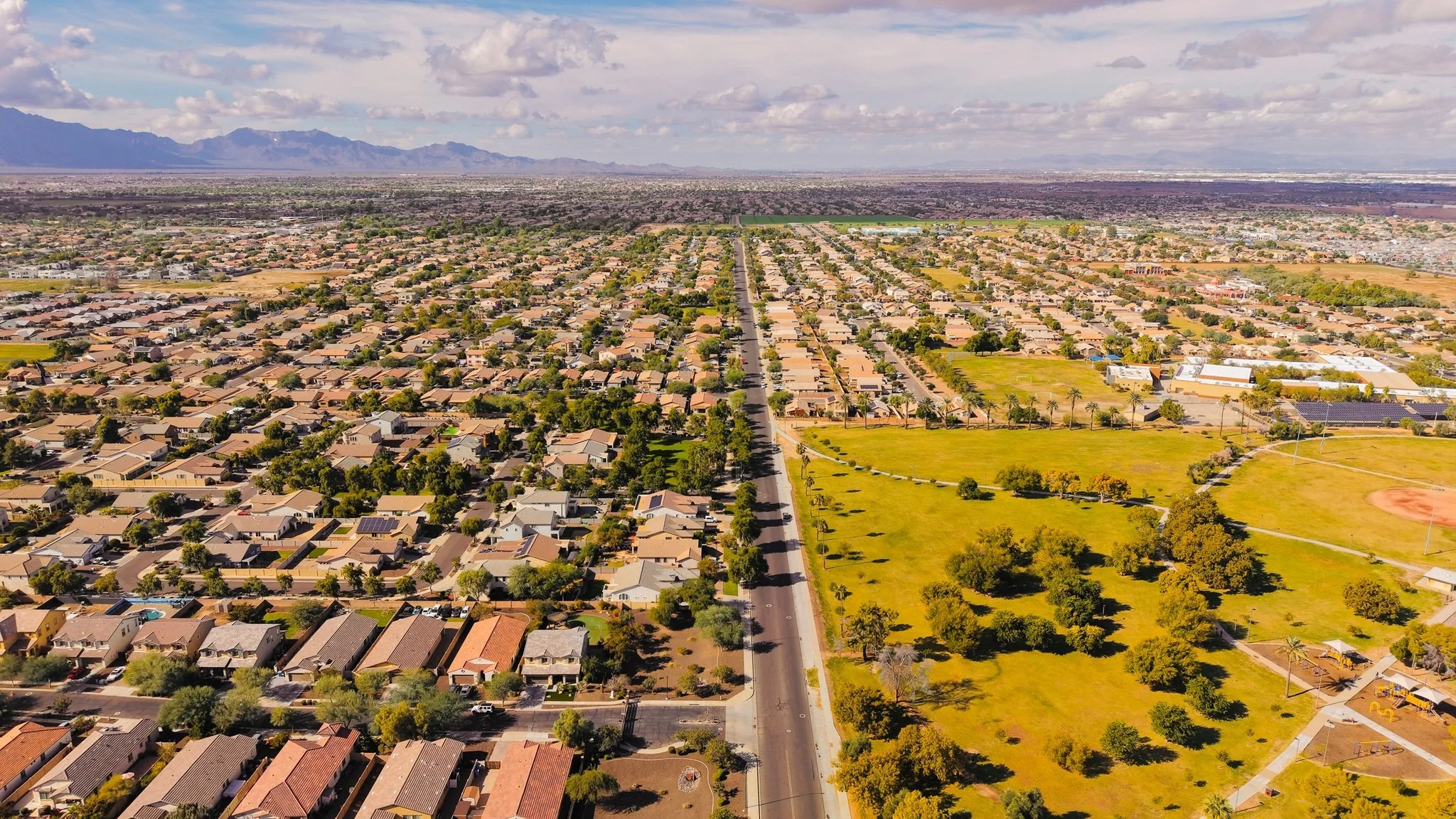
Arizona is one of many states facing escalating water bills. Image found on Prexels by Chris-the-Mind
Water rates are climbing across the Southwest. Learn how businesses can reduce water costs with waterless urinals and other efficiency upgrades.
Why Water Costs Are Rising in the Southwest
Arizona shows the pressure clearly. Population growth, declining Colorado River supplies, groundwater limits, and the high price of developing new sources are forcing local governments to rethink how water is sourced and priced.
Queen Creek, a town of about 90,000 southeast of Phoenix, is considering a roughly $730 million project to bring in groundwater from the distant Harquahala Basin. To fund it, officials have proposed raising the water rate from $3.07 to about $10.74 per 1,000 gallons, as reported in October 2026. Some households could see monthly bills rise by $57 to $138, and high-volume users could face much larger increases.
With the town's population expected to nearly double by 2050, demand will keep climbing. The lesson is simple: having access to water and being able to afford it are two different things.
How Higher Water Rates Affect Commercial Properties
Water rarely gets the same budget attention as electricity, natural gas, or labor, but it should. Manufacturers, hotels, restaurants, schools, healthcare facilities, and office buildings all rely on it. As utilities pay for new supplies, treatment plants, and aging infrastructure, those costs show up as higher water and sewer charges. For multi-building portfolios or high-volume users, even modest rate increases add up fast.
How to Reduce Water Costs in Your Facility
You can't control regional supply or utility pricing, but you can control consumption. Begin with a water audit to see where your facility uses the most water.
Start with Restrooms: Install waterless Urinals
Restrooms are one of the best places to look, especially in high-occupancy buildings. Traditional urinals use water with every flush. Waterless urinals use none, which can significantly cut water use and utility expenses depending on fixture count, usage, and local water and sewer rates.
Other Water Efficiency Upgrades
Repair leaking fixtures, pipes, and plumbing equipment
Install water-efficient faucets, toilets, and fixtures
Review irrigation systems and reduce unnecessary outdoor use
Monitor water consumption to catch unusual spikes
Check water and wastewater bills regularly for savings opportunities
Plan Ahead for Higher Water Prices
Water can no longer be treated as a cheap, always-available resource. Waiting until rates climb is the expensive approach. The smarter strategy is to identify where water is being used, eliminate waste, and invest in commercial water conservation before costs hit your operating budget. Organizations that act early will be better positioned to control expenses and build resilience.
Ready to lower your facility's water use? Contact Waterless Co. to learn how waterless urinals can help.
-Klaus