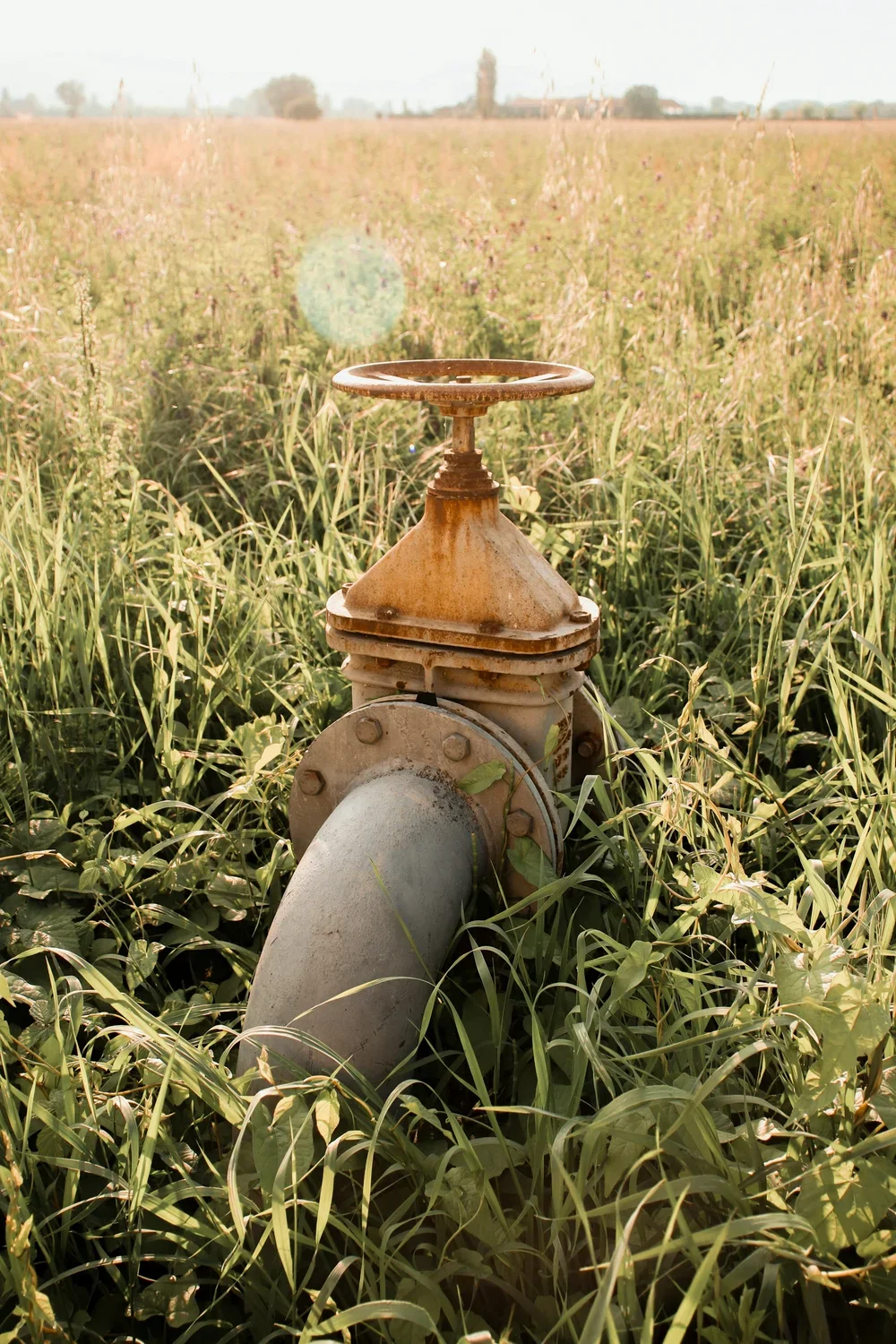
Image by Cole Clarito found on Prexels
The most immediate and serious consequence of this deteriorating infrastructure is widespread water loss. As America's population grows and fresh water becomes an increasingly precious resource, millions of gallons are lost daily through:
Leaky underground pipes
Failing municipal infrastructure
Outdated water treatment facilities
This systemic leaking doesn't just waste a vital natural resource—it also places a massive financial burden on the local communities that depend on these utilities.
Public Health and the Affordability Crisis
The true burden of America's water crisis runs deeper than most people realize, impacting both public health and economic equity.
Access and Affordability
Millions of Americans, particularly in rural and underserved areas, still lack basic access to running water and indoor plumbing. As municipal utilities are pressed to fund emergency repairs, they are forced to raise water rates. This creates severe affordability problems that fall hardest on low-income households.
Contamination Risks
Beyond financial strain, aging pipes dramatically raise the risk of water contamination incidents. When infrastructure fails, it quickly transforms a structural utility problem into a severe public health crisis.
Solutions: Smart Technology and Collaboration
Despite the scale of the challenge, there are reasons for cautious optimism. More funding is finally being funneled toward replacing crumbling systems, and local communities are increasingly collaborating to find innovative solutions.
The commercial restroom and plumbing industries are also stepping up. Modern water efficiency technologies—such as waterless urinals—offer a practical, scalable way to meaningfully reduce water waste at the building level.
Building a Sustainable Water Future
Ultimately, securing a sustainable water future for the U.S. is not a problem any single sector can solve alone. Progress requires broad, collective participation.
How to Make an Impact:
For Individuals & Businesses: Adopt water-efficient technologies, low-flow fixtures, and smart water management systems in homes and commercial properties.
For Communities: Support local infrastructure investments, bonds, and policies aimed at grid modernization.
For Advocates: Raise awareness about the critical need for water conservation and infrastructure funding.
By combining policy, skilled labor, and innovative technology, we can protect our most vital resource before it runs dry.