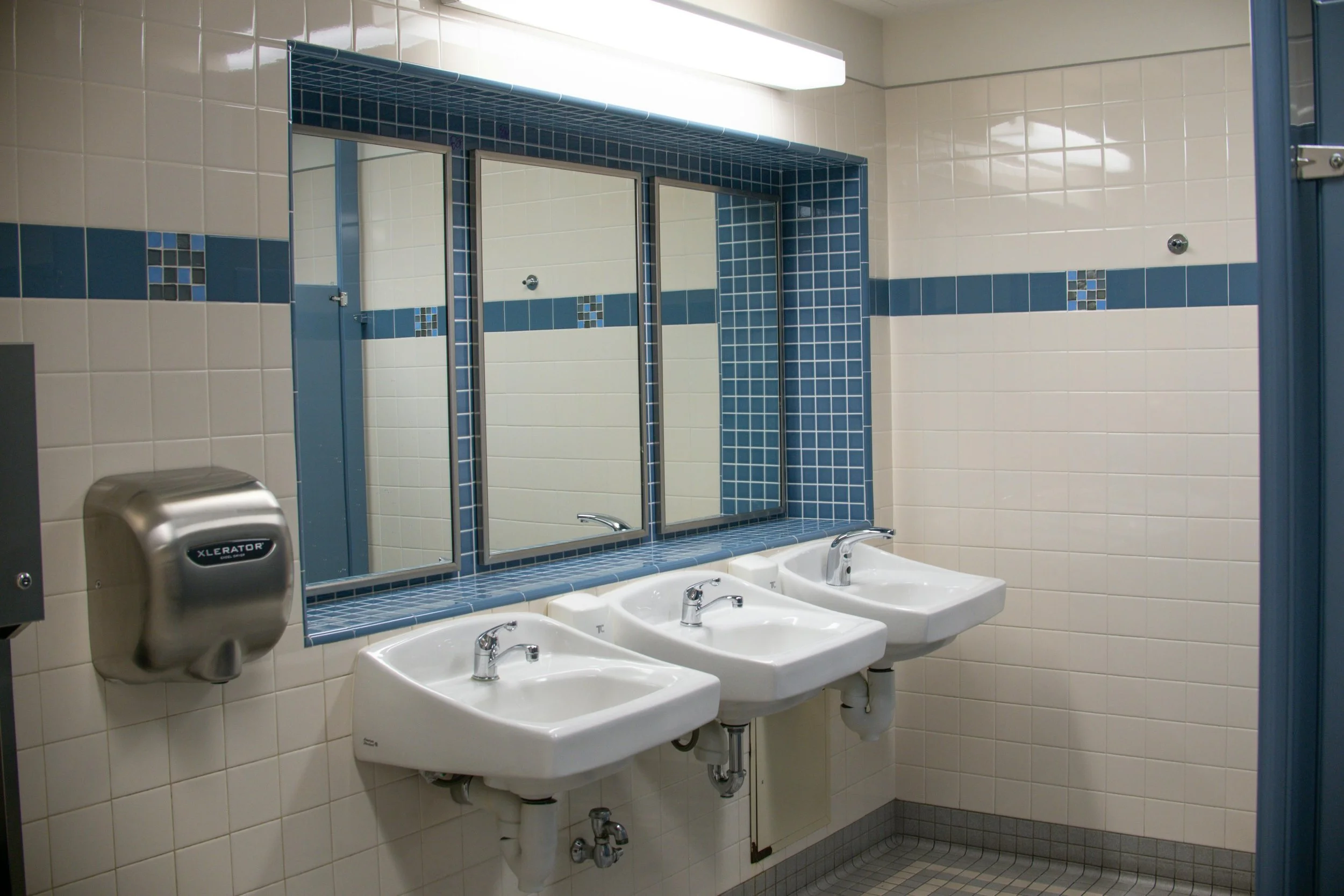
Image by Zante found on Prexels
Just as food products carry "Best Before" labels, commercial and school restrooms deserve their own expiration dates. Like any building component, restrooms have a definitive service life—and knowing when yours has expired could save you money, tenants, and compliance headaches.
The 20-Year Rule: When Restrooms Outlive Their Purpose
Most restroom components—sinks, counters, toilets, urinals, and tiled surfaces—have a functional lifespan of roughly 20 years. The problem isn't that they stop working. It's that they stop working well for the people using them.
Here are six signs your restroom has hit its "use by" date:
1. Shifting User Demographics Building occupancy changes over time. Oversized restrooms feel inefficient when populations shrink; undersized ones create bottlenecks in denser facilities. Neither serves your tenants well.
2. Outdated Building Codes Older restrooms routinely fail current ADA accessibility requirements. What passed inspection 20 years ago may expose you to compliance liability today.
3. Aesthetic Obsolescence Dated tile, worn fixtures, and fluorescent lighting signal neglect to tenants and visitors. First impressions matter—and restrooms are part of yours.
4. Hygiene Deficiencies Aging surfaces and hard-to-clean crevices harbor persistent bacteria that routine cleaning can't fully address. Modern materials and fixture designs significantly reduce this risk.
5. Changing User Expectations Today's building occupants expect touchless, minimalist experiences. If your restroom requires users to touch multiple surfaces, it's already behind the times.
6. Evolving Design Standards Contemporary designers treat restrooms as comfort and respite spaces, not just functional necessities. In competitive commercial real estate, that distinction matters.
Restroom Renovation Checklist: What to Prioritize
When the "use by" date arrives, a strategic renovation should address these essentials:
ADA Compliance Verify that your renovated restroom meets current Americans with Disabilities Act requirements—not the standards from your last build-out.
Water Efficiency Install high-efficiency toilets that exceed minimum legal requirements and waterless urinals to maximize water savings and reduce long-term operating costs.
Plumbing Infrastructure Add isolation valves so that targeted repairs don't require facility-wide water shutoffs—a small upgrade that prevents major disruptions.
Touchless Technology Retrofit flush valves, faucets, soap dispensers, and paper towel dispensers with touchless controls. This is now a baseline expectation, not a premium feature.
Lighting Replace institutional fluorescent lighting with warmer, more inviting systems. Lighting quality dramatically affects how a restroom feels—and how it reflects on your property.
LEED Certification If your building is pursuing LEED certification, consult a LEED professional before renovation begins. In many cases, installing high-efficiency toilets and waterless urinals is sufficient to satisfy restroom-related LEED requirements.
The Bottom Line
Don't let your restroom outlive its usefulness. In a very competitive commercial real estate market, an outdated restroom signals neglect—to current tenants and prospective ones alike. A timely renovation protects tenant satisfaction, ensures code compliance, and positions your property as a modern, well-managed asset. Think of it less as a maintenance expense and more as a retention and leasing strategy.