waterless urinal

Waterless Co "Baja" Urinal Ranked Best No-Water Urinal of 2020

July 30, 2020 – Vista, CA - According to Nestlord, a product review service affiliated with Amazon.com, the best no-water urinal for 2020 is the "Baja" from Waterless Co. Inc.

The review states that among the reasons the Baja was selected was because the cartridges used with the Baja only need to be "replaced two to four times in a year" and only cost $10.

This is far less expensive than the cartridges used, for instance, in other water-free urinals.  Plus, cartridges used in competing no-water urinals often need to be changed six or more times per year.
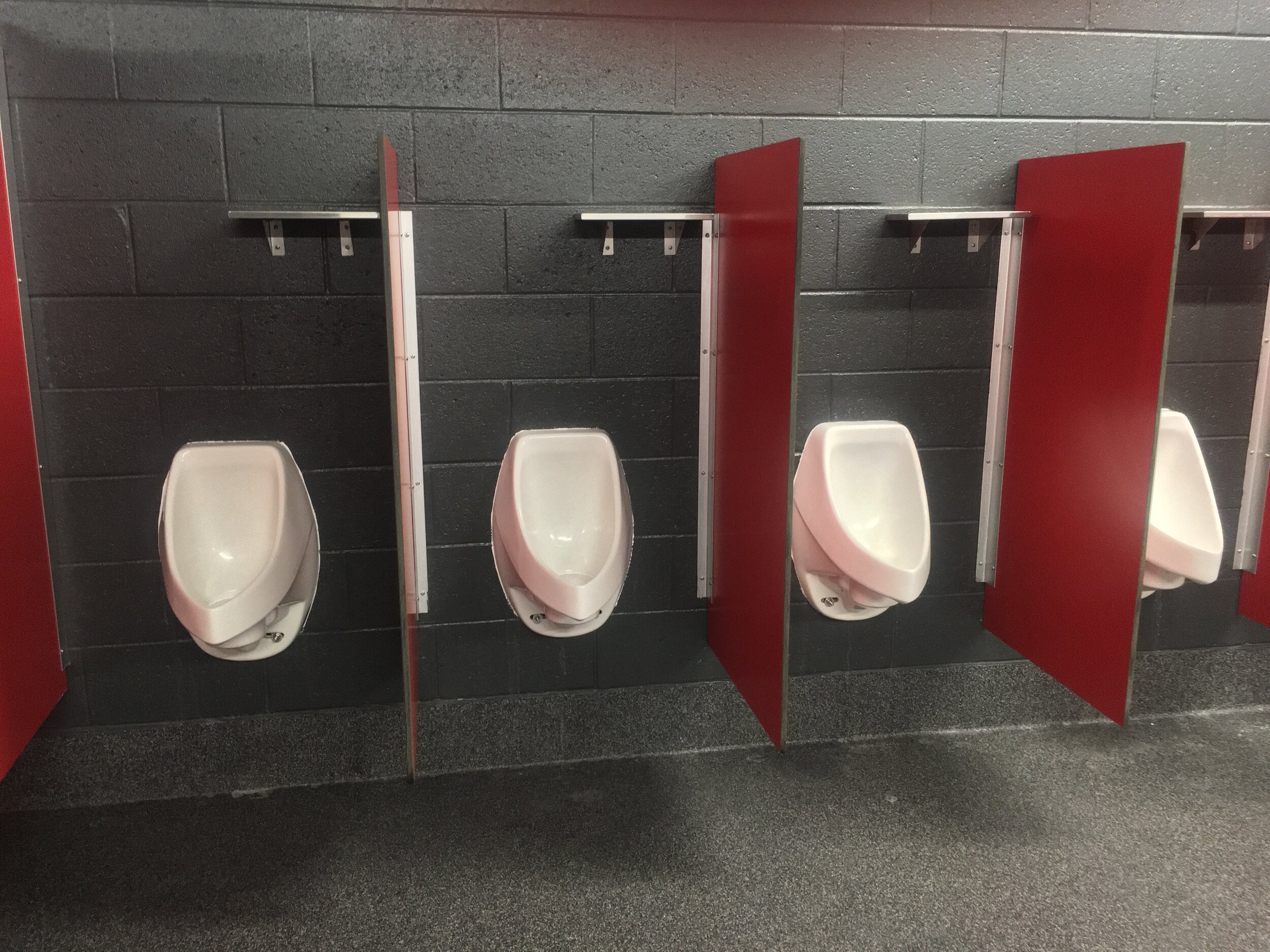
Atlanta Falcons Mercedes-Benz Stadium

Atlanta Falcons Mercedes-Benz Stadium

Among the other benefits pointed out in the review are the following:

·       The Baja is ADA (Americans with Disabilities Act) compliant

·       The Baja comes with two EcoTrap cartridges, considered the best in the industry.

·       BlueSeal liquid is used in these cartridges, which prevents odors from being released.

·       The Baja is also "easy to install and connects directly with two-inch standard drain lines," allowing it to be installed in almost all facilities.
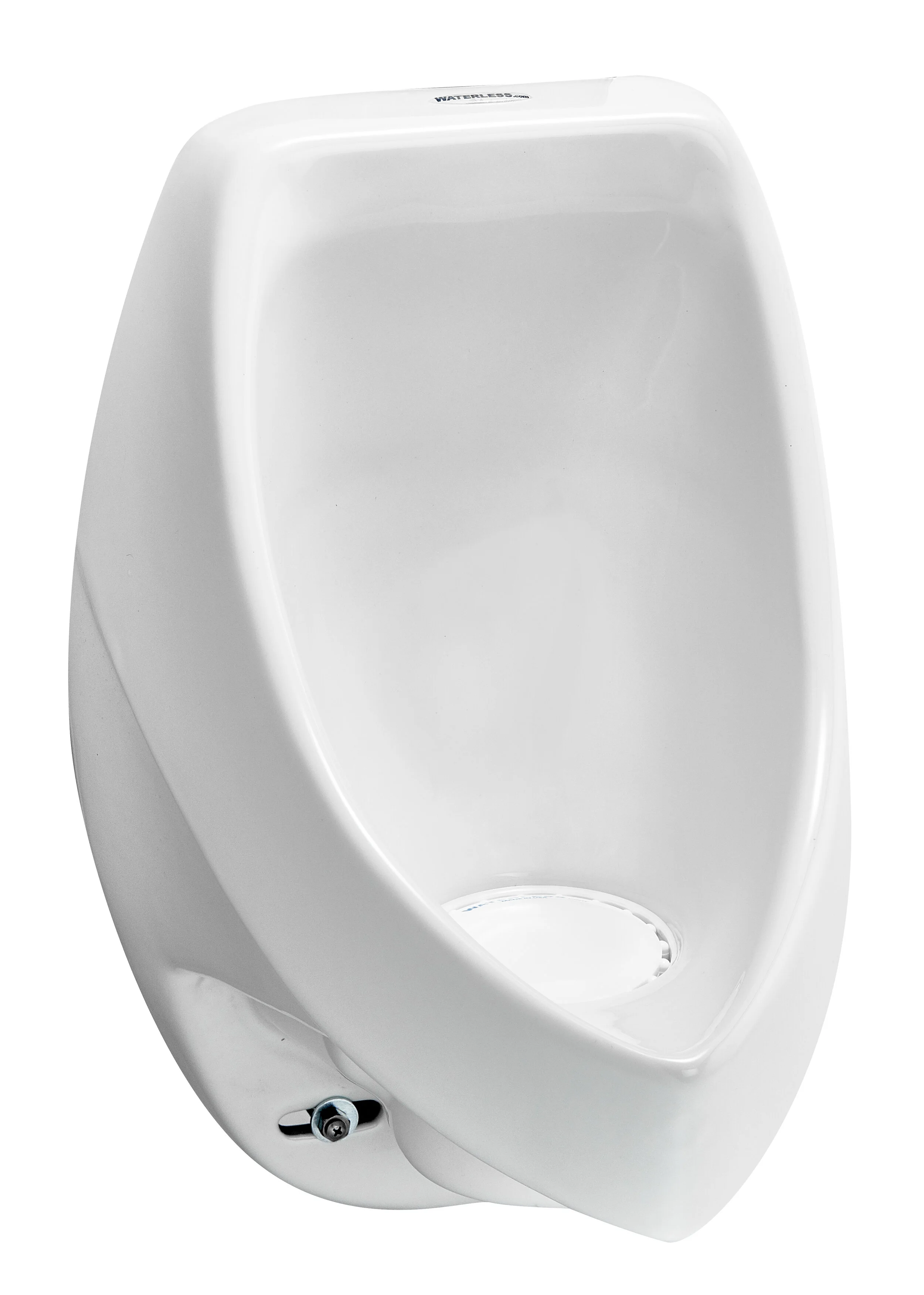
Baja Waterless No-Flush Urinal

"Of course, we are very proud of the Baja," says Klaus Reichardt, CEO, and Founder of Waterless Co.

"It has been our bestselling no-water urinal for years.  We are also grateful it was honored as 'The Best Waterless Urinal of 2020.'"


About Waterless

Waterless Co. Inc. has established a well-respected reputation as being an innovative manufacturer of no-water urinal systems.  Based in Vista, Ca, the company was started in 1991 and is the oldest manufacturer of waterless urinals in North America.  The company’ manufacturers a full line of Waterless No-Flush urinals, cleaning liquids, and cost saving restroom accessories. For more info, email us at info@waterless.com or visit: www.waterless.com 

Why’s There a Fly in the Urinal?

Gentlemen, How Flies and Bees can Improve Your Aim

While this typically does not apply to waterless urinals, water-using urinals often have urinal screens placed at the bottom of the urinal. These urinal screens typically there for two purposes:

1.    For decades, they contained chemicals to help reduce odors, but many of those chemicals are now banned.

2.    They helped prevent larger debris from entering the urinal drain and causing a blockage.

fly on urinal, waterless

But some military operations found other reasons for installing urinal screens. They began placing urinal screens that had a red dot – or many red dots - at the bottom of the urinal. The main reason for this: it encourages guys to improve their aim. 

After all, if sharing a barracks with 20, thirty, or more guys, the urinal area can get pretty messy.  Better aim meant the bathrooms stayed cleaner and more hygienic.

However, in the 1960s, the Dutch army took this a step further. The screens were designed with etched flies of different colors worked into the urinal screen pattern. According to Keiboom Van Bedoff, a Dutch maintenance worker, adding the flies helped guys improve their aim much better.  This was because they now focused their attention on trying to immobilize the flies (even though they were nothing but plastic).

“They now had the ability to use one’s natural gifts and achieve victory over the foe while standing,” he explained. Guys, he felt, can always beat flies. “That’s why urinating on flies is so satisfying.”

However, this idea of adding insect targets to urinal screens actually goes way back. In the 1890s, some urinal screens in Britain were designed with etches of bees, not flies. This became the favored urinal screen target throughout the U.K.

Why bees and not flies is anybody’s guess. But what we do know today is that these types of screens are rarely used. However, based on the appearance of some men’s restrooms today, it might be time to bring them back.

Optimism: Individual & Corporate Water Management

Reflections from Jen

Water management often dominates my thinking during the summer: my county’s reservoir is five minutes from home and I paddle board there as often as I can (hey, at least it’s a healthy addiction). In spring, as snowmelt comes from the mountains, the reservoir fills. By late July, trees that were once firmly on the ground become submerged, and I paddle through water-logged aspen glades. Then, as summer goes on, the level begins its expected drop.

Fotolia_214253158_WaterManagement.jpg

But this summer, following a winter of low snowpack, the water never got as high – and it fell faster than ever. By now, even the bands of teenage cliff-jumpers, who joyfully ignore the “no jumping” signs, have mostly disappeared – there’s just not that much water to jump into.

To read more on this article, click here to visit Environmental Leader.

Cape Town Residents use Half the Amount of Water than Before ‘Day Zero’

Cape Town, South Africa, faces a major water crisis, but the city has managed to stave off Day Zero – that is, the day the city would actually run out of water completely – for the foreseeable future. Still, with “severe climate change looming, the city of 4 million will face a reckoning sooner or later,” writes climate expert Ashley Dawson, a native of Cape Town, in the Washington Post. “And it will not be alone.”

Cape Town’s water crisis – and the city’s response to it – has shown that planning for a drier future needs to be comprehensive, integrated and realistic, Dawson writes.

waterless urinals, cape town drought

But Cape Town has also shown us that such crises can be successfully addressed.

Today, Cape Town residents are using nearly 50% less water than they were in 2015 and reductions are expected to continue, says Klaus Reichardt, CEO and founder of Waterless Co...

To read more on this article, visit Environmental Leader by clicking here.