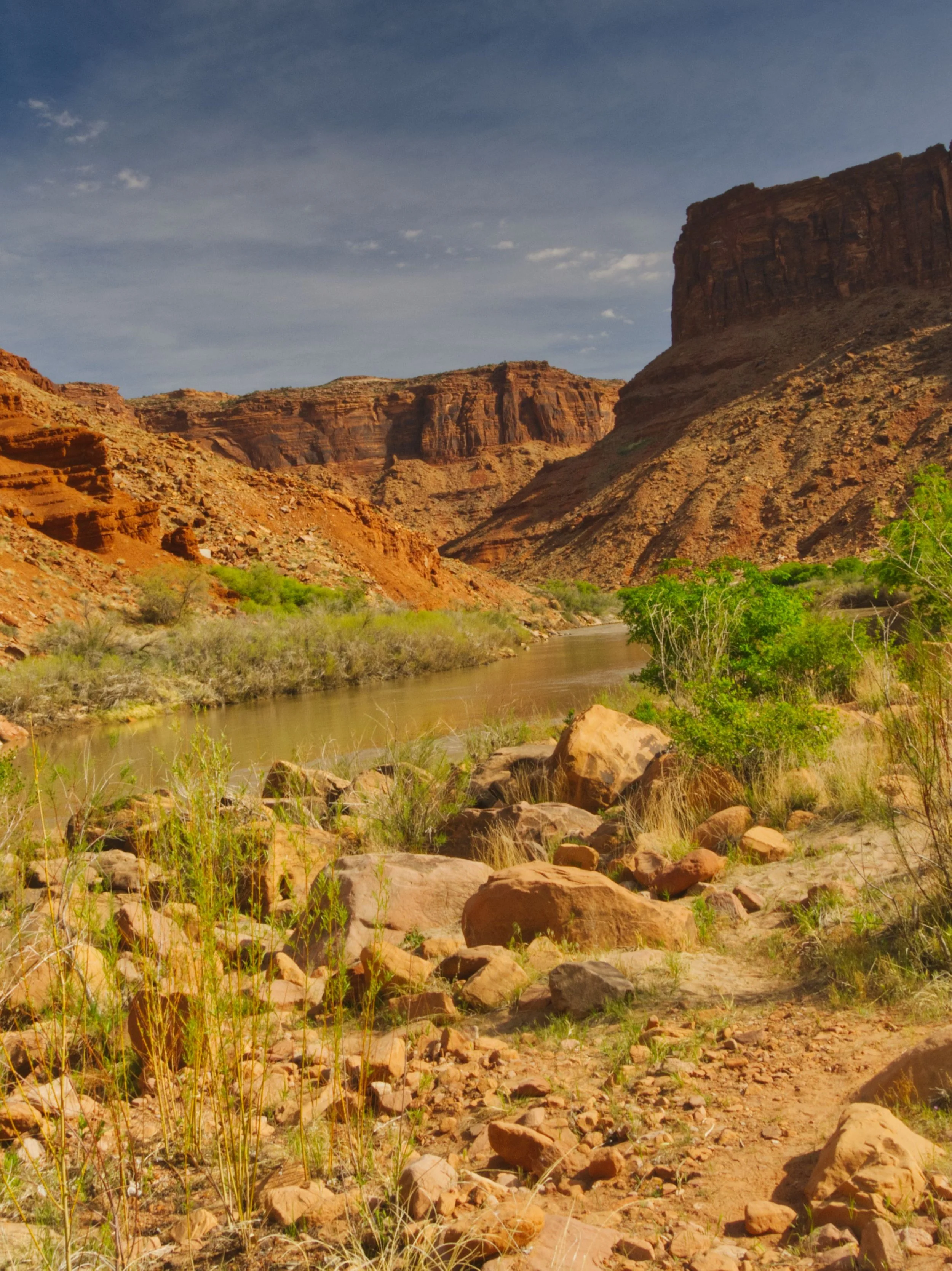
Image by: Abdus Samad Mahkri
Legal disputes cannot create more water. That is the central challenge facing the Colorado River—and a reason businesses should pay attention to water efficiency.
Declining flows and depleted reservoirs are putting pressure on a river that supports cities, farms, tribal nations, and communities in Mexico. The challenge is not simply getting through a drought. It is matching demand to a more limited supply.
Sharing a Shrinking Supply
The 1922 Colorado River Compact established allocations based on assumptions that no longer reflect current conditions. As supplies decline, states face difficult negotiations over how to share the river.
Conservation Has Trade-Offs
Agriculture is central to the response. Paying farmers to leave fields unplanted can conserve water, but reduced production can affect farm revenue, local economies, and food costs.
The goal is to reduce demand without unnecessarily undermining agricultural productivity. That requires a combination of conservation, water reuse, and more efficient infrastructure—not a single solution.
Where Businesses Can Make a Difference
Businesses cannot resolve water-allocation disputes, but they can reduce consumption in their own facilities. Offices, schools, airports, stadiums, and other high-traffic buildings offer opportunities to save water in restrooms, landscaping, cooling systems, and daily operations.
Reduce unnecessary use. Water-efficient landscaping and upgraded plumbing fixtures can lower demand at the point of use.
Reuse water where appropriate. Treated wastewater can serve irrigation, industrial processes, and other approved applications, helping stretch existing supplies.
Evaluate alternative supplies carefully. Desalination and other treatment technologies may complement conservation, but energy needs, infrastructure costs, and operating expenses limit their practicality.
A Practical Example: Waterless Urinals
Waterless urinals eliminate flush-water use. In high-traffic facilities, replacing conventional fixtures can reduce potable-water consumption, water and sewer expenses significantly, along with flush-related maintenance needs.
Actual savings depend on usage, the fixtures being replaced, local utility rates, installation requirements, and maintenance practices. These upgrades will not solve a regional shortage on their own, but they show how businesses can contribute through practical efficiency improvements.
The Bottom Line
The Colorado River’s future depends on realistic water-sharing agreements and sustained investment in conservation, reuse, and efficiency. Cooperation must account for the needs of cities, farms, tribal nations, and downstream communities.
For businesses, the takeaway is clear: reducing unnecessary water use is part of managing operating costs and environmental responsibilities. No single upgrade can solve the crisis, but coordinated action can help the region live within its available supply.
Source note: This article is a rewritten and expanded summary based on a Wall Street Journal article by Faith Bottum, dated October 17, 2026.