Image by Kimmo Vainio
The History & Future of Commercial Urinals: From Ancient Sanitation to Eco-Friendly Innovation
When people picture commercial restroom design, urinals rarely spark much conversation. Yet, behind this everyday fixture lies a rich history of engineering ingenuity, architectural shifts, famous artistic controversy, and ground-breaking environmental science.
From primitive waste channels to sophisticated zero-flush technology, commercial urinals have undergone a dramatic transformation. Today, high-efficiency restroom fixtures play a critical role in sustainable building design, helping facility managers cut utility overhead and meet modern environmental targets.
Here is a look at how urinal technology evolved—and why upgrading your restrooms - and restroom urinals - matters more than ever.
1. Ancient Beginnings: The Surprising Roots of Public Sanitation
Urinals may seem like a modern urban solution, but historical records show that specialized waste systems exist back over a thousand years.
Ninth-Century Innovation: Early archaeological sites in Sri Lanka reveal intricate stone drainage channels created specifically for controlled waste removal and public hygiene.
1830s Parisian Street Fixtures: To combat public health issues, Paris introduced outdoor public urinals known as pissoirs.
The European Standard: By the early 20th century, Paris operated over 1,000 pissoirs, establishing a network of street-level sanitation that inspired public infrastructure across Europe.
2. Moving Indoors: The Evolution of Modern Plumbing
As urban development expanded, waste disposal shifted from public streets into indoor commercial spaces.
While pissoirs were open-air structures built for broad urban cleanliness, modern urinals were designed as fully integrated indoor plumbing fixtures. The introduction of pressurized city water systems allowed architects to standardize dedicated men's restrooms in high-occupancy venues such as educational institutions, corporate offices, transit hubs, and sports arenas.
3. Early Patents & Architectural Materials
Official recognition for urinal engineering took off in 1886 when American inventor Andrew Rankin secured the first recognized patent for a flush urinal—though historical documentation notes that women inventors contributed to earlier, uncredited designs.
Before porcelain became the industry standard, early manufacturers experimented with a wide variety of construction materials:
Pioneer Materials: Early models incorporated wood, cast iron, stone, and sheet glass.
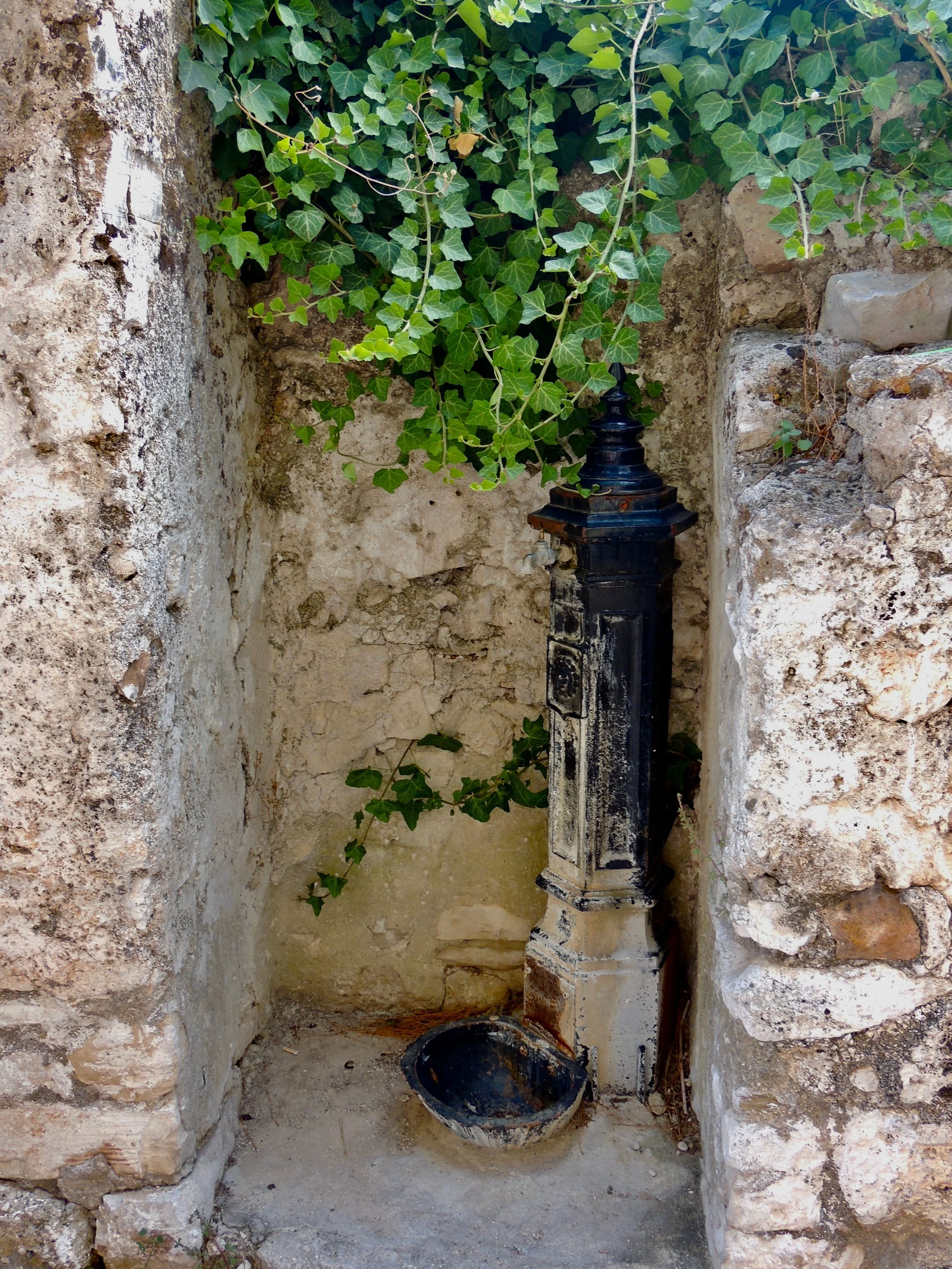
Victorian Craftsmanship: During the mid-19th century, Scottish manufacturers crafted ornate cast-iron units complete with decorative privacy panels, merging functional plumbing with Victorian design principles.
The Ceramic Era: Plumbing engineers eventually adopted non-porous vitreous china and porcelain, which provided superior hygiene, chemical resistance, and ease of cleaning.
4. The Invention of Waterless Urinal
The breakthrough that laid the groundwork for modern eco-friendly restrooms occurred late in the 19th century. German inventor Wilhelm Beetz created the first non-water-using urinal, which relied on a liquid sealant (derived from sesame oil) inside a trap insert. The oil allowed liquid waste to pass through while trapping foul sewer gas beneath the seal.
Though ahead of its time, Beetz’s fluid-trap concept proved that restrooms could maintain high hygiene standards without constant water flushing—a fundamental principle used in non-water fixtures today.
5. From Restroom Fixture to Modern Art Icon
In 1917, the humble urinal made headline history in the art world. Avant-garde artist Marcel Duchamp purchased a standard ceramic urinal, turned it around so the front now faced the wall, signed it with the pseudonym "R. Mutt," titled it Fountain, and submitted it to an art exhibition.
By taking an industrial sanitation product out of its normal context, Duchamp challenged classical views of art, creating one of the most influential and debated works in modern art history.
6. The Rise of No-Flush Technology in Sustainable Architecture
In 1991, Waterless Co., Inc. introduced modern No-Flush™ urinal systems to North America, sparking a massive shift in green building management. Today, waterless fixtures are standard practice for developers seeking LEED certification and ESG (Environmental, Social, and Governance) compliance.
As the climate changes, interest in these urinals extends far beyond green buildings to all buildings seeking to reduce costs and stay ahead of a rapidly changing world.
High-Impact Sectors Adopting Waterless Systems
Corporate & Commercial: Multi-story office towers and corporate headquarters.
Higher Education & K-12: Schools and university campuses with high foot traffic.
Public Infrastructure: International airports, arenas, transit stations, and event spaces.
Healthcare & Life Sciences: Medical centers, outpatient clinics, and research hubs.
Recap: Primary Drivers for Switching to Waterless Restrooms
1. Severe Water Scarcity: Worsening droughts and rising municipal water rates make drinking-water conservation an economic priority.
2. Substantial Utility Savings: Eliminating flush water reduces monthly water bills and minimizes mechanical plumbing failures.
3. Corporate Sustainability: Helps property owners earn points toward green building certifications (such as LEED) and satisfy strict ESG disclosures.
4. Improved Hygiene: Because bacteria rely on moisture to multiply, dry, touch-free waterless urinals foster a cleaner, lower-contact restroom environment.
Did You Know? Replacing just one traditional flush urinal with a high-performance waterless fixture can conserve tens of thousands of gallons of clean drinking water every single year.
Smart Water Management: Why Restroom Upgrades Matter Today
Using expensively treated, drinkable water to sweep away organic waste is a legacy practice that no longer aligns with modern sustainability standards. As population density grows and clean water reserves face ongoing strain, upgrading to high-efficiency restroom fixtures is one of the quickest, most cost-effective ways facilities can reduce their environmental footprint.
Future-Proof Your Facility
The journey from ancient stone channels to modern, no-flush technology shows how innovation transforms everyday infrastructure. Is your building ready to embrace smarter, more sustainable water management?
— Klaus