Building owners and facility managers are prioritizing water conservation more than ever — and much of this shift traces back to hard-won lessons from California and other drought-stricken states over the past decade. Understanding these lessons can help businesses reduce water consumption, lower operating costs, and stay ahead of tightening regulations.
Key Lessons Learned from Drought-Prone States
Water efficiency is a financial priority. The true costs of collecting, storing, delivering, and treating water have risen sharply. For building owners and businesses, reducing water consumption is no longer just an environmental responsibility — it's a bottom-line issue.
Water infrastructure is expanding. Many municipal water districts have increased storage and supply capacity to better withstand future droughts and water shortages.
Regional water sharing is now standard practice. Water shortages are no longer handled locally. When one area faces a deficit, water is redistributed from nearby regions with greater supply — making regional water management a critical tool in drought response.
Water-efficient appliances are the new standard. Advances in technology have significantly reduced water consumption in everyday fixtures and appliances, from dishwashers and washing machines to commercial water-using equipment.
Businesses are embracing water efficiency. Companies across industries increasingly view water conservation as both a corporate responsibility and a sound financial strategy.
Smart irrigation reduces agricultural water use. Variable-rate irrigation systems, scheduling tools, and soil moisture sensors help farmers apply water precisely where and when crops need it — cutting waste and reducing costs.
Water audits are now a “best practice.” Once rare, water audits are now a standard tool for identifying inefficiencies, pinpointing waste, and developing targeted water reduction strategies for commercial and residential properties.
Rebate programs make upgrades more affordable. Federal, state, and local rebate programs provide financial incentives for consumers and facility managers to invest in water-efficient fixtures and systems.
California's Stricter Water Efficiency Standards for Toilets and Urinals
California has gone beyond federal water efficiency mandates to set some of the most stringent plumbing standards in the country. While federal law caps toilet flush rates at 1.6 gallons per flush (gpf) and urinal flush rates at approximately 1.0 gpf, California now requires:
Toilets: No more than 1.28 gpf
Urinals: No more than 0.5 gpf
However, building owners are going even further when it comes to urinals.
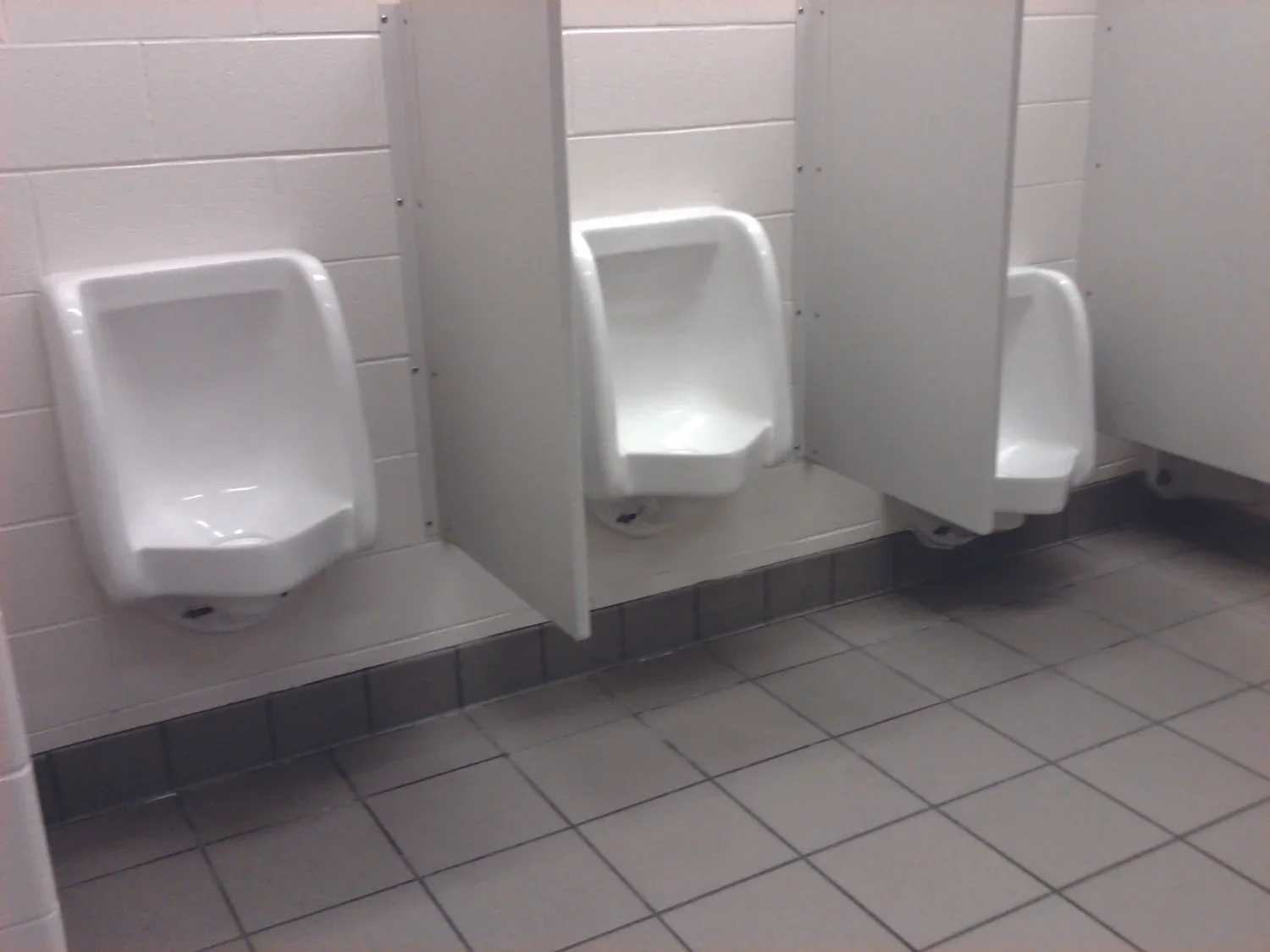
Even at just 0.5 gpf, a traditional urinal still requires a dedicated water supply line, a flush valve (typically sensor-operated), and service repairs, especially due to malfunctioning flush handles.
The Advantages of Waterless Urinals are Clear:
No water supply line required
No flush valve needed
Zero water consumption
Significant long-term cost savings
For building owners looking to reduce operating costs, become more water efficient, and support broader water conservation goals, waterless urinals represent a practical, proven solution.
The Future Doesn't Flush – Clean and Hygienic Waterless No-Flush™ Urinals