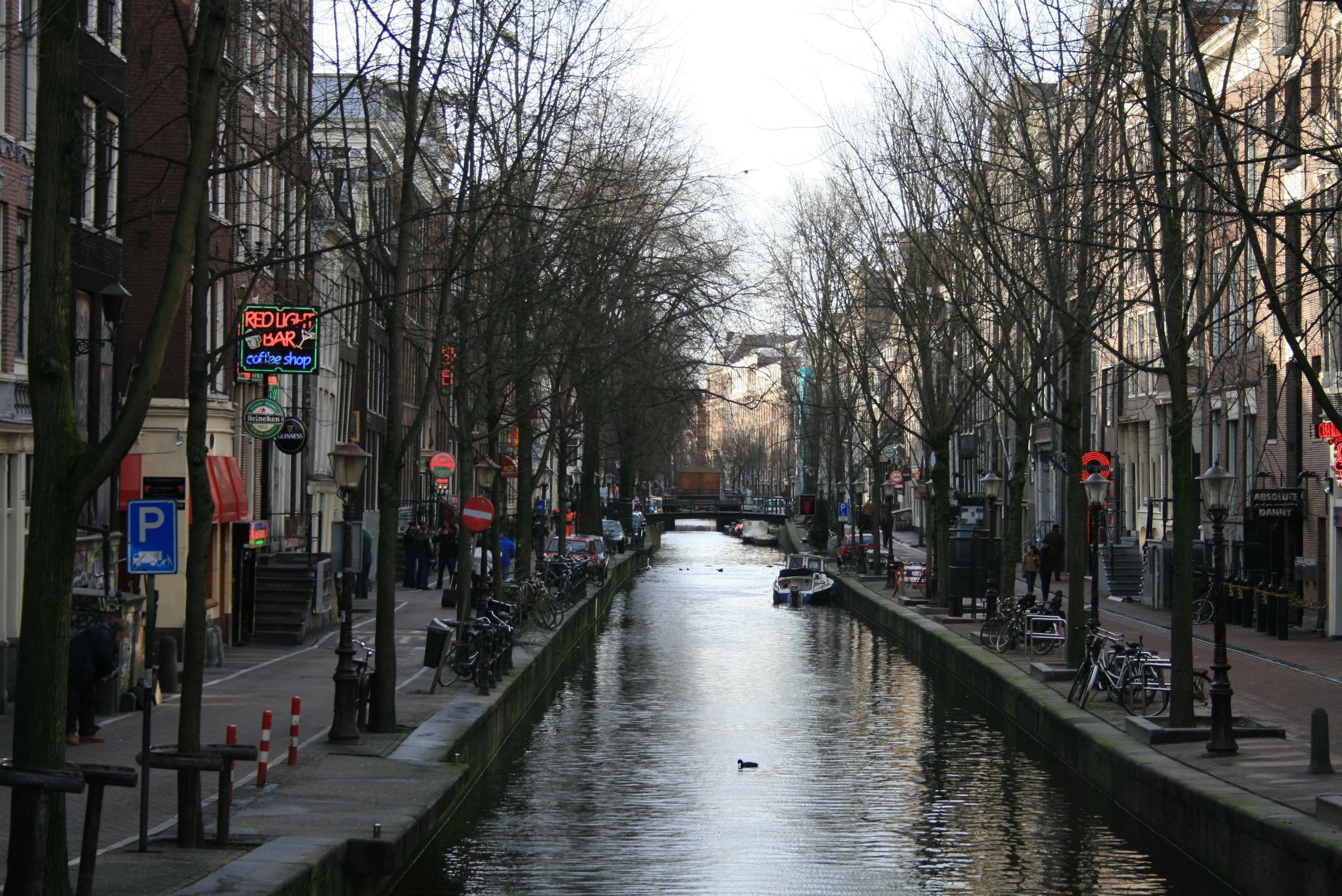
Amsterdam by Li Yew.
Travel can bring plenty of cultural surprises, and restroom etiquette is often one of them. Although many travelers remember to pack tissues or toilet paper for places where supplies, bidets, or plumbing styles may differ, locating a clean and convenient public restroom can be just as important.
Public sanitation looks different from one country to the next. Learning a little about local restroom customs can help travelers stay comfortable, respectful, and compliant with local laws.
Public Restroom Customs Around the World
Amsterdam: Open-Air Urinals
Amsterdam has used open-air urinals for more than a century as a practical response to public urination, particularly in busy nightlife areas such as the Red Light District. These fixtures remain a familiar sight in parts of the city and provide a quick option for people on the go.
Paris: Automated Self-Cleaning Restrooms
Paris is known for its enclosed public toilet pods with automated cleaning systems. After each use, the unit sanitizes itself before becoming available to the next visitor. Users generally have a limited amount of time inside—often up to 20 minutes—before the door automatically unlocks.
London: A Long Public-Sanitation History
London began introducing public toilet facilities in the mid-19th century. Its early facilities commonly provided separate areas for men and women within the same structure, helping establish a model for public sanitation in growing urban centers.
India and China: Modernization Alongside Older Facilities
Major cities in India and China, including Delhi and Beijing, offer many newer and better-maintained restroom options. However, older facilities can still be found in rural areas and smaller communities. In some locations, porous tile, brick, and other aging materials can trap odors after years of frequent use, making sanitation upgrades especially important.
Middle East: Cleanliness-Focused Etiquette
In parts of the Middle East, cultural and religious practices place strong emphasis on personal hygiene and restroom cleanliness. Some men may choose or be encouraged to sit while urinating in private or shared restrooms to reduce splashing and help keep the space clean for others.
United States: Few Public Options and Strict Laws
Open-air public urinals are uncommon in the United States, where public restroom access can be limited in many cities. Public urination is generally prohibited nationwide, and consequences may include fines, citations, or more serious penalties for repeat offenses. Travelers should plan ahead and use designated facilities whenever possible.
Sustainable Restroom Technology
Across the world, waterless urinals are becoming a practical solution for businesses, public venues, and facilities seeking to reduce water consumption and maintenance demands. By operating without flush water, these systems can support improved sanitation while conserving substantial amounts of water each year.
For more information about water-saving restroom products and modern urinal solutions, contact a restroom-efficiency specialist at Waterless Co., Inc.