Image by Luca Zanghierto
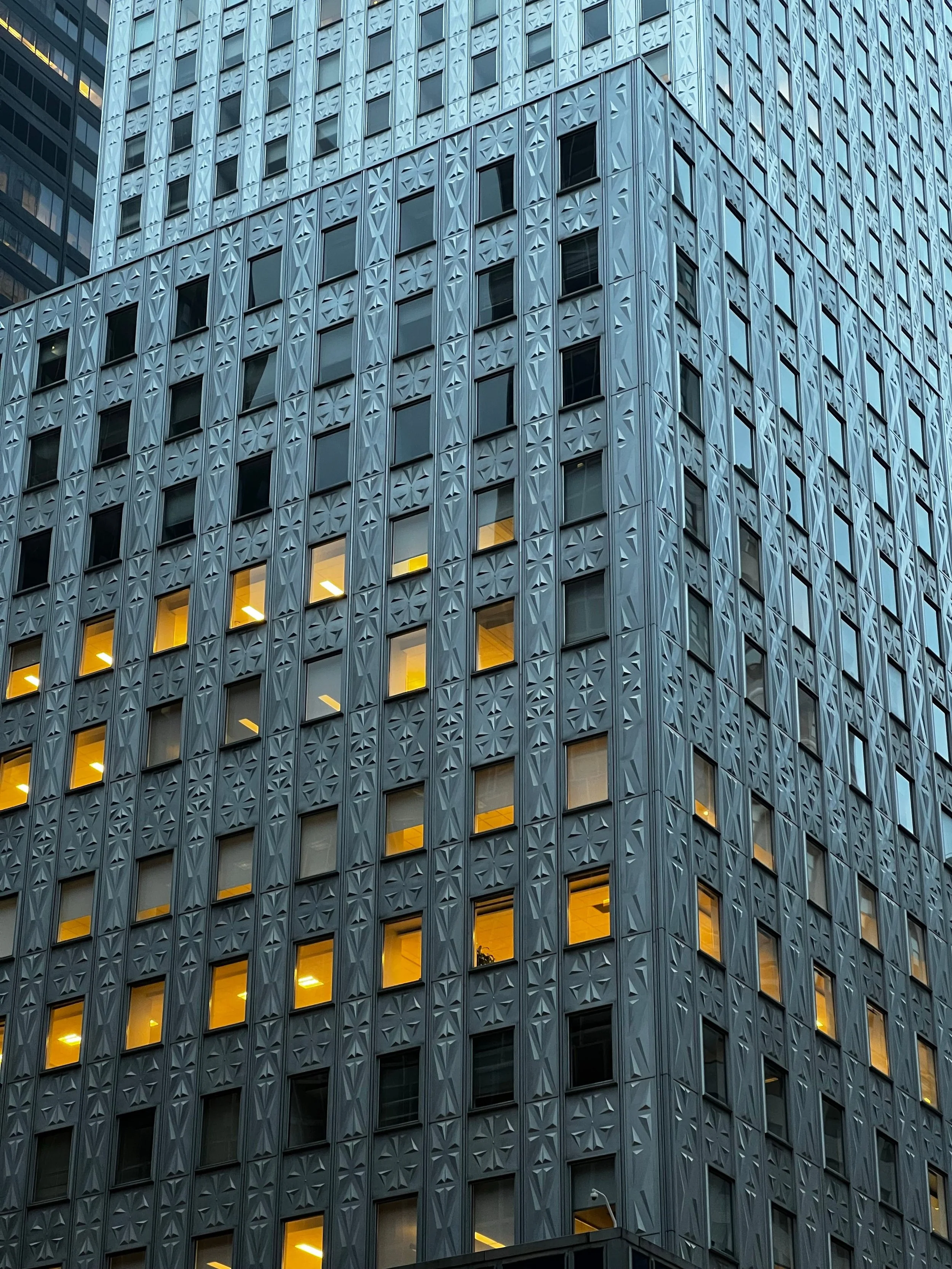
VISTA, CA — November 6, 2026 — Maintaining consistent water pressure throughout a high-rise building is more complicated than it may appear. Employees working on upper floors may experience slow-running faucets or inadequate water flow, while occupants on lower levels encounter excessive pressure.
These inconsistencies are not necessarily signs of a major plumbing failure. They often reflect the challenges of distributing water efficiently throughout a tall commercial structure.
According to Klaus Reichardt, CEO and Founder of Waterless Co., Inc., several factors can influence how well a building's plumbing system performs.
"Water distribution in a high-rise requires more than simply delivering water to the building," Reichardt explains. "The system must account for differences in elevation, changing occupancy demands, and the condition of the plumbing infrastructure. Without proper monitoring and adjustments, pressure problems can develop on multiple floors."
Four Common Causes of Uneven Water Pressure
Building engineers and facility managers should pay particular attention to four conditions that can affect water delivery:
Building Height and Gravity: The higher water must travel, the more pressure is lost along the way. High-rise buildings typically require separate pressure zones, booster pumps, and properly calibrated pressure-reducing valves (PRVs) to maintain adequate flow throughout the structure.
Peak Period Water Consumption: Demand is rarely consistent throughout the day. Morning arrivals, lunch breaks, and employee shift changes can create temporary spikes in water use. When multiple restrooms and other plumbing fixtures operate simultaneously, available pressure may drop in certain sections of the building.
Deteriorating Plumbing Infrastructure: Over time, mineral buildup and corrosion can restrict water movement through pipes. Booster pumps may also lose efficiency, while PRVs that are incorrectly adjusted or no longer functioning properly can contribute to pressure fluctuations.
Municipal Water Supply Variations: Commercial buildings are also affected by conditions outside their walls. Changes in municipal supply pressure, nearby construction, utility maintenance, and fluctuations in community demand can influence the water entering a property.
A Proactive Approach to Water Management
Rather than waiting for occupant complaints, property managers can take steps to identify pressure problems early. Periodic inspections, pressure testing during high-demand hours, booster-pump maintenance, and routine PRV adjustments can help keep plumbing systems operating as intended.
Water efficiency is another consideration. Reducing unnecessary water consumption can help ease demand on a building's plumbing infrastructure, particularly during periods of heavy use.
"Improving water efficiency is about more than reducing monthly utility bills," Reichardt says. “For commercial buildings, combining regular plumbing maintenance with water-efficient restroom fixtures can support more consistent operations while helping control long-term water and wastewater costs.”
###
About Waterless Co., Inc.
Founded in 1991 and headquartered in Vista, California, Waterless Co., Inc. manufactures waterless urinals and restroom products that help facilities reduce water consumption, lower operating costs, and simplify maintenance. Its products are installed in commercial, institutional, educational, and government facilities worldwide. www.waterless.com
Media Contact:
Robert Kravitz, robert.kravitz@outlook.com