
Waterless urinal systems rarely require plumbing repairs. In fact, some busy campus bars and restaurants have switched to waterless systems just for this reason.
The Primary Reason Schools Install Waterless Urinals
Cross Contamination, Health, and Industrial Facilities
California's Water Strategy... from lessons learned by Orange County
Water is a serious issue for the cities of the world. Even in a wealthy nation such as the United States, people die from toxic water in Flint, Michigan, confront megadroughts in Los Angeles, face salinated aquifers in Miami and worry in Omaha about oil pipeline spills in the Ogallala aquifer. The American Society of Civil Engineers (ASCE) in its annual U.S. infrastructure report card gives U.S. drinking water a grade of D. Water is the greatest challenge in resiliency planning.
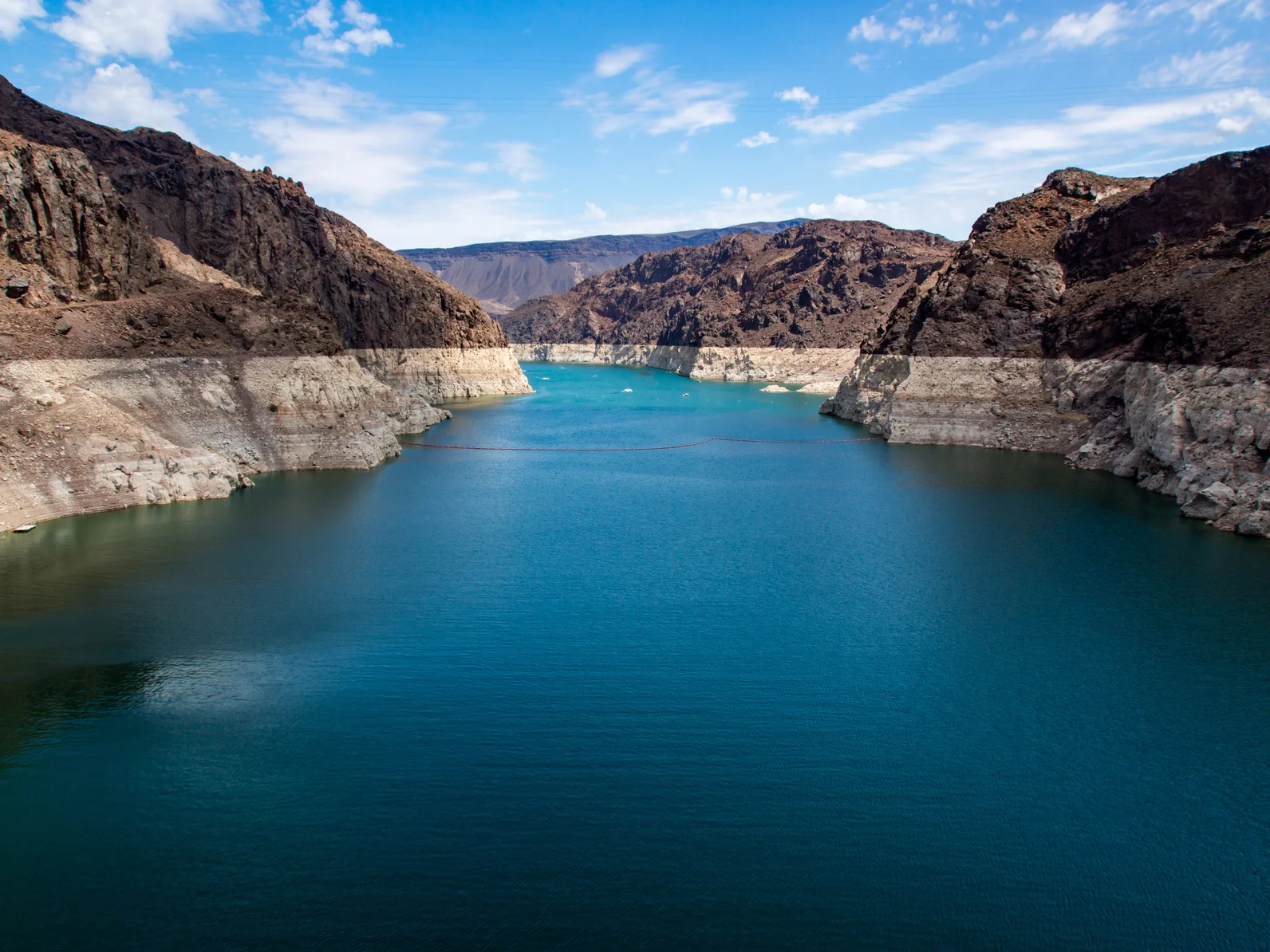
Southern California heavily depends on water from the Colorado River. Recent droughts have caused water levels at the Lake Mead, our nation's largest reservoir, to drop over 100 feet. Shockingly, the lake is at only 38 percent of capacity. It is only 4 feet above the legal emergency level of 1,075 feet. With droughts come more frequent and intense wildfires. For the past five years, California has experienced wildfires 12 months per year.
To read more from this article on GreenBiz.com, click here.
Waterless Co Helps Sponsor Next Green Sports Alliance Event
Happy Holidays from the Waterless Co.!

Wishing You all the
Hope, Wonder, and Joy
that the Season can bring!
Use Grey Water Properly with These Six Rules
Let's Raise Awareness About Water Conservation

Laundry industry under pressure to reduce water use
Billions of people still lack basic sanitation. Why?

Hi-tech loos that use little or no water and can recycle waste products safely and sustainably promise to give billions of people around the world access to much-needed sanitation. So why do so many still lack this basic amenity?
About 2.3 billion people still lack basic toilets, according to the World Health Organization (WHO). And 4.5 billion don't have safely managed sanitation, with waste disposed in a way that won't contaminate drinking water.
Each year contaminated water kills half a million children under five through diarrhoeal diseases, the WHO says.
So many inventors, entrepreneurs and research institutions around the world have been working on hi-tech loos that can function without the need for expensive mains sewerage systems.
To read more from the BBC website on this article, click here.