
In most cases, water risk, water scarcity, and water stress all relate to the same thing: water challenges that can be short or long-term
Two Words We Don't Want to Hear in the Water Pipeline
Wonder How Las Vegas Saves Water in the Middle of the Desert?
A Quick Reference Guide: Why Install Waterless Urinals?
The Mental Health Impacts of Droughts on Rural Populations
Why are water costs rising across the U.S.?
Each glass of water, shower or flush costs far more than it did just eight years ago — and your water is bill is likely to go up again in 2019.
The average water and sewer bill in 50 cities jumped 3.6% this year, marking the eighth consecutive year of increases, according to a recent annual study from Bluefield Research. Since 2012, water bills have surged 31%, outpacing inflation.
This year, the typical household will pay $104 per month for water and wastewater services, the Boston-based company said. That's a faster pace than increases in prices for most groceries or gasoline, based on recent data from the Bureau of Labor Statistics.
To read more on the CBS News Website, click here.
Improving this Country’s Water Infrastructure One Baby Step at a Time
The Most commonly asked questions regarding waterless urinals
As the oldest manufacturer of waterless urinals in North America, Klaus Reichardt, CEO and founder of Waterless Co., says he has heard just about every question imaginable about the devices.
Years ago, he says, the questions were more elementary, like:
• How do they work?
• How much water can they save?
• How do you use them?
However, today, building owners know more about waterless urinals and have “far more weighty questions.”
To read more, click here to get to the full article on Bath & Kitchen Pro.
How a Waterless Urinal Became the Life of the Party

A young couple had recently moved to Colorado and after a few months, decided to have a small party. They invited their co-workers and some of the people they had met so far. The couple did not know most of these people very well. It did not matter. Their goal was to get to know everyone better and become a part of the community.
Not only did the young couple not know their guests very well, the same was true for about everyone at the event. This made for considerable stumbling around as everyone was introducing themselves and attempting to "break the ice."
However, suddenly everything changed – for the better.
One of the male guests went into the bathroom and reported, "I almost ran out of the bathroom because I was so excited to tell everyone about what I just discovered!"
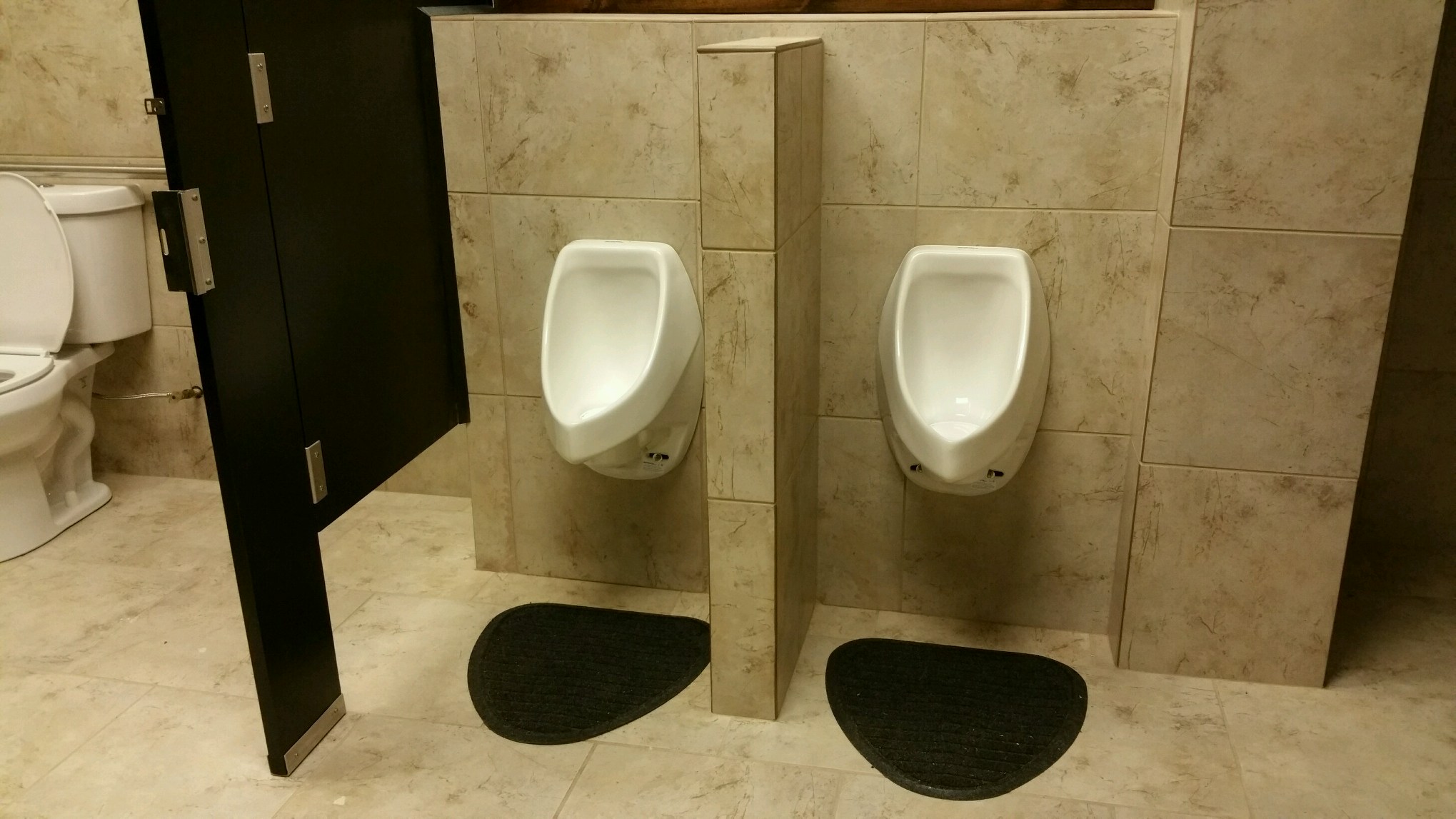
What he had just discovered was a waterless urinal installed in the bathroom.

"I never thought of installing a urinal in a house," says the guest. "For the rest of the evening, everyone was talking about how interesting it was to see a urinal in a home, and the hosts kept bragging about all the great benefits. Maybe not ideal conversation at the dinner table, but….."
One of the benefits the hosts mentioned was that it was a waterless urinal. Because its waterless, the urinal is much less expensive to purchase and install compared to a water-using urinal, simply because there is less plumbing involved.
However, the significant benefit is how much water it saves. While there are no savings estimates for waterless urinals installed in homes, in commercial facilities, they can save about 35,000 gallons of water per year if not more.
In Colorado, reducing water consumption is becoming a high-priority. In most parts of the state, this is the first summer when no drought emergencies have been called - but that can all change next year.
Because of past droughts, many cities in the state are working to educate their citizens on ways to reduce water consumption. For instance, many have "Water Savings Wednesdays." Citizens are encouraged not to water their lawns, or wash their cars, and look for ways they can save water throughout the week.
Installing a waterless urinal takes this a step further. Installing a waterless urinal is one way to save water throughout the year.
For more information on the savings possible with waterless urinals, contact a Waterless Co Specialist.
Why Is There a J Under My Sink?

Stop whatever you are doing right now and look at the plumbing under the sink in your home or office. If you can see a pipe, you will notice that it is in the shape of a J or a U.
OK, so you’ve likely seen this before, but have you ever wondered why it’s shaped that way?
The “U Bend,” as it was initially called, was developed in 1880. Whether it is in the shape of a U, a J, or even a P does not matter. These kinds of pipes are known as traps in the plumbing industry, and they are designed to prevent sewer gases from entering a bathroom or restroom.
The way they work is quite simple. Because of their design, they retain a small amount of water after each use of the fixture. This water creates a seal that blocks out sewer gases, preventing them from being released into the restroom. Similar traps are used in almost all plumbing fixtures, including sinks, bathtubs, toilets, showers, and floor drains.
For the most part, this simple little design has worked well for more than a century on all these kinds of fixtures except one: the floor drain. Whereas kitchen and restroom sinks, toilets, and showers are used enough to keep water in the trap, the water in floor drainpipes can and does evaporate from time to time. When this happens, offensive sewer gases can be released into the room.
Historically, this has been a serious problem for many facility managers and cleaning professionals. It often takes some time to realize that these odors are coming from the floor drain. Often a detailed cleaning is performed as a result of these complaints; however, if the real source of the problem is a floor drain, the odors will persist.

When the floor drain is finally identified as the problem, there are two relatively easy ways to address this:
· Pour water down the drain on a set schedule—say once per week.
· Pour a chemical known as “everprime” down the floor drain.
Everprime is biodegradable, inexpensive, and designed to withstand extreme temperatures without evaporating.
Many school districts use it. Custodians pour Everprime down floor drains to keep traps sealed during the summer months. Further, Everprime can last a year or longer without evaporating, essentially eliminating odor problems caused by evaporation from floor drains on an annual basis.
For more information on how to keep restrooms odor free, contact a Waterless Co Specialist