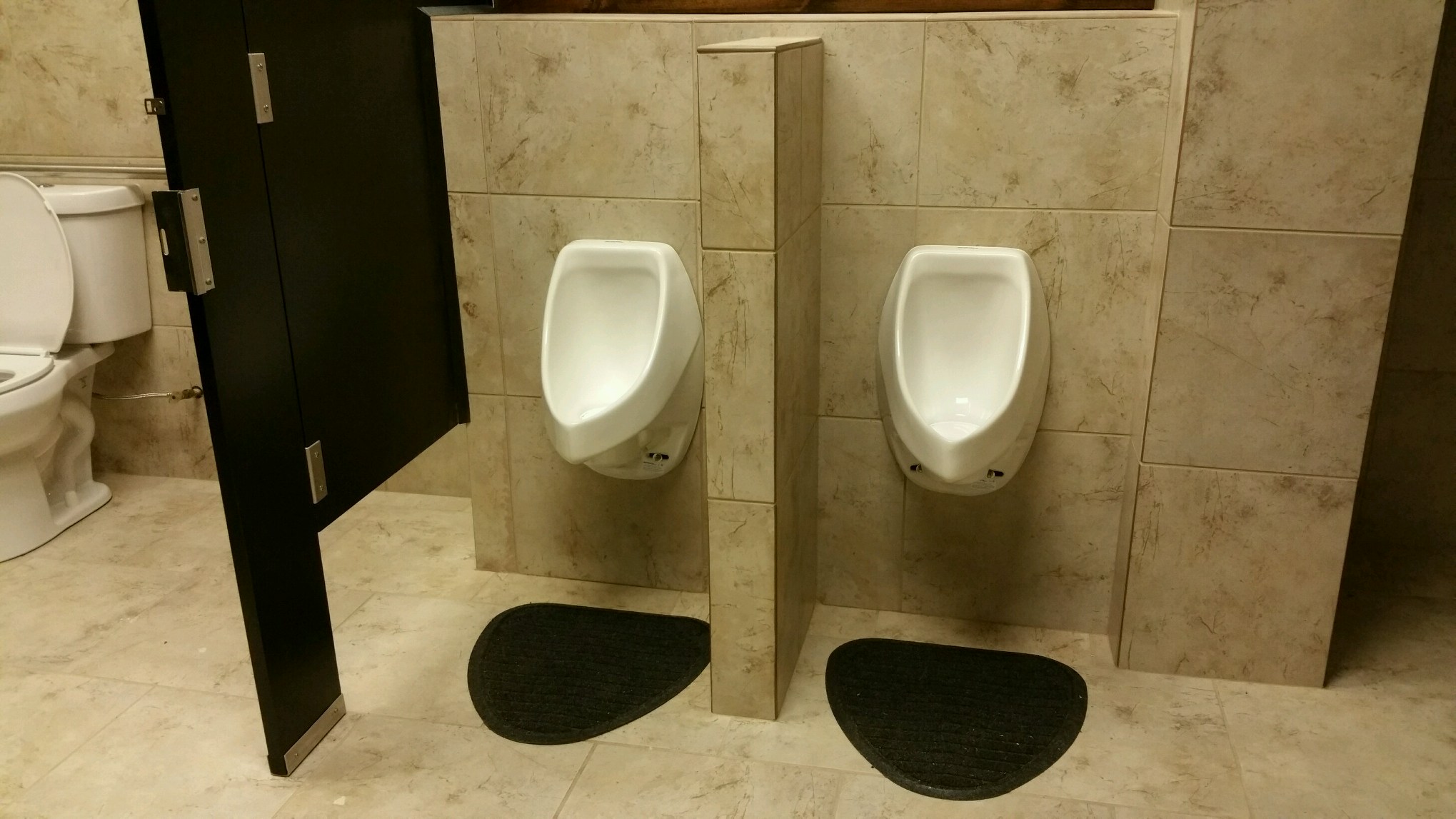

Waterless urinals are helping to save water, reduce the need for more water infrastructure, and along with it, saving tax dollars, and protecting the environment.
Chula Vista Students learn about everything water
Do Water Risk, Water Scarcity, and Water Stress All Mean the Same Thing?
Two Words We Don't Want to Hear in the Water Pipeline
Wonder How Las Vegas Saves Water in the Middle of the Desert?
A Quick Reference Guide: Why Install Waterless Urinals?
The Mental Health Impacts of Droughts on Rural Populations
Why are water costs rising across the U.S.?
Each glass of water, shower or flush costs far more than it did just eight years ago — and your water is bill is likely to go up again in 2019.
The average water and sewer bill in 50 cities jumped 3.6% this year, marking the eighth consecutive year of increases, according to a recent annual study from Bluefield Research. Since 2012, water bills have surged 31%, outpacing inflation.
This year, the typical household will pay $104 per month for water and wastewater services, the Boston-based company said. That's a faster pace than increases in prices for most groceries or gasoline, based on recent data from the Bureau of Labor Statistics.
To read more on the CBS News Website, click here.
Improving this Country’s Water Infrastructure One Baby Step at a Time
The Most commonly asked questions regarding waterless urinals
As the oldest manufacturer of waterless urinals in North America, Klaus Reichardt, CEO and founder of Waterless Co., says he has heard just about every question imaginable about the devices.
Years ago, he says, the questions were more elementary, like:
• How do they work?
• How much water can they save?
• How do you use them?
However, today, building owners know more about waterless urinals and have “far more weighty questions.”
To read more, click here to get to the full article on Bath & Kitchen Pro.