
The Kyle, TX Dilemma: Boom vs. Drought Crisis
Kyle, Texas, located in the dynamic corridor between Austin and San Antonio, is one of the fastest-growing cities in the U.S. Attracting major investment from companies like Amazon and fueled by the nearby Tesla mega-factory, Kyle is the definition of a modern boom town, boasting low taxes and massive development potential.
However, this explosive growth is facing an existential threat: the potent forces of extreme heat and water scarcity.
The Looming Crisis: Heat, Drought, and Foundation Failure
Kyle's rapid expansion is colliding head-on with changes in our climate, as reported in The Wall Street Journal:
Relentless Heat: Soaring temperatures are making life a daily struggle, forcing residents indoors and limiting outdoor activity, impacting quality of life.
Worsening Drought: The region is projected to experience drought conditions for 3-4 months every year through 2040. Creeks are drying up, and faster evaporation due to higher temperatures is accelerating the water shortage.
Infrastructure at Risk: The parched soil beneath hundreds of new homes is causing foundations to buckle, forcing residents to use precious, scarce water to moisten the ground and protect their houses.
Escalating Water Demand Outstrips Supply
The statistics reveal a critical, escalating imbalance in Kyle's water system:
Demand is rapidly outpacing the city's ability to supply water to its growing population and businesses.
The cost of water is rising, yet it still fails to cover the true costs of treatment and delivery.
Concerns that the shared Edwards Aquifer (supplying San Antonio and Austin) could run dry within 10-20 years
The city is using over 4,000 additional gallons per minute compared to 2022
Sustainable Solutions: Water Efficiency is the Key to Survival
To mitigate this looming crisis, Kyle has taken steps, including purchasing temporary water rights and investing $250 million in a delayed pipeline project. However, long-term sustainability requires a shift toward aggressive water efficiency.
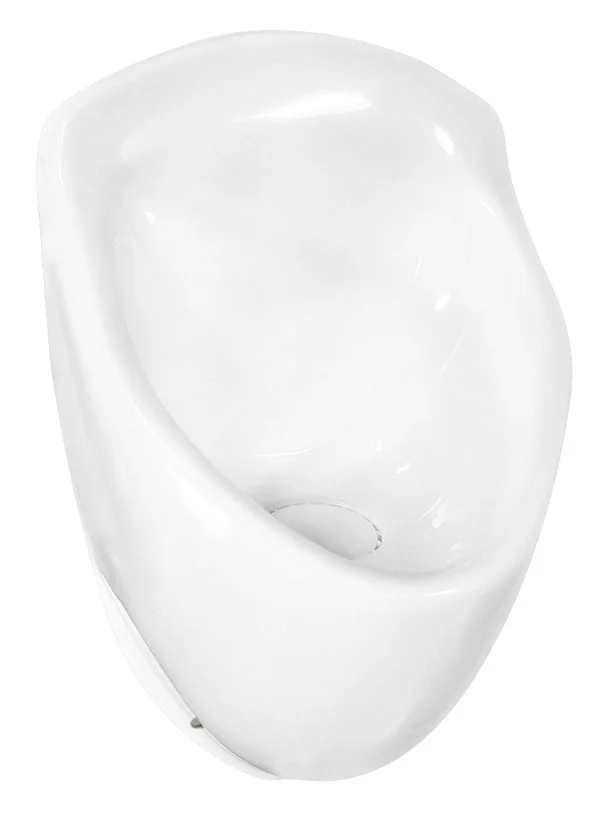
Waterless Urinal from Waterless Co., Inc.
Cities in the Southwest facing similar challenges have successfully implemented water-saving technologies. Chief among them are No-Water (Waterless) Urinals. These proven systems helped minimize water consumption, saving millions to billions of gallons of water and offering a healthy, effective alternative to conventional urinals.
By embracing responsible water use, adopting water-saving technologies, and exploring ways to eliminate water consumption altogether, Kyle and other fast-growing cities can secure a reliable water supply and ensure their economic boom doesn't end in a bust.
Klaus Reichardt is CEO and founder of Waterless Co, Inc., a pioneer in advancing water efficiency. He can be reached at klaus@waterless.com.
Here are the key benefits of installing waterless urinals
While the primary benefit of waterless urinals is the significant water efficiency they provide, their advantages extend across financial, operational, and hygiene aspects, making them a top choice for commercial facilities and green buildings.
💰 Financial and Operational Savings
Beyond the water bill, waterless urinals save money in several ways:
Massive Water Bill Reduction: Each conventional urinal replaced with a waterless unit can save 26,000 to 35,000 gallons of water annually. In a large facility, this reduction translates into substantial savings on monthly water and sewer charges.
Lower Maintenance Costs:
They have no flush valves, cisterns, or electronic sensors to repair, which are common failure points in traditional urinals.
The elimination of the water-urine mix drastically reduces drain line clogs caused by calcification (uric acid salts reacting with water).
Faster and Cheaper Installation (Retrofits): Since they require no water supply pipes or flush valve hardware, they are simpler, faster, and less expensive to install during new construction or a restroom retrofit.
Reduced Energy Consumption: Less water is being demanded, pumped to the facility, and treated as wastewater, which indirectly lowers the building's overall energy footprint and utility costs.
✨ Improved Hygiene and Odor Control
Contrary to common misconceptions, waterless urinals can provide a cleaner and better-smelling restroom:
Better Odor Control: The specialized drain cartridges use a liquid sealant (or a one-way valve) that is lighter than urine. This sealant creates an effective barrier that traps sewer gases and odors in the drainpipe, preventing them from entering the restroom.
Less Bacteria Growth: Traditional flushing urinals leave a moist environment that promotes the growth of odor-causing bacteria. Waterless urinals remain dry between uses, creating a less hospitable environment for germs and bacteria to thrive.
Touch-Free Operation: Since there is no flush handle or sensor, they are naturally touch-free, minimizing the spread of communicable diseases.
Reduced Splatter: The lack of a forceful flush eliminates the potential for the aerosolized spread of germs often associated with flushing fixtures.
🌿 Sustainability and Green Building Credentials
For organizations focused on their environmental impact, waterless urinals offer significant benefits:
Wastewater Reduction: By eliminating flushing, they significantly decrease the volume of wastewater requiring treatment.
LEED and Green Building Compliance: Installing waterless urinals directly contributes to earning points and credits for LEED (Leadership in Energy and Environmental Design) and other green building certifications, enhancing the facility's sustainability profile.