Get ready to plunge into the fascinating, sometimes funky, history and function of your bathroom. We're answering the four questions about plumbing and potties that everyone wonders about!
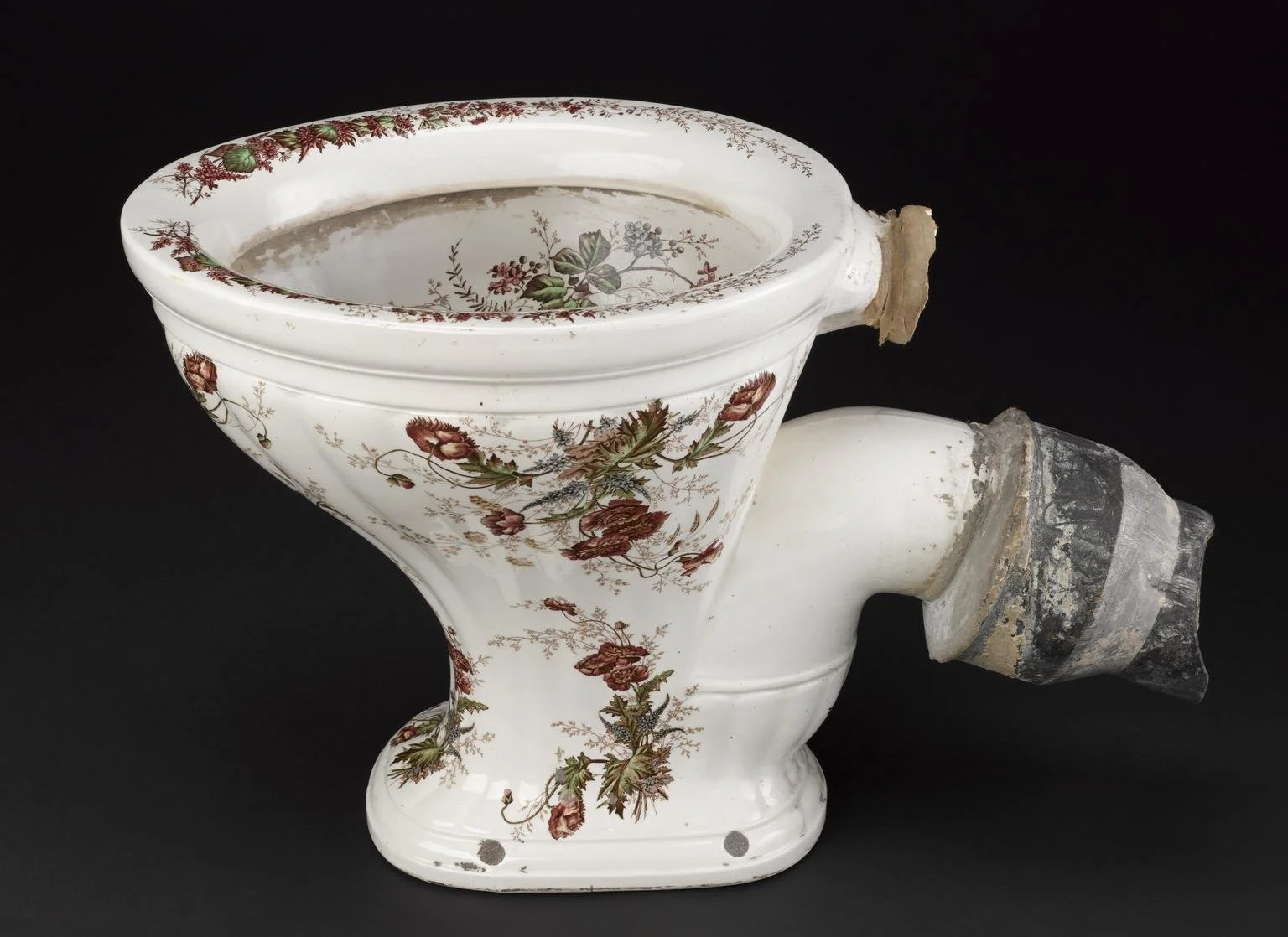
Image Courtesy Science Museum Group of the UK
🚾 The Water Closet: More Than Just a Toilet
The term Water Closet (WC) is a true historical marvel. Dating back to the 16th century, the WC marks a huge step forward in indoor sanitation—a glorious jump from outdoor outhouses to the comfort of modern, integrated plumbing.
A Royal Flush: Initially, these ornate contraptions were status symbols, reserved only for royalty and the wealthy.
American History: The first known WC in the U.S. was installed around 1765 at Whitehall, the home of Maryland's colonial governor.
Presidential Plumbing: In 1804, Thomas Jefferson had two cistern-fed water closets installed in the White House. Fun fact: This was a full three decades before water for drinking and bathing was piped in!
Today, we still use the term WC in architecture, often to describe a small, separate room that houses just the toilet, a dedicated space for your porcelain throne!
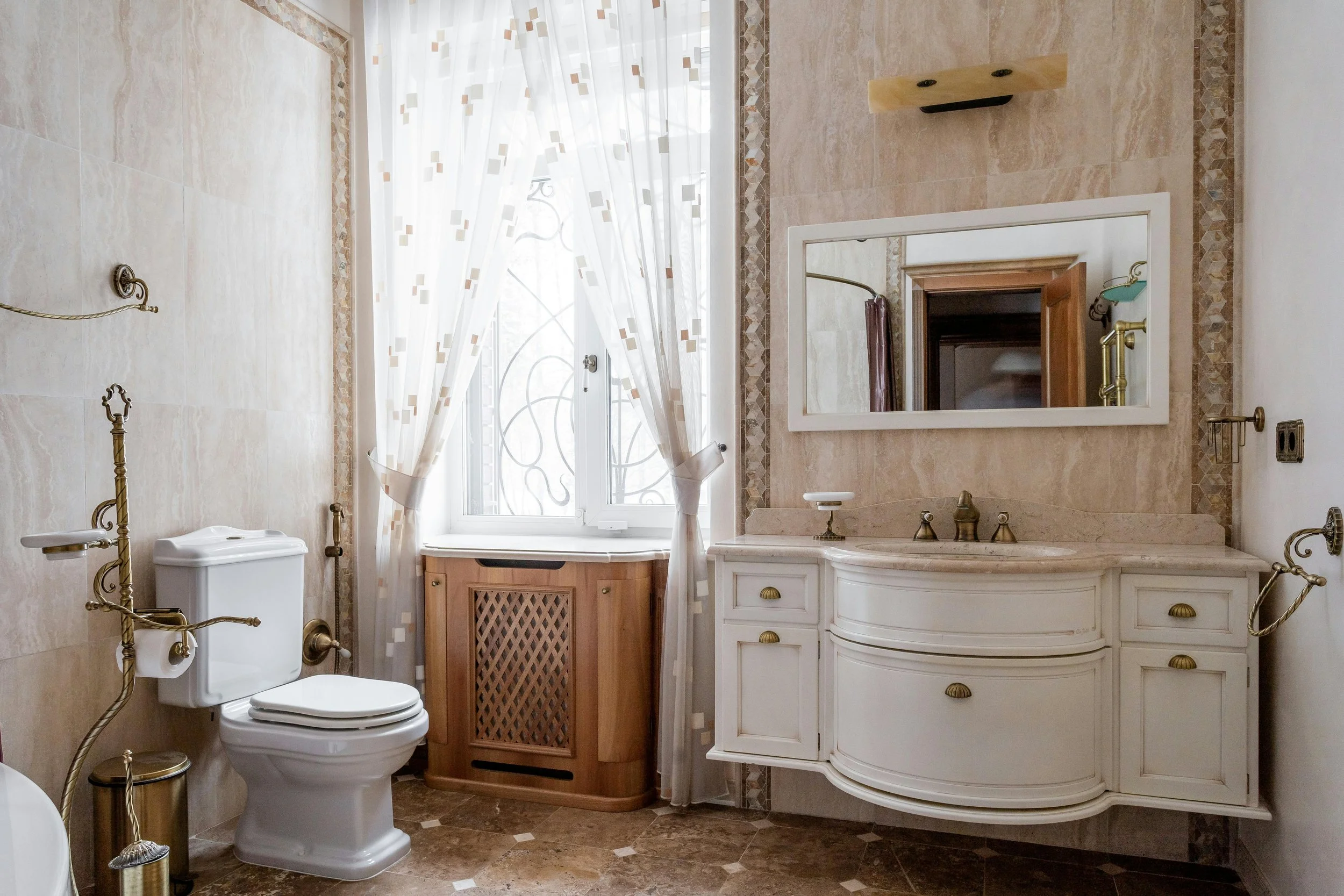
Image by Anah Anoerb found on Prexels
🚽 Why are Some Toilets Called a "John"?
Toilets have had many nicknames over the centuries, from the formal "lavatory" to the playful "loo," "potty," and the less flattering "crapper." But the enduring, friendly name is "John."
One theory traces the term back to "jack" or "jake," medieval slang for a privy or a hole used for waste.
However, the most popular and celebrated theory credits a true hero of hygiene: Sir John Harington (1561-1612).
The Inventor: Sir John, a godson of Queen Elizabeth I, is credited with inventing an early version of the flushing toilet with a water-fed cistern.
The Honor: He installed his invention in royal homes. The nobility, in a nod to the inventor, began affectionately referring to the new device as a "John." So next time you're on the John, give a silent thanks to Sir John Harington!
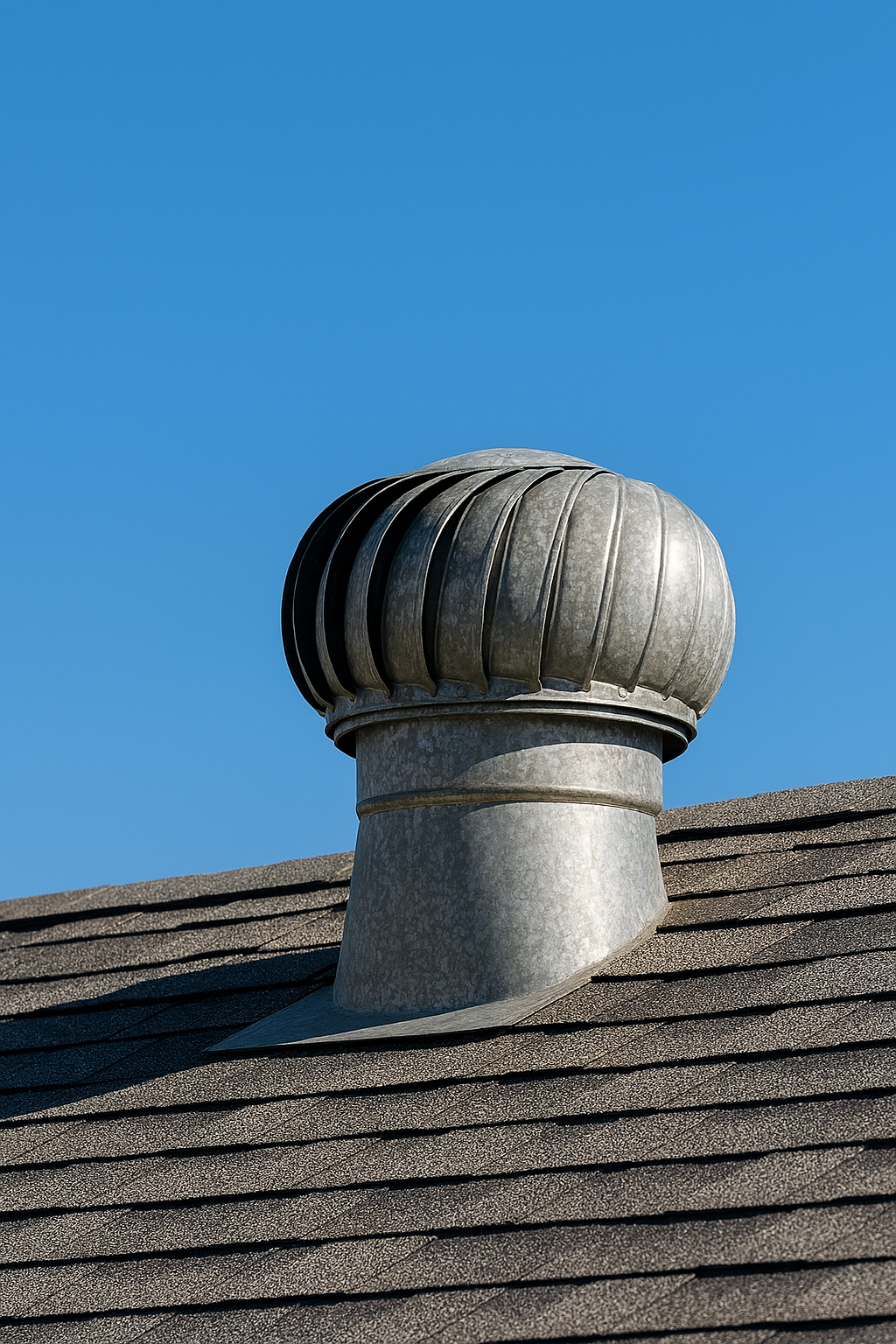
Image made by AI
💨 Rooftop Vent Stacks: The Plumbing System’s Lungs
Ever wonder why there's a pipe sticking out of your roof? That's the vent stack! It's one of the most critical, yet often forgotten, components of your residential or commercial plumbing system.
The vent stack (a vertical pipe connected to all the drains) performs two essential jobs:
1. Releasing Sewer Gas: It provides a safe escape route for smelly, and potentially hazardous, sewer gases (like methane and hydrogen sulfide) that accumulate in the drainage pipes.
2. Air Flow Regulation: It allows fresh air into the system. Without this air, the water trying to drain would create a vacuum, leading to gurgling sounds and slow-draining water.
⚠️ Troubleshooting Tip: If your home or facility suddenly develops a foul odor or your water takes forever to drain, the problem might not be a drain clog below the sink—it's likely a clogged vent stack on the roof! Getting debris cleared from the top of the stack often solves the problem instantly.
♨️ Protecting the Water Seal: Why P-Traps Dry Out
You know that curved pipe under every sink, shower, and floor drain? That's the P-Trap (or U-Trap). It's ingeniously designed to hold a small amount of water—the water seal—which acts as a barrier to prevent nasty sewer odors and gases from entering your space.
The Danger of Evaporation: P-traps are dependable, but they can dry out, especially in hot, arid environments or when drains are used infrequently (like in guest bathrooms, vacant units, or seasonal facilities).
Harmful Fumes: When the water seal evaporates, it releases unpleasant and potentially health-risking fumes into your indoor air.
🚫 A Word on Myths: Decades ago, some believed pouring bleach down the drain was a fix. Do not do this! Bleach can react dangerously with sewer gases to create hazardous chemical fumes.
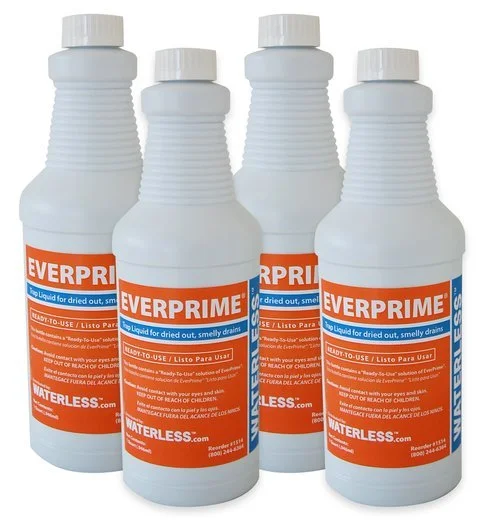
✅ A Safe and Convenient Solution: If you have drains that are used infrequently, a safe solution is to use a biodegradable liquid, such as Everprime, to maintain the water seal. Just a few ounces poured down the drain can maintain the water seal for extended periods, providing peace of mind and ensuring a pleasant, healthy, and odor-free environment.

What is Waterless Co., Inc?
Waterless Co., Inc., founded in 1991, has proven to be a pioneer in water efficiency. The company introduced no-water urinals to North America and has since been dedicated to helping facilities reduce water consumption. Today, it is widely recognized as the go-to company for innovative waterless urinal solutions and expert advice on water efficiency in commercial plumbing systems.
For more information on reducing water consumption and ensuring optimal plumbing maintenance, contact a Waterless Co., Inc. Specialist today.