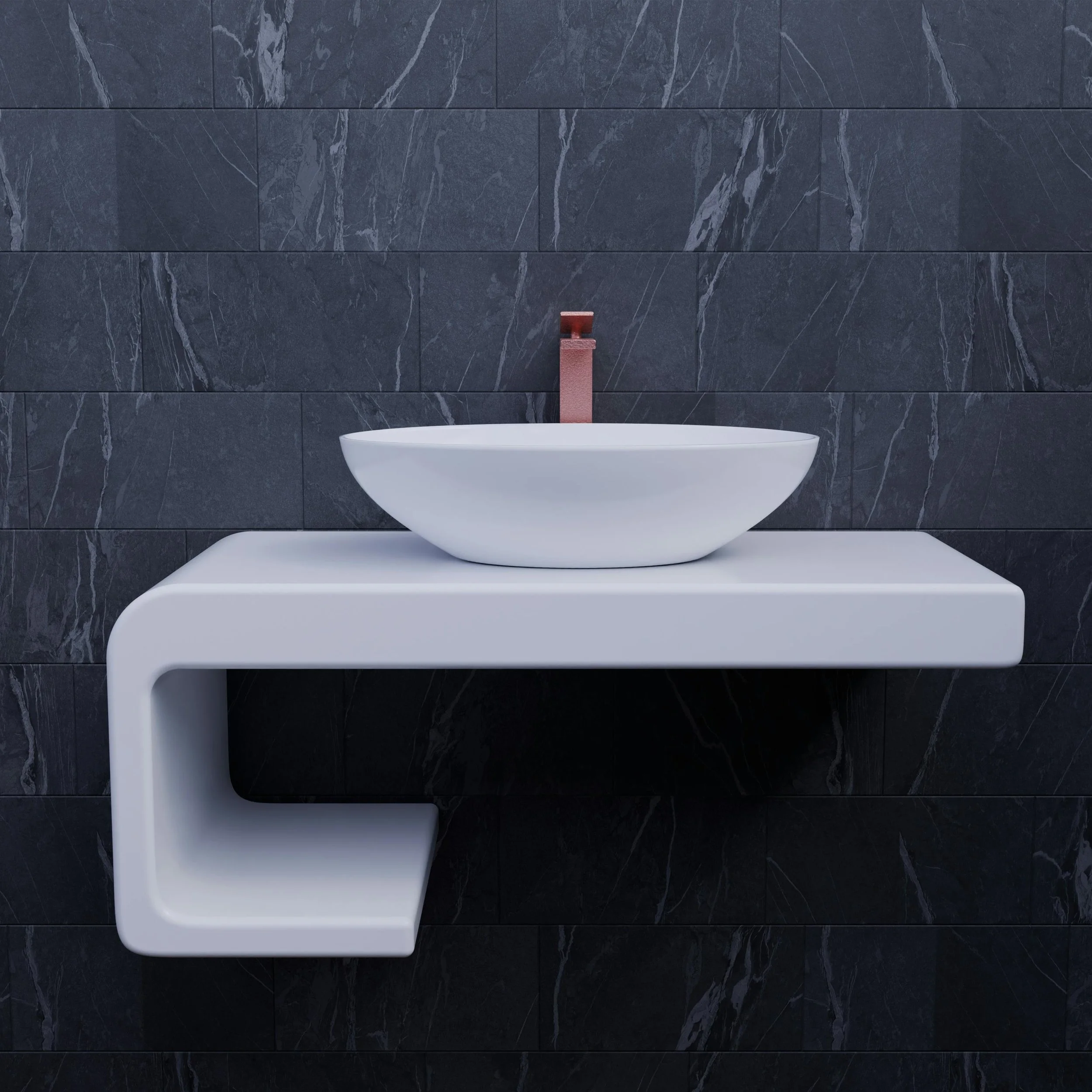
Image Found on Prexels
Water efficiency, durability, accessibility, and maintenance should shape every decision before the first fixture is ordered.
Employees are returning to the workplace, and building owners are looking to improve restroom hygiene, cut operating expenses, and conserve water. That makes a large-scale restroom renovation a chance to rethink how a facility is managed, not just how it looks.
Consider a large office building undertaking a renovation of 30 restrooms. The project extended beyond fixtures and finishes, aiming to improve maintenance, user experience, and long-term value. For guidance, the facility manager consulted Klaus Reichardt, founder and CEO of Waterless Co., Inc.
"Large restroom renovations are not just about new fixtures," says Reichardt. "Each decision affects water use, maintenance, user satisfaction, and how easily the restrooms can be serviced for years to come."
Based on that project, Reichardt shares seven priorities to consider before starting a major restroom renovation.
1. Standardize Fixtures and Equipment
Where practical, specify the same commercial-grade toilets, faucets, urinals, dispensers, and accessories throughout the building. Standardizing simplifies purchasing, reduces spare-parts inventory, and helps maintenance teams work more efficiently from one restroom to the next.
2. Prioritize Long-Term Durability
The lowest purchase price doesn't always deliver the best value. Evaluate fixtures for reliability, expected service life, replacement-part availability, and ease of repair.
"A fixture may cost less upfront, but if replacement parts are difficult to obtain, those savings can disappear quickly," Reichardt says.
3. Make Water Efficiency a Priority
Modern toilets and urinals can use significantly less water than older fixtures. Waterless urinals go a step further by eliminating flush water altogether, which helps facilities reduce both water use and the sewer costs that go with it.
4. Choose Touch-Free Technology Carefully
Sensor-operated faucets, soap dispensers, and flush valves support hygiene and help manage water use. Reichardt recommends choosing reliable systems, with manual overrides where appropriate, so a malfunction doesn't disrupt restroom operations.
5. Select Finishes for Performance
Restrooms take a beating from heavy use, moisture, graffiti, and commercial cleaning products. Durable, easy-to-maintain options include chrome-plated plumbing trim, stainless-steel accessories, and solid laminate partitions.
6. Address Accessibility Before Installation
Build accessibility into the plan from the start. Before ordering products or beginning construction, review fixture clearances and heights, grab-bar placement, reach ranges, and door swings. Catching issues early avoids costly adjustments later.
7. Design for Easier Maintenance
Let maintenance needs guide both fixture selection and installation. Make sure shutoff valves are accessible, floor drainage is adequate, and drain trap seals stay maintained. In infrequently used restrooms, non-evaporating trap-seal solutions can prevent the sewer odors that result when trap seals evaporate.
One Additional Step: Build a Mock-Up First
Reichardt recommends one more step that can head off expensive mistakes: build and evaluate a full-scale restroom mock-up before ordering fixtures for the entire project.
Testing a single restroom lets the facility team assess faucet splash, sensor performance, accessibility, dispenser placement, cleaning access, and overall usability under realistic conditions. Problems found at this stage won't be repeated across all 30 restrooms.
The Bottom Line
A successful restroom renovation comes down to planning for the people who use the space and the people who maintain it. Standardizing equipment, choosing durable and water-efficient fixtures, designing for accessibility, and testing before committing can save time, money, and water for years to come.
For more information about water-efficient restroom solutions, visit Waterless.com.