Learn what causes sewer gas in commercial buildings, the risks it presents, and how facility managers can prevent odors with proper drain maintenance.
Unpleasant restroom odors are often attributed to inadequate cleaning or insufficient ventilation. However, when odors persist despite regular cleaning, the source may be somewhere within the building's plumbing system.
Sewer gas can enter occupied spaces when plumbing components fail to maintain the barriers designed to keep gases inside drain and sewer lines. Common causes include dried-out floor drain traps, damaged pipes, defective toilet seals, and blocked plumbing vents.
For facility managers, building service contractors (BSCs), and property maintenance professionals, recognizing these potential problems is important. Beyond creating unpleasant conditions, sewer gas can contain substances that present health and safety concerns, depending on their concentration and duration of exposure.
Understanding the causes of sewer gas and incorporating preventive measures into routine facility maintenance can help reduce recurring odor complaints and identify plumbing problems before they become more serious.
What Is Sewer Gas and What Makes It a Concern?
Sewer gas is a mixture of gases produced during the decomposition of organic waste in sewer systems, drain lines, and septic systems. Its composition varies depending on the waste materials, environmental conditions, and characteristics of the plumbing system.
Several gases may be present:
Hydrogen Sulfide (H₂S)
Hydrogen sulfide is commonly associated with the characteristic rotten-egg smell of sewer gas. At low concentrations, exposure can cause eye and respiratory irritation, headaches, and other symptoms. At higher concentrations, it can rapidly impair the sense of smell, making odor an unreliable warning indicator. Severe exposure can be life-threatening.
Methane (CH₄)
Methane is a colorless, odorless, flammable gas. In enclosed spaces, sufficiently high concentrations can create an explosion hazard. Methane can also displace oxygen, potentially creating an oxygen-deficient environment.
Ammonia and Carbon Dioxide
These gases may also be present as byproducts of organic decomposition. Depending on their concentrations, they can contribute to air-quality concerns and potentially cause irritation or other adverse effects.
The actual risks associated with sewer gas depend on its composition, concentration, ventilation, and exposure duration. Persistent or unusually strong sewer odors should never be dismissed as a routine housekeeping issue.
How Plumbing Systems Prevent Sewer Gas From Entering Buildings
Commercial plumbing systems incorporate several components designed to prevent sewer gases from entering occupied spaces.
Two are particularly important:
1. P-Traps
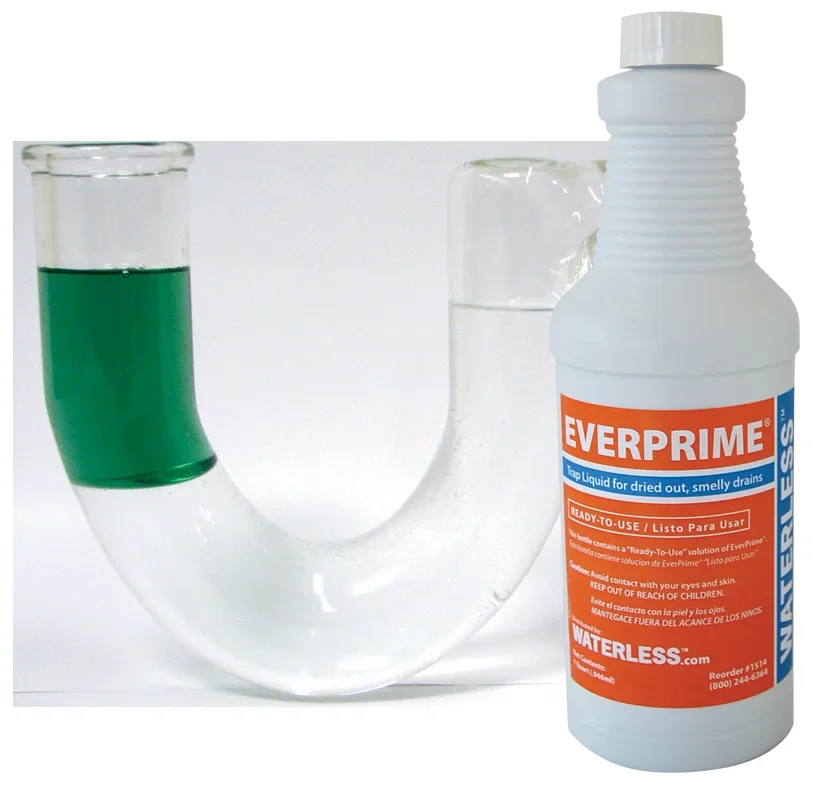
P-traps are curved sections of pipe installed beneath sinks, floor drains, and other plumbing fixtures. Their design allows a small amount of water to remain inside the pipe, creating a barrier between the building's interior and the sewer system.
As long as this water seal remains intact, sewer gases are prevented from traveling back through the drain and into the occupied space.
2. Plumbing Vent Stacks
Vent pipes extend through the roof and allow sewer gases to escape outdoors. They also help regulate air pressure within the drainage system, allowing wastewater to flow properly and helping protect the water seals in plumbing traps.
When either of these systems fails, sewer gases may find a path into the building.
Six Common Causes of Sewer Gas Problems
Several plumbing conditions can compromise a building's protection against sewer gas.
1. Dried-Out P-Traps
This is a particularly frequent problem with floor drains in areas that receive little water. When a drain is rarely used, the water inside its P-trap can gradually evaporate, eliminating the barrier that normally prevents sewer gases from escaping.
Restrooms, storage areas, mechanical rooms, and other infrequently used spaces may be especially vulnerable.
2. Cracked or Deteriorating Pipes
Damaged or aging plumbing pipes can allow sewer gases to escape inside walls, crawl spaces, basements, and other concealed areas. These leaks may be difficult to identify because the source is not always visible.
3. Blocked Plumbing Vents
Roof vent pipes can become obstructed by leaves, ice, debris, or bird nests. Blockages can interfere with proper drainage and pressure regulation, potentially contributing to problems with plumbing traps.
4. Damaged Toilet Wax Rings or Seals
Toilets typically rely on a wax ring or another approved sealing system at the connection between the fixture and the drainpipe. When this seal deteriorates or becomes damaged, sewer gases may escape around the toilet's base.
5. Improperly Located Plumbing Vents
Vent pipes must be positioned according to applicable plumbing codes. If a vent terminates too close to an outdoor air intake, window, or other building opening, sewer odors may enter the building through the ventilation system.
6. Foundation Cracks and Building Openings
In certain circumstances, sewer gases can migrate through cracks in foundations, floor slabs, or other openings. This can be particularly concerning in basements and below-grade spaces where gases may accumulate.
Identifying the underlying cause is essential. Simply increasing cleaning frequency or applying air fresheners will not correct a plumbing failure.
Preventing Sewer Gas: Moving Beyond Manual Water Applications
Historically, one of the simplest ways to prevent floor drain odors has been to periodically pour water into drains that are rarely used. This replenishes the water in the P-trap and restores the barrier against sewer gases.
Although this approach can work, it requires ongoing attention. In commercial buildings, water can evaporate quickly under certain conditions, particularly in warm environments, areas with low humidity, and spaces affected by heating and ventilation systems.
For facilities with numerous floor drains, manually replenishing water can also become a time-consuming maintenance responsibility. If drains are overlooked, their traps may eventually dry out and allow sewer gases to enter the building.
An alternative is to use a specialized drain-trap sealant or evaporative barrier.
Products such as EverPrime are designed to help maintain a liquid barrier inside floor drain traps without relying on water that can evaporate. When used according to manufacturer instructions, these products can provide longer-lasting protection against sewer gas escaping through infrequently used drains.
For facility managers, this approach can reduce the frequency of manual drain maintenance and help prevent recurring odor problems.
The appropriate product and application schedule will depend on the drain configuration, facility conditions, and manufacturer's recommendations.
Best Practices for Facility Managers and Building Service Contractors
Preventing sewer gas problems requires a combination of routine inspections, preventive maintenance, and timely plumbing repairs.
Facility managers and BSCs should consider incorporating the following practices into their maintenance programs:
Inspect infrequently used floor drains. Identify drains that may be vulnerable to evaporation and ensure their traps maintain an effective seal.
Establish preventive maintenance schedules. Include floor drains in regular facility inspections rather than waiting for odor complaints.
Investigate persistent odors. If cleaning does not resolve the problem, examine potential plumbing sources, including traps, pipes, toilet seals, and vent systems.
Consider drain-trap sealants. Evaluate appropriate products for drains that are rarely used or particularly vulnerable to evaporation.
Maintain plumbing vents. Have qualified maintenance personnel inspect vent systems for obstructions and other problems.
Use professional leak detection when necessary. If the source of sewer gas cannot be identified through visual inspection, a qualified plumbing professional may recommend diagnostic procedures such as plumbing smoke testing.
Smoke testing involves introducing controlled, non-toxic smoke into a plumbing system to help identify leaks, defective connections, and other openings through which gases may escape. It should be performed by qualified professionals using appropriate procedures.
If a strong or unusual sewer-gas odor is accompanied by physical symptoms, or if a potentially hazardous gas accumulation is suspected, occupants should leave the affected area and have the situation evaluated by qualified professionals. Odor alone should not be used to determine whether an area is safe.
A Proactive Approach to Sewer Gas Prevention
Sewer gas problems are often mistaken for ordinary restroom odor issues. However, when unpleasant smells persist despite routine cleaning, the underlying cause may involve plumbing components that are no longer functioning as intended.
For facility managers and building service contractors, recognizing the difference between a cleaning issue and a plumbing problem is an important part of effective building maintenance.
Regular floor drain inspections, properly maintained P-traps, functioning plumbing vents, and appropriate drain-trap sealants can all contribute to a more effective prevention strategy.
Sewer gas prevention is more than eliminating unpleasant odors. It is about maintaining the plumbing barriers that protect indoor environments, reducing unnecessary maintenance work, and ensuring that commercial facilities remain safe, comfortable, and properly maintained.
-Klaus