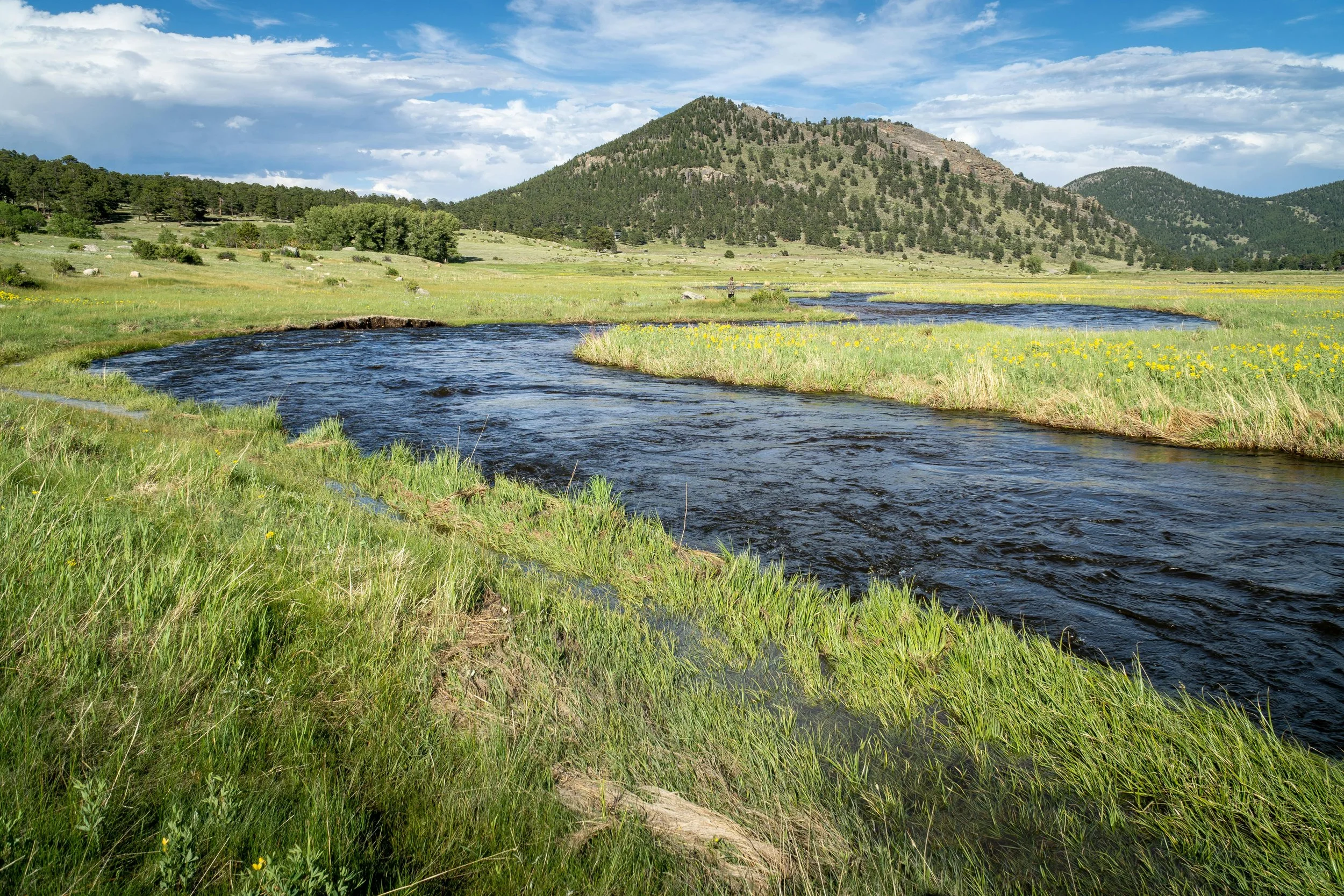
Image by Ken Jacobsen found on Pexels
Water leaders in California, Arizona, and Nevada are pushing back against new federal proposals that would significantly reduce water use from the Colorado River. Officials from the three states warn that the current approach could ignite one of the largest water disputes in modern U.S. history — potentially ending in a courtroom battle between Western states.
At stake is the future of a river system that supplies water to roughly 40 million people across the American West. As climate change, long-term drought, and rising demand strain the river’s resources, the region now faces a difficult question: how to divide a shrinking supply of water under rules written more than a century ago.
The Century-Old Law Behind Today’s Conflict
The current dispute centers on the historic Colorado River Compact of 1922, the agreement that still governs how water from the Colorado River is divided among seven Western states.
The compact split the river into two major regions:
Upper Basin States
Colorado
Wyoming
Utah
New Mexico
Lower Basin States
California
Arizona
Nevada
Under the agreement, the Upper Basin must deliver an average of 7.5 million acre-feet of water every decade downstream to the Lower Basin and to Mexico.
However, officials in the Lower Basin say new proposals from the U.S. Bureau of Reclamation fail to fully respect those long-standing legal obligations.
Why Lower Basin States Are Threatening a “Compact Call”
Arizona water officials have raised the possibility of issuing what’s known as a “compact call.” This legal action would force the enforcement of the 1922 agreement and could ultimately send the dispute to the Supreme Court of the United States, which has historically resolved interstate water conflicts.
Lower Basin leaders say several issues are driving their concerns:
Unequal burden
Federal proposals could require California, Arizona, and Nevada to shoulder most of the conservation cuts.
Upper Basin flexibility
Some plans could allow Upper Basin states to maintain — or even increase — their water use while the Lower Basin absorbs major reductions.
Infrastructure risks
Declining water levels at Lake Powell and the nearby Glen Canyon Dam threaten the ability to physically move water downstream through the system.
Potential Water Cuts After 2026
Current operating rules for the river expire in 2026, and federal officials are considering five different strategies for managing water deliveries afterward. Depending on which plan is adopted, the reductions for Lower Basin states could be severe.
Projected Water Reductions
State
Potential Reduction
Arizona
33% – 69%
Nevada
24% – 67%
California
29% – 33%
Such reductions would have sweeping economic and environmental consequences across the Southwest.
Major Impacts Beyond Water Rights
The fight over Colorado River water is not just about legal agreements. It could reshape agriculture, cities, and ecosystems across the region.
Agricultural pressure
Farmers in California’s Imperial Valley, one of the most productive agricultural regions in the country, could be forced to fallow large areas of farmland. That could ripple through national food supply chains.
Urban water challenges
Cities in Arizona may increasingly rely on groundwater to make up for lost river supplies. That could mean drilling deeper wells and tapping already declining aquifers — a costly and potentially unsustainable solution.
Environmental concerns
Reduced agricultural runoff could accelerate the decline of the Salton Sea, a shrinking inland lake already associated with growing dust pollution and serious public health concerns for nearby communities.
A River That Was Overpromised
Many water experts say today’s conflict traces back to a key miscalculation when the 1922 compact was negotiated. Early planners assumed the Colorado River carried significantly more water than modern measurements show.
Now, more than a century later, the basin is facing a prolonged “megadrought” combined with higher temperatures and growing population demands.
Those pressures are forcing Western states to confront a difficult reality: the Colorado River was likely overallocated from the beginning.
Compromise or Courtroom?
Negotiations among the seven basin states are ongoing, but time is running short. Without a compromise that balances historic water rights with modern climate realities, the region could soon face a legal battle over one of the most important water systems in the United States.
How that dispute is resolved will shape the future of water management across the American West — and determine how millions of people, farms, and ecosystems survive in an increasingly dry climate.
By Waterless Staff