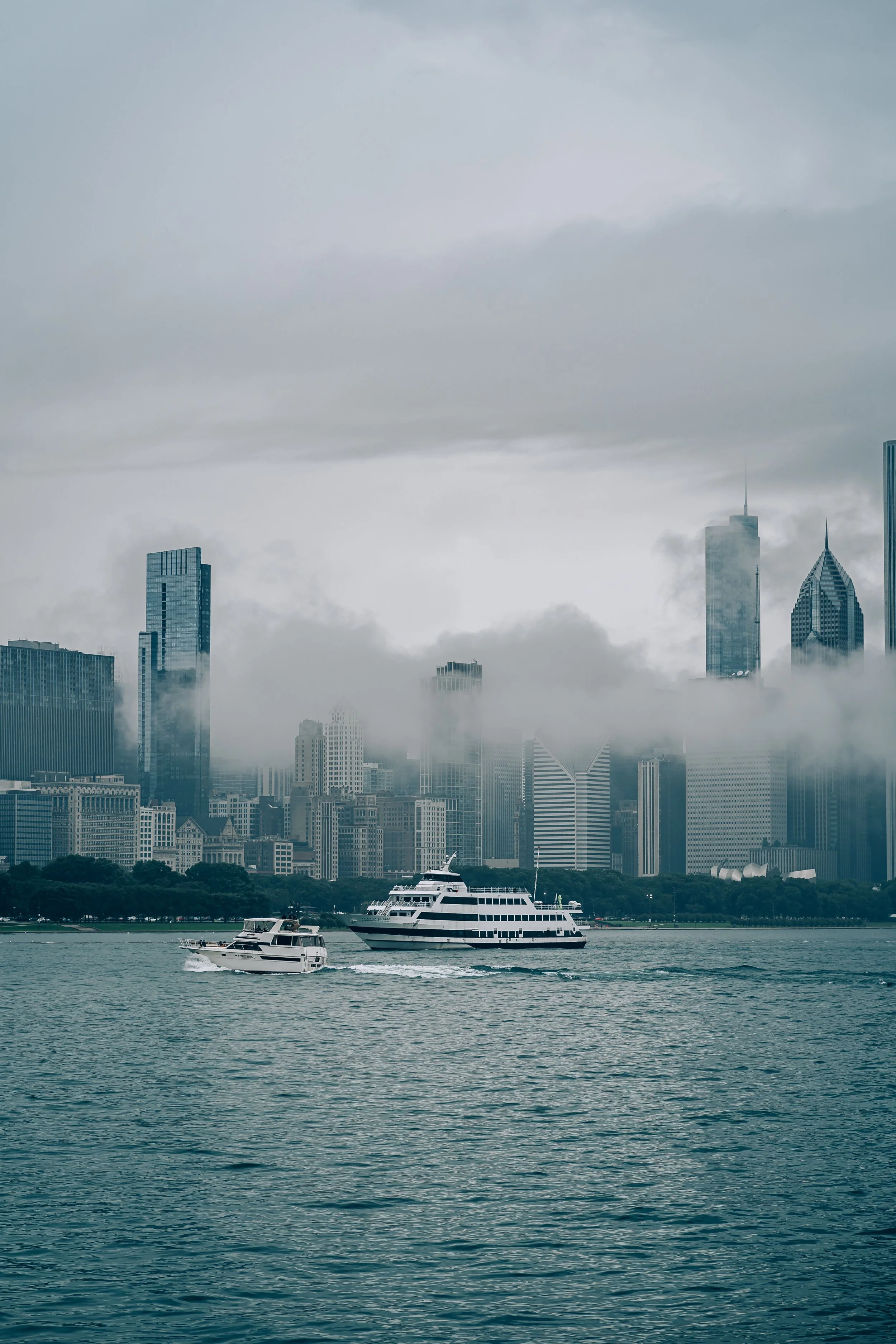
Image by Ricky Esquivil found on Prexels
Modern cruise ships have an enormous appetite for fresh water. Some of the largest vessels are estimated to use more than 260,000 gallons of fresh water every day, meaning a typical seven-day cruise may require more than 1.5 million gallons of water.
Onboard, water is used for guest and crew showers, pools, laundry, galley operations, ship mechanical systems, and decorative features such as fountains and waterfalls. Like large land-based facilities, cruise ships also require significant amounts of water for sinks, toilets, and urinals in both public and private bathrooms.
To reduce cruise ship water consumption, ship owners and operators can adapt many of the same water conservation strategies used by land-based facility managers, especially in high-use restroom areas.
Water-Reducing Strategies for Cruise Ships
A pre-COVID survey of facility managers asked what steps they were taking to conserve water and use water more efficiently. The survey found that 89 percent believed water concerns would intensify worldwide in the coming years, while 72 percent said installing water-conserving and more water-efficient restroom fixtures was “important” or “very important.” These findings are highly relevant to cruise ships, where every gallon of water has operational, environmental, and cost implications.
For cruise lines evaluating marine water conservation measures, the most practical restroom fixture upgrades include the following:
Toilets: At one time, dual-flush toilets using about 1.6 gallons per flush were considered an effective water-saving option. Today, 1.28-gallon-per-flush toilets are more common. They are easier to use, consume significantly less water, and can help cruise ships reduce overall freshwater demand.
Faucets and showerheads: Reducing the flow rate on faucets and showerheads is one of the simplest ways to conserve water on a ship. Aerators can be installed on existing fixtures to limit the amount of water released, while automatic or sensor-controlled faucets can take conservation a step further by stopping water flow as soon as hands leave the active area. These systems can be especially valuable in cruise ship public restrooms, crew areas, and guest accommodations.
Urinals: Many facility managers are surprised to learn that one conventional urinal can use about 35,000 gallons of water per year. Reduced-flow urinals, which use from 0.5 to about one gallon of water per flush, have helped lower that amount. Waterless urinals, now getting more attention, are also available for ship installation and, as the name implies, use no water at all.
Using water more efficiently delivers benefits beyond conservation. As ship owners and operators know, water is heavy. Reducing the amount of fresh water a cruise ship needs to carry can help lower vessel weight, support fuel efficiency, and reduce operating costs. For cruise lines, marine operators, and ship managers, restroom water conservation is not only an environmental priority but also a practical strategy for improving ship performance.
-Klaus