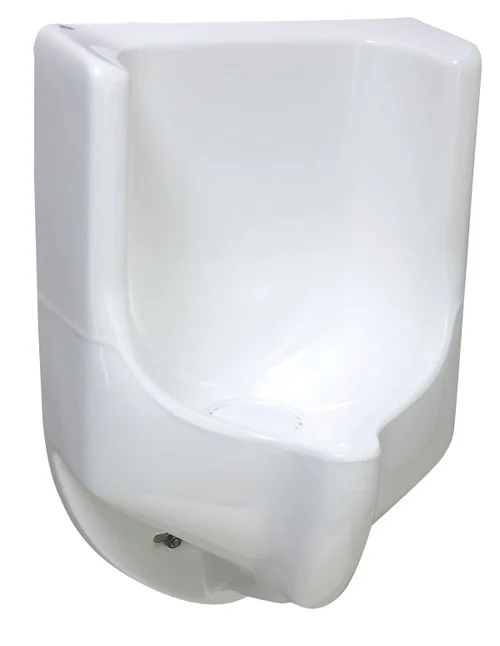
A facility manager recently asked an important question about waterless urinals, odor control, and modern restroom technology:
“Have there been any advances in waterless urinals? While we know they save water, many building owners and facility managers still believe they cause odor issues. Is this true?”
Expert Answer: The Truth About Waterless Urinals and Odor Control
Thank you for your interest in waterless urinal. This is a great question and one that comes up frequently among facility managers, building owners, and maintenance professionals.
You are absolutely correct—waterless urinals save water, save money, support sustainability goals, and significantly reduce environmental impact. In addition to water conservation and efficiency, modern waterless urinals offer several advantages, including:
Lower maintenance and repair costs
Fewer plumbing issues
Improved restroom hygiene
Reduced long-term operating expenses
However, concerns about odor problems with waterless urinals still persist. But, with new advances and products, and a better understanding of waterless urinals – how to install them and maintain them - we rarely hear complaints about odor issues today.
First, About the Author: A Waterless Urinal Expert
Before addressing odor issues directly, allow me to introduce myself. I am widely recognized as a waterless urinal expert with more than 30 years of industry experience. As CEO and Founder of Waterless Co., Inc, I have been involved in the development, marketing, and installation of waterless urinals and related restroom technologies throughout North America and worldwide since 1991.
Why Early Waterless Urinals Had Odor Problems
In the past, odor issues in no-water urinals typically resulted from three main factors:
1. Ineffective Sealing Liquids and Cartridges
Many early waterless urinal manufacturers required the use of expensive cartridges placed at the bottom of the fixture. The sealing liquids used in these cartridges often evaporated quickly or failed to provide long-lasting odor protection.
The purpose of both the cartridge and sealing liquid is to block sewer gases from entering the restroom. Today, these components have improved significantly. Many manufacturers now recommend BlueSeal® sealing liquid, which lasts longer, is refillable, easy to maintain, and more cost-effective than competing products.
2. Improper Cleaning Practices
When waterless urinals were first introduced, cleaning professionals were unfamiliar with how to maintain them. In many cases, excessive water was used during cleaning, which diluted or washed away the sealing liquid and damaged the cartridge—leading to odors.
Today, this issue has been eliminated. Cleaning staff are now trained to properly maintain waterless urinals. In most cases, cleaning requires only a sanitizer or disinfectant sprayed on the urinal surface and wiped clean. There is typically no scale buildup, and aggressive scrubbing is unnecessary.
3. Lack of Sealing Liquid Replenishment
Another common issue was uncertainty about how often to refill the sealing liquid. While the process is simple, early adopters often did not train cleaning personnel properly, resulting in depleted sealant and odor problems.
Modern waterless urinal maintenance programs clearly outline refill schedules, ensuring consistent odor control and optimal performance.
The Bottom Line: Modern Waterless Urinals Are Odor-Free When Maintained Properly
Advances in waterless urinal technology, sealing liquids, and maintenance practices have eliminated the odor problems associated with early systems. When installed correctly and maintained as designed, today’s waterless urinals are reliable, hygienic, and highly effective.
If you have additional questions or would like to learn more about waterless urinals, BlueSeal sealing liquid, or maintenance best practices, please feel free to contact me.
Sincerely,
Klaus Reichardt