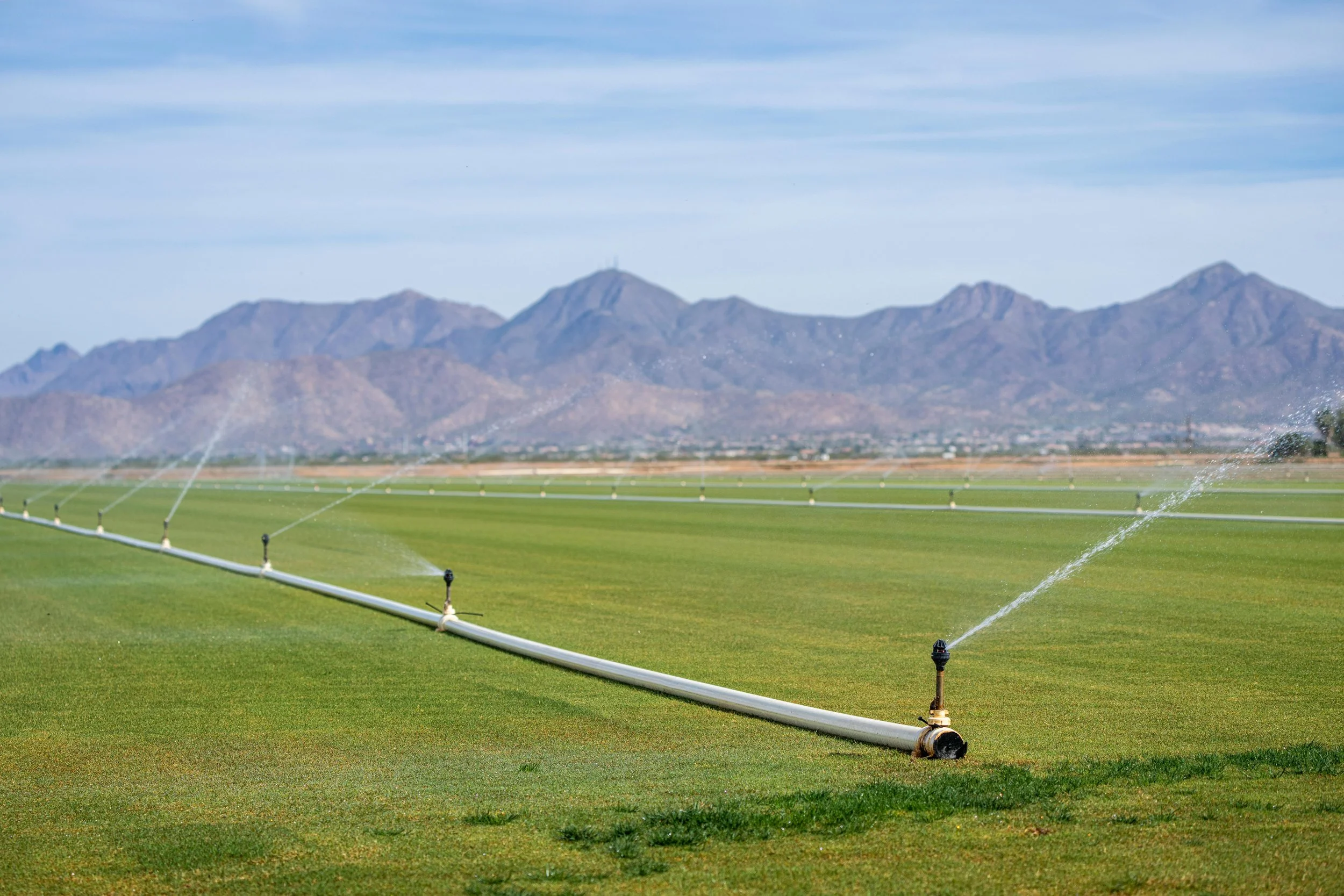
Irrigation Image by Mark Stebnicki found on Prexels
These two terms may sound similar, but they differ significantly. This distinction is important to consumers wanting lower water bills, businesses aiming to control costs, and data centers opening nationwide.
Knowing the difference clarifies how water is used and why certain industries face extra scrutiny from utilities and regulators.
Here's the essential difference you need to understand.
Water Withdrawal (Use)
Water withdrawal, also referred to as water use, refers to the total volume of water taken from a source, such as a river or aquifer, for use by industry, cooling, irrigation, power, or households.
Key points about water withdrawal:
Withdrawn water may be returned to its source or another water body after use.
Returned water is often lower quality—warmer, with chemicals or minerals, and may need treatment.
Less water is returned than withdrawn due to evaporation, leaks, or absorption.
Large withdrawals can still strain local systems, especially during drought or peak demand.
Here’s an example: a data center may withdraw millions of gallons of water per day for cooling. Even if much of that water is discharged back into a river, the temporary removal—and any changes in water temperature or quality—can impact ecosystems and downstream users.
Water Consumption
Water consumption refers to the portion of water withdrawn but is not returned to the original source or a different water body. This water is effectively removed from the water system.
Water is considered “consumed” when it:
Evaporates during cooling or industrial processes, or is lost due to poor water infrastructure
Is incorporated into products (such as food, beverages, or manufactured goods)
Is absorbed by plants or soil through irrigation.
From a cost and sustainability standpoint, water consumption is often the more critical metric. Consumed water reduces the amount available to other users and future needs, which can drive up utility costs, lead to stricter regulations, and raise community concerns.
In data centers, for instance, evaporative cooling systems may consume significant volumes of water even if total withdrawals seem moderate. That consumed water represents a permanent loss to the local supply.
Why the Distinction Matters
Utilities and regulators track both metrics to understand system stress and long-term water availability in a community. If much more water is consumed rather than withdrawn, businesses may face higher water charges or restrictions on how much water they can use.
We must also point out that communities and ecosystems are impacted most directly by consumption, since that water is no longer available locally.
In short, water withdrawal indicates temporary removal, while water consumption shows how much is permanently lost. This distinction is why organizations are looking into mechanicals and restroom fixtures that use less water, or, as in the case of waterless urinals, none at all.
This approach addresses both terms. Far less water is withdrawn, which also means far less water is consumed.
Klaus Reichardt, founder and CEO of Waterless Co. LLC in Vista, California, is a recognized authority on water conservation. Since 1991, he has led the company to innovate plumbing products like the Waterless No-Flush urinal, which operates entirely without water.
To contact Klaus, click here.
The Future Doesn't Flush – Clean and Hygienic Waterless No-Flush™ Urinals