Dry U-traps let sewer gases into restrooms. Learn how floor drain odors spread illness, what to avoid, and how to keep traps sealed.
Restroom cleaning routines typically focus on fixtures, floors, and mirrors. Floor drains rarely make the list, yet a neglected drain can undo all the work you've put into everything else. Because a drain sits quietly at floor level, a problem there often goes unnoticed until the odor, or worse, a health complaint, appears.
What a Dry U-Trap Does
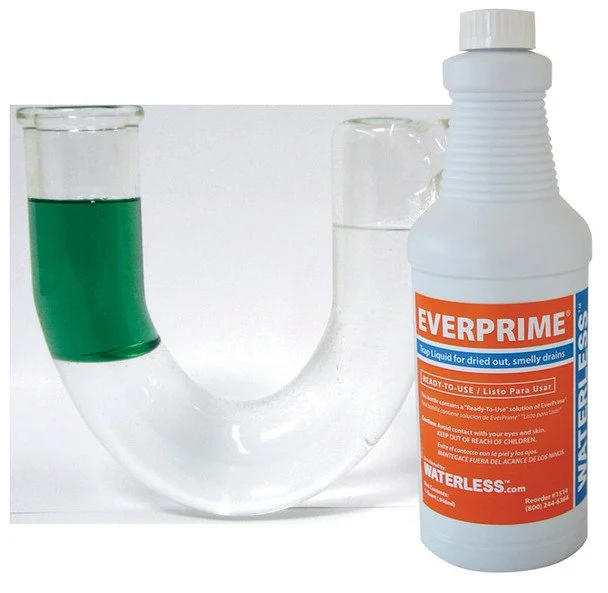
A U-trap (also called a P-trap) is a curved section of pipe that holds a small amount of water. That water forms a seal that blocks sewer gases from rising into the room. Floor drains that are rarely used, such as those in seldom-used restrooms or utility areas, are especially vulnerable. When the water evaporates, the seal disappears and sewer gases flow freely into the space, along with whatever they carry.
Three Cases Where Dry Traps Mattered
London, 1852. After a new sewer system was introduced in Croydon, a fever outbreak was blamed on foul air escaping from the sewers into homes. Drains without working traps gave that air a direct path indoors, and the episode became an early lesson in why traps matter.
Finland, 2016. A gastrointestinal outbreak struck 154 diners at a Christmas buffet. Investigators traced a likely cause to a faulty ventilation valve near the ice machines, combined with U-traps that weren't working properly. They noted that drains are often overlooked in routine hygiene inspections, which means problems can go undetected until people get sick.
Hong Kong, 2003. During the SARS outbreak, investigators found that many households swept or damp mopped bathroom floors instead of rinsing them with water, which allowed the floor drain traps to dry out. The SARS pathogen was found in the drain sewage, and the dry traps let contaminated air into bathrooms. Worldwide, there were 8,096 confirmed cases of SARS between November 2002 and August 2003, with 774–783 reported deaths.
What Not to Do
· Don't just mask the smell. Ventilation and air fresheners don't stop gases such as hydrogen sulfide, ammonia, and methane from entering the room through the floor drain. They cover the symptom while the source stays open.
· Don't pour bleach down the drain. It can react with other substances to create harmful fumes, can damage pipes, and is hard on the environment. It also does nothing to restore a dried-out trap seal.
How to Stop Floor Drain Odors
1. Check the plumbing vents. A clogged vent stack can push odors into the restroom. Ask your plumber to inspect and clear it.
2. Inspect for leaks. Leaking drainpipes can cause bacterial growth beneath the floor, which produces odors above it. Musty smells that linger after cleaning are a common sign.
3. Keep traps sealed. Pouring water into floor drains every two weeks helps, but the seal can dry out again quickly, especially in warm or dry conditions.
4. Call a licensed plumber if odors persist. Cracked, corroded, or blocked pipes need professional repair, and delaying that repair can let the problem grow.
5. Use a trap primer. Products such as EverPrime® keep the U-trap filled for months and work in most climates. It is often the simplest, lowest-cost fix for dried-out floor drains, and it removes the need to remember regular manual refills.
The Bottom Line
A restroom care program is only as strong as its drain care. Keeping floor drain traps sealed protects against odors and, more importantly, protects the health of the people using the space. Add floor drains to your routine inspection checklist, and a small, inexpensive step can prevent a much bigger problem.
Take the next step. Walk your restrooms this week and check every floor drain for a dry trap or lingering odor. Where you find one, protect it with a trap primer such as EverPrime® so the seal stays in place for months. Your cleaning program, and the people who rely on it, will be better protected.