Water efficiency and conservation is becoming an increasingly important part of sustainable building management. As water and wastewater costs rise and pressure on freshwater resources grows, building owners and facility managers are looking for practical ways to reduce consumption, control operating expenses, and improve long-term building performance.
The U.S. Green Building Council (USGBC) is addressing these priorities through its latest Leadership in Energy and Environmental Design (LEED) certification program, LEED v5. Introduced in April 2025, the updated rating system places a stronger emphasis on measurable environmental performance, resource conservation, and building resilience.
For facility managers, one important takeaway is the increased attention given to water efficiency. LEED v5 encourages building teams to understand how much water their properties consume, identify areas of unnecessary use, and implement strategies that deliver measurable water savings.
Water Metering: The Foundation of Better Water Management
One of the central components of LEED v5 is its emphasis on tracking and reporting water consumption. The objective is straightforward: Building owners and managers need reliable information about water use before they can identify opportunities to reduce it.
This approach reflects a fundamental principle of business management: What gets measured can be managed.
Under the LEED v5 Building Design and Construction (BD+C) rating system, water metering and reporting are prerequisites for new construction and core-and-shell projects. Buildings must have permanent water meters capable of monitoring and recording consumption from both potable and alternative water sources.
The requirements also emphasize making water-use data accessible to facility managers and tenants and reporting consumption information to USGBC annually for five years, subject to the program's provisions.
Beyond whole-building monitoring, additional metering and leak-detection strategies can help property managers gain a more detailed understanding of where water is being consumed.
These technologies offer several advantages:
Whole-building water meters: Track overall water consumption and establish a baseline for evaluating conservation efforts.
Alternative water meters: Measure water supplied by sources such as rainwater harvesting and recycled water systems, allowing managers to distinguish these supplies from municipal drinking water.
Submeters: Monitor individual building systems or areas, helping identify unusually high consumption and opportunities for improvement.
Smart water monitoring: Provide more frequent information about consumption patterns and can help managers recognize potential leaks or unexpected increases in water use.
For large commercial properties, these capabilities can make water management considerably more effective. Instead of relying solely on monthly utility bills, facility teams can use consumption data to identify problems sooner and make better-informed decisions.
How Facility Managers Can Improve Water Efficiency
Monitoring water consumption is an important first step, but collecting data alone will not reduce a building's water footprint. Facility managers must also evaluate how water is being used and determine where conservation measures can make the greatest difference.
Water efficiency involves reducing unnecessary consumption through improved equipment, better operating practices, and technologies that use little or no water to perform essential functions.
Several areas deserve attention.
1. Upgrade Inefficient Cooling Equipment
Cooling systems can represent a significant source of water consumption in commercial and institutional buildings. Depending on the equipment and operating conditions, older cooling systems may consume substantial quantities of water through evaporation and other processes.
Evaluating existing equipment and considering more efficient cooling technologies can help reduce water demand while potentially lowering operating and maintenance expenses.
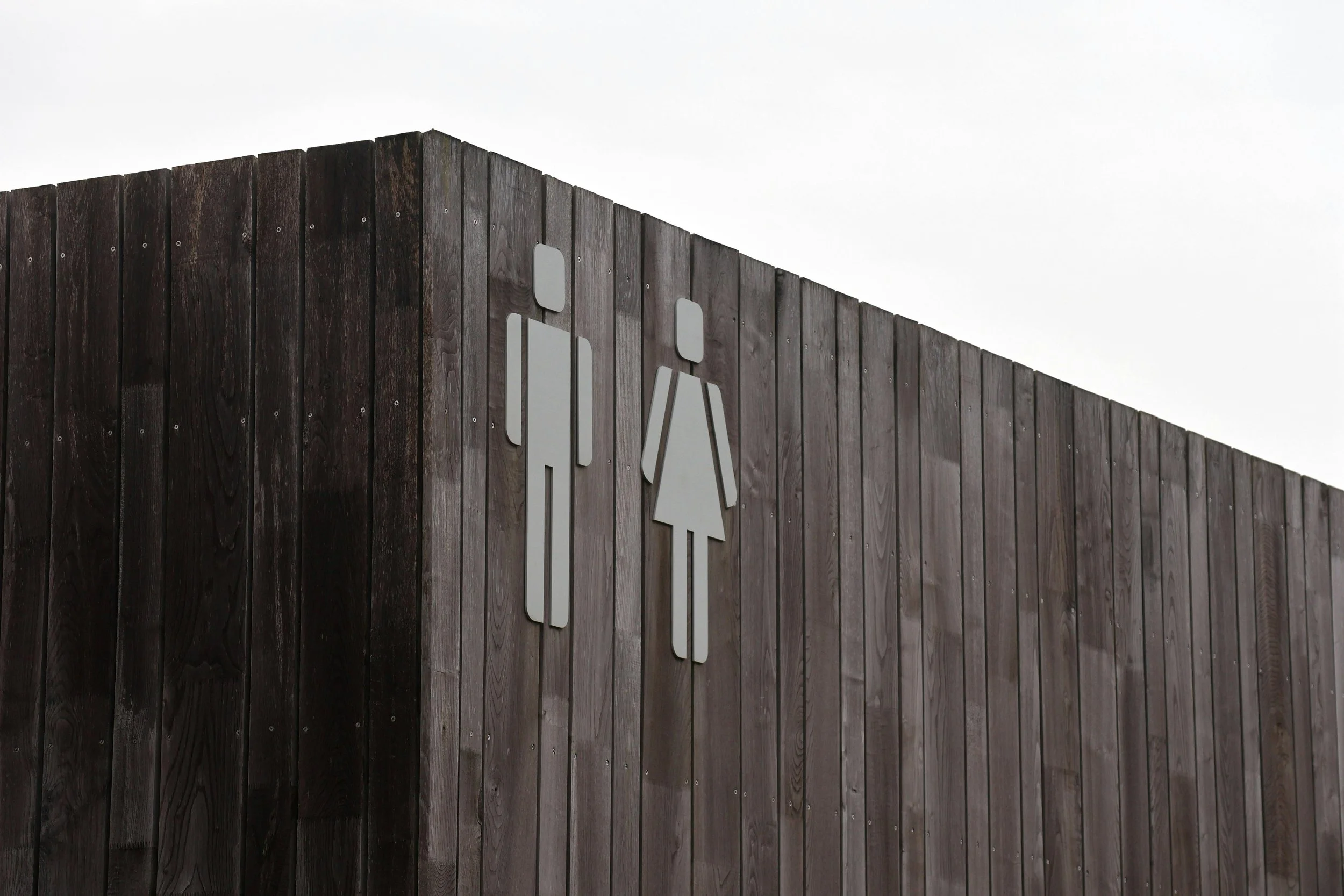
2. Install Water-Efficient Restroom Fixtures
Commercial restrooms offer another important opportunity for water conservation. Traditional toilets, urinals, and faucets can account for considerable water consumption, particularly in buildings with high daily occupancy.
Facility managers can reduce this demand by installing:
High-efficiency toilets (HETs) that use less water per flush.
Low-flow faucets and aerators that reduce water consumption without compromising normal use.
High-efficiency urinals designed to minimize flushing requirements.
Waterless urinals that eliminate flushing water altogether.
Waterless urinals are particularly noteworthy because they do not require a water supply or conventional flushing mechanisms. By eliminating flushing water, they can deliver substantial long-term savings in facilities with frequent restroom use.
They are increasingly being considered for commercial buildings, schools, airports, office properties, and other high-traffic facilities as part of broader water conservation and renovation strategies.
3. Evaluate Water Use in Food-Service Operations
Cafeterias, commercial kitchens, and food-service areas can be significant water users, especially in schools, hospitals, hotels, and large institutional facilities.
Dishwashers, food preparation sinks, ice machines, and other equipment should be evaluated for water efficiency. Monitoring these systems separately can help facility managers identify excessive consumption and determine whether equipment upgrades or operational changes are justified.
4. Consider Alternative Water Sources
Rainwater harvesting and graywater recycling can provide additional opportunities to reduce dependence on municipal drinking water.
When properly designed and permitted, these systems can supply water for appropriate nonpotable applications, such as irrigation and toilet flushing. Metering these alternative supplies also helps building managers understand how much potable water they are replacing.
Water Efficiency Is a Business Investment, Not Just an Environmental Initiative
The financial benefits of water conservation extend well beyond lower utility bills.
Water efficiency improvements can reduce operating expenses, help limit exposure to rising water and wastewater rates, and make buildings more resilient when water availability becomes uncertain.
For property owners and facility managers, the business case includes several advantages:
Lower utility expenses: Reducing consumption can decrease both water and wastewater charges, depending on local billing structures.
Improved operational efficiency: Modern equipment and monitoring systems can help identify problems and reduce unnecessary resource use.
Better maintenance planning: Water monitoring and leak detection can help identify potential problems before they develop into more costly repairs.
Greater building resilience: Reducing dependence on potable water can help facilities prepare for supply disruptions and changing water availability.
Progress toward sustainability goals: Documented water conservation measures can support environmental reporting and applicable LEED certification objectives.
As water-related expenses continue to place pressure on building operating budgets, these improvements deserve consideration as part of long-term capital planning rather than simply as optional environmental upgrades.
Making Water Conservation Part of Long-Term Building Strategy
LEED v5 reinforces an important message for the commercial building industry: Sustainable building performance requires more than reducing energy consumption. Water management must also become a measurable and ongoing priority.
For facility managers, that means understanding where water is used, monitoring consumption, identifying inefficiencies, and investing in technologies that reduce demand.
Whether the solution involves smart water meters, leak detection, efficient cooling equipment, low-flow plumbing fixtures, or no-flush urinals, the objective is the same: achieve meaningful water savings while maintaining building performance and controlling operating costs.
Ultimately, effective water management is both an environmental responsibility and a sound business strategy. Facilities that take a proactive approach today will be better positioned to manage future utility expenses, conserve valuable resources, and meet the growing expectations for sustainable building operations.
Waterless Co., Inc staff