Image by Cottonbro Studio Found on Prexels
Low water pressure is one of the most common plumbing problems building managers face, especially in older buildings. When water flow slows down, everyday activities – from flushing toilets and conventional urinals to cleaning and maintenance, to washing hands – take longer, often causing tenant frustration.
Before exploring specific causes, it's important to understand how recognizing the source of low water pressure can help managers decide whom to engage for effective solutions.
1. Clogged or Corroded Pipes
One of the leading causes of low water pressure in commercial buildings is clogged or corroded pipes. Over time, minerals, rust, and sediment can accumulate in plumbing lines, restricting water flow. This is especially common in older facilities with aging plumbing systems, as we mentioned earlier.
2. Plumbing Leaks
Hidden leaks in pipes can significantly reduce water pressure. When water escapes before reaching faucets or appliances, the result is weaker flow throughout the building. If low pressure appears suddenly or is accompanied by higher water bills, a leak may be the cause.
3. Faulty Water Pressure Regulator
Many buildings have a water pressure regulator, which is a device that controls and limits water pressure to a safe range. When this device malfunctions, it can cause an unexpected drop in pressure. In some cases, the regulator may need adjustment or replacement.
4. Municipal Water Supply Problems
Sometimes the issue isn’t inside the facility at all. Water main breaks, maintenance work, or periods of high demand can temporarily lower water pressure across an entire neighborhood.
5. Partially Closed Valves or Clogged Fixtures
Another common cause of low water pressure is partially closed shut-off valves—valves that control water flow into pipes—or faucet aerators that are clogged. Faucet aerators are small mesh screens that fit over the end of faucets to control water flow. Mineral deposits can block these small openings in fixtures, reducing water flow.
6. Aging Plumbing Fixtures
Old faucets, showerheads, and valves may become clogged or worn out over time. Replacing outdated fixtures can often improve water pressure and overall plumbing performance.
7. Seasonal and Environmental Factors
Cold weather, freezing pipes, or drought-related water restrictions can also contribute to reduced water pressure.
8. Too Many Water-Using Fixtures
A primary motivation for building managers to install waterless urinals is their ability to reduce water consumption by up to 35,000 gallons per urinal annually, supporting adequate water pressure throughout the facility by allowing water to be allocated to other uses.
How to Fix Low Water Pressure
Some low-pressure problems can be solved quickly. For instance:
Clean faucet aerators and showerheads if installed.
Check that all water shut-off valves are fully open.
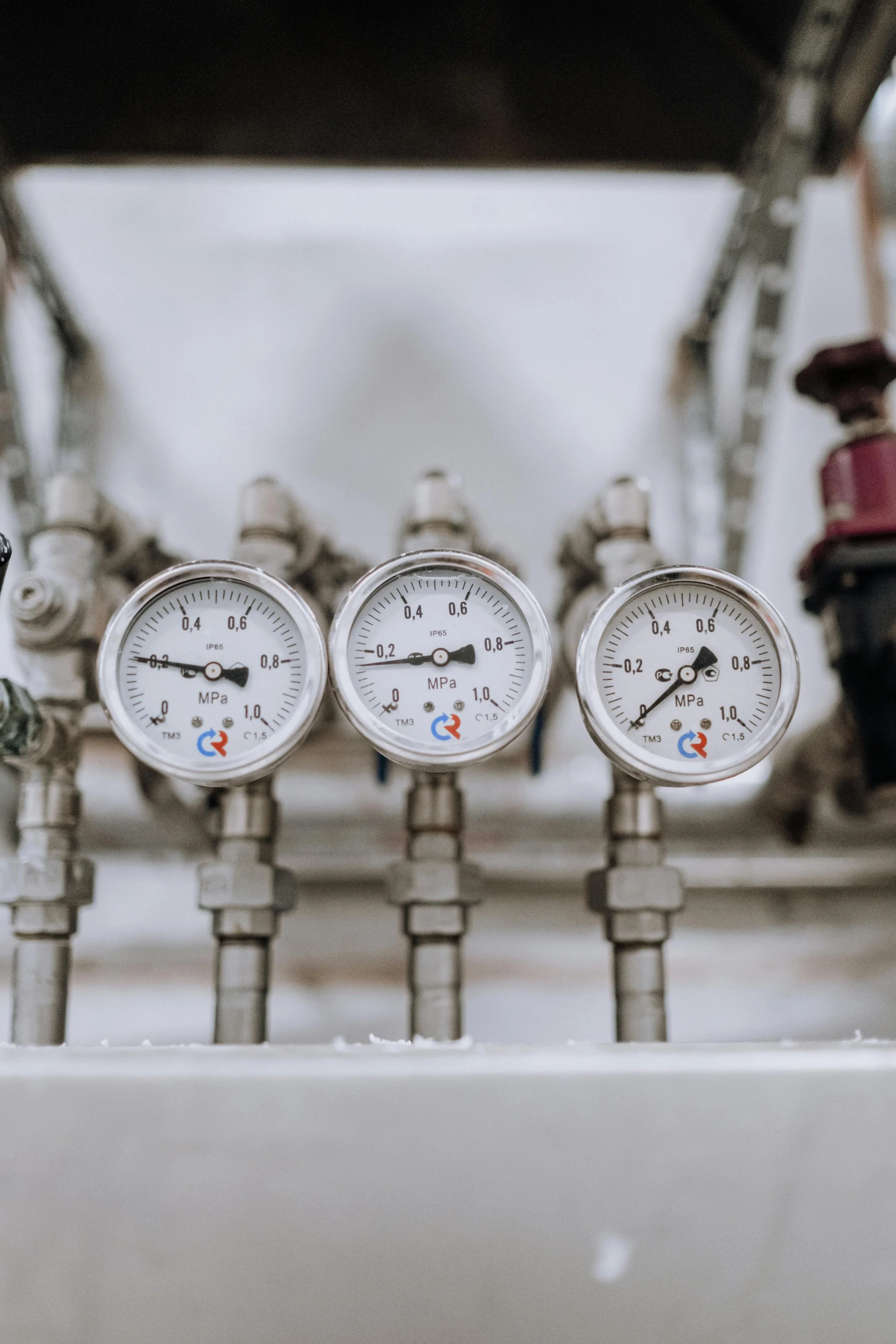
Test the actual water pressure with a gauge.
Replace old or clogged fixtures.
If the problem involves pipe corrosion, leaks, or a failing pressure regulator, contacting a professional plumber is usually the best solution.
Bottom Line
Low water pressure often results from clogged pipes, leaks, faulty regulators, or supply issues. Early identification helps building managers restore water flow and prevent larger plumbing problems.
-Klaus