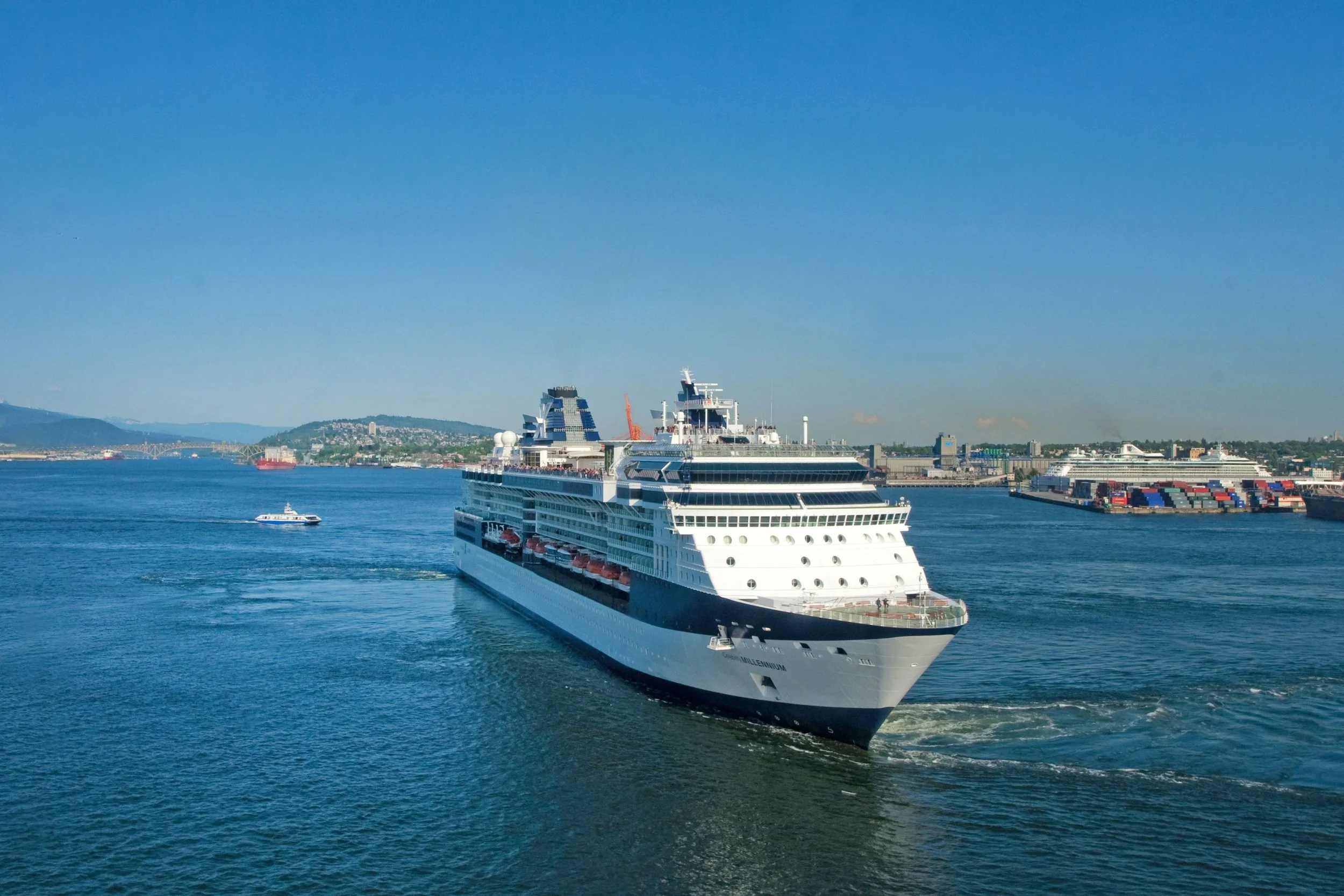
Image by Jefrey Surianto, found on Prexels
Managing freshwater supplies is one of the most resource-intensive challenges in the maritime industry. A modern mega-cruise vessel can consume upwards of 250,000 gallons of fresh water daily to service passenger suites, crew quarters, dining operations, laundry facilities, and sanitation systems—exceeding one million gallons over a standard seven-day itinerary.
Unlike land-based facilities tied to municipal grids, ships must generate, process, and manage their water supply while underway. Minimizing onboard water demand directly enhances operational efficiency, as transporting excess water adds substantial weight to the hull, driving up fuel costs and vessel emissions.
Restroom Plumbing: High-Impact Upgrades for Marine Vessels
Restroom fixtures represent one of the most effective areas for immediate freshwater savings. Facility management data reveals that nearly 90% of industry professionals anticipate global water scarcity to worsen, with 72% emphasizing the necessity of water-efficient fixtures. Marine operators can adopt these proven land-based strategies to optimize high-traffic shipboard restrooms:
High-Efficiency Toilets: Transitioning from older models to modern 1.28-gallon-per-flush (GPF) options drastically decreases freshwater consumption per cycle while maintaining familiar operation for passengers and crew.
Flow-Restricted Faucets & Showers: Aerators and sensor-activated faucets limit unneeded flow in public facilities, spa zones, and crew quarters, stopping water waste the moment a user steps away.
Advanced & Waterless Urinals: Traditional urinals consume tens of thousands of gallons annually. Low-flow options minimize volume, while waterless urinals eliminate flush water entirely reducing both freshwater production requirements and wastewater volume.
Implementing modern, low-flow plumbing infrastructure allows cruise lines to lower operating expenditures, streamline ship weight, and meet stringent marine environmental standards without compromising the passenger experience.
-Klaus