Think urinals are just a standard restroom fixture? Think again. The history of urinals is a fascinating journey of engineering, from ancient sanitation systems to bold artistic statements and cutting-edge water-saving technology.
Today, urinals are a cornerstone of sustainable building design. By helping facilities reduce water consumption and overhead costs, modern fixtures are essential for meeting 21st-century environmental goals. Let’s explore how the humble urinal evolved—and why it matters more than ever.
1. A Surprisingly Ancient Invention
While many believe urinals are a modern convenience, their origins date back over a millennium.
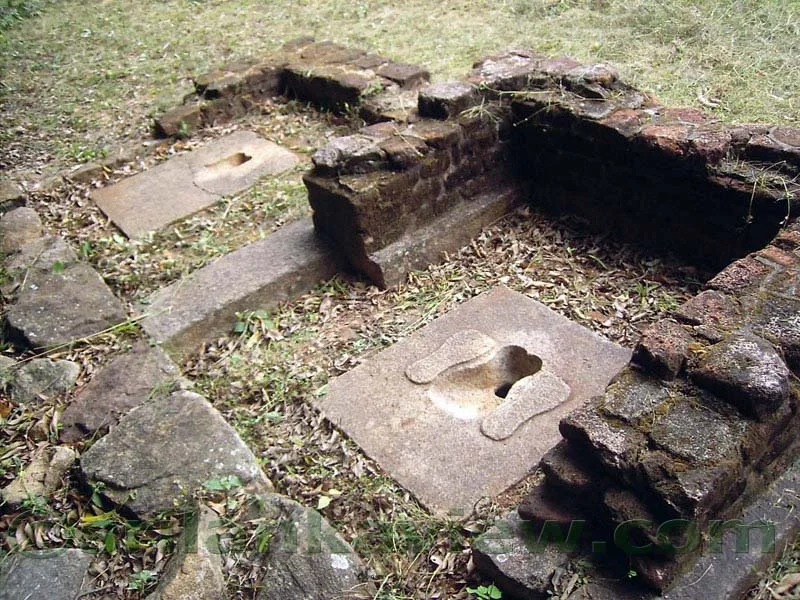
9th Century Sri Lanka: Archaeologists have uncovered urinal-like systems designed for efficient waste management.
1830s Paris: The first widely recognized public urinals, known as pissoirs, were installed to improve urban hygiene.
The Rise of the Pissoir: By the early 20th century, Paris boasted over 1,000 of these street fixtures, setting a sanitation standard for all of Europe.
2. Transitioning from Streets to Indoor Plumbing
As architecture and plumbing evolved, so did the urinal. The primary distinction lies in their environment:
Pissoirs: Historically outdoor, public fixtures used for city-wide sanitation.
Modern Urinals: Indoor plumbing systems integrated into commercial, industrial, and institutional buildings.
With the advent of advanced drainage, urinals became a standard feature in high-traffic areas like schools, offices, and stadiums.
3. The First Patent and Early Designs
In 1886, Andrew Rankin was granted the first official urinal patent. However, historical records suggest a woman may have originally conceptualized the design—an often-overlooked contribution to sanitation history.
Early manufacturers experimented with diverse materials before settling on the standards we see today:
Initial Materials: Wood, glass, and cast iron.
Ornate Craftsmanship: Mid-1800s cast-iron models from Scotland often featured decorative privacy screens, blending industrial function with Victorian aesthetics.
The Shift to Ceramics: Eventually, non-porous materials like porcelain and ceramic became the gold standard for hygiene.
4. The Birth of Waterless Urinal Technology
The most significant leap in efficiency occurred in the late 19th century. Wilhelm Beetz developed the first waterless urinal, utilizing a sesame oil-based siphon to trap odors while allowing waste to pass through.
While Beetz’s design was ahead of its time, his core concept—blocking sewer gases without the need for a flush—remains the foundation of modern eco-friendly restroom solutions.
5. When Urinals Became Art: Marcel Duchamp
In 1917, the urinal transcended the restroom and entered the gallery. Artist Marcel Duchamp submitted a porcelain urinal titled Fountain to an exhibition, sparking a global conversation on the definition of art. Today, it remains one of the most influential works of the modern era, proving that even functional objects can reshape culture.
6. The Rise of Waterless Urinals in Sustainable Buildings
Since Waterless Co., Inc. introduced the technology to North America in 1991, the adoption of No-Flush™ urinals has skyrocketed. This shift is driven by a global push for LEED certification and sustainable management.
Key Markets for Waterless Technology:
Commercial: Office buildings and corporate headquarters.
Education: Schools and university campuses.
Public Venues: Airports, theaters, and sports stadiums.
Healthcare: Hospitals and clinics.
Why Facilities are Switching:
1. Water Scarcity: Increasing global droughts make water conservation a priority.
2. Cost Savings: Lower utility bills and reduced plumbing maintenance.
3. ESG Goals: Stricter environmental, social, and governance regulations.
4. Hygiene: Reducing touchpoints and moisture helps limit the spread of bacteria.
Did you know? A single waterless urinal can save thousands of gallons of potable water every year.
Why Restroom Evolution Matters Today
The shift from ancient stone drains to high-tech waterless systems reflects our changing relationship with natural resources. Most modern buildings still use treated, potable water to flush toilets—a luxury that is becoming increasingly unsustainable.
As population growth and climate pressures intensify, upgrading to high-efficiency restroom fixtures is one of the simplest, most impactful ways to protect our environment.
The Future Doesn't Flush
From the streets of Paris to the sustainable skyscrapers of today, urinals have come a long way. Are you ready to join the movement toward smarter water management?
-Klaus
Image Above: A 9th century urinal uncovered in Sri Lanka. Image found on Blogspot and Wikipedia.