Image by Panumas Nikhomkhai found on Prexels
Until recently, Artificial Intelligence (AI) was viewed as a distant "future trend." That changed overnight. The rapid adoption of AI technologies has caught even industry leaders off guard, but for building owners and managers, the impact is hitting an unexpected place: the utility bill.
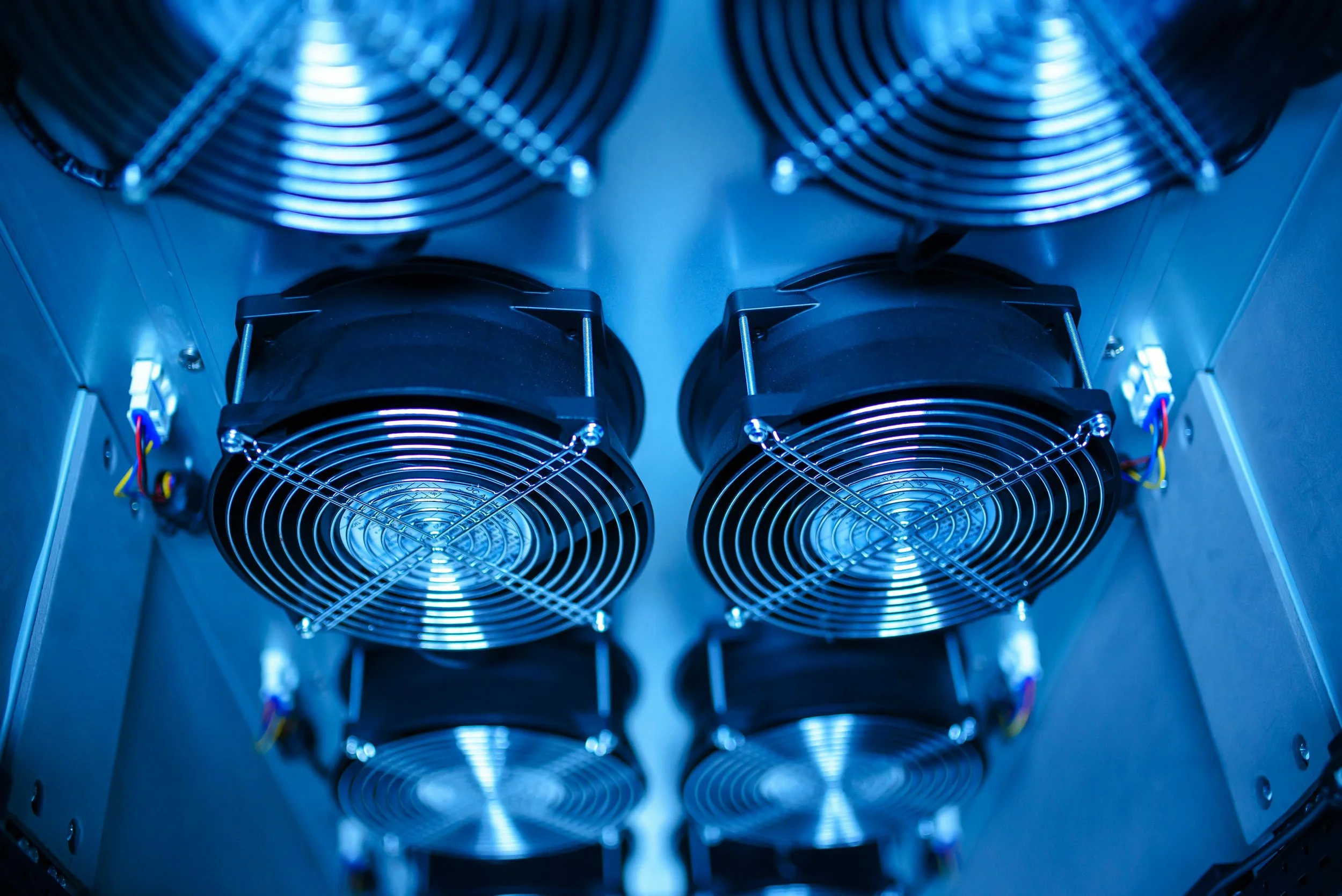
AI data centers require massive amounts of water for cooling. As these facilities multiply, they strain municipal water supplies, leading to higher utility rates for everyone downstream. With building occupancy rising, water costs are becoming a critical line item in operating budgets.
Paradoxically, the solution to the "AI water problem" is AI itself. Here is how building owners can use AI-powered water conservation strategies to protect their bottom line.
1. Shift to AI-Powered Proactive Maintenance
Traditional maintenance is reactive or based on rigid schedules that don't account for real-time wear and tear. AI-powered maintenance systems use IoT sensors to monitor vibration, heat, and usage patterns.
By using AI to forecast equipment failure, managers can:
Extend the lifespan of expensive mechanical systems.
Generate autonomous service tickets before a leak occurs.
Reduce emergency repair costs and tenant disruptions.
2. Eliminate "Ghost Flows" with Real-Time Detection
Many managers don't realize they have a leak until a massive utility bill arrives. These "ghost flows" waste thousands of gallons and cause hidden structural damage.
AI-driven systems can differentiate between minor issues—like a running toilet—and catastrophic failures like a burst pipe. When a serious leak is detected, these systems can automatically trigger shutoff valves, preventing financial loss and expensive property damage.
3. Implement Condition-Based Restroom Maintenance
In commercial facilities, restrooms account for the largest share of water consumption. Conventional flush urinals alone can consume up to 35,000 gallons of water annually.
While waterless urinals are a superior alternative, they still require maintenance. AI helps transition this from a "fixed schedule" to "condition-based" maintenance:
Smart Sensors: Alert staff only when a cartridge actually needs replacement, reducing waste.
Efficiency Monitoring: AI tracks flush frequency and volume for high-efficiency toilets, ensuring they maintain the engineered 1.28 gallons per flush and don't degrade over time.
The Bottom Line: Future-Proofing Your Facility
AI is evolving faster than most anticipate. By integrating AI-driven water management today, owners can operate more efficiently, slash overhead, and improve the tenant experience. In an era of rising rates, proactive water conservation isn't just a sustainability goal—it’s a financial necessity.
Author Bio
Klaus Reichardt is the founder and CEO of Waterless Co. LLC in Vista, California. A recognized authority on water conservation since 1991, he leads the industry in innovative plumbing solutions, including the Waterless No-Flush urinal.