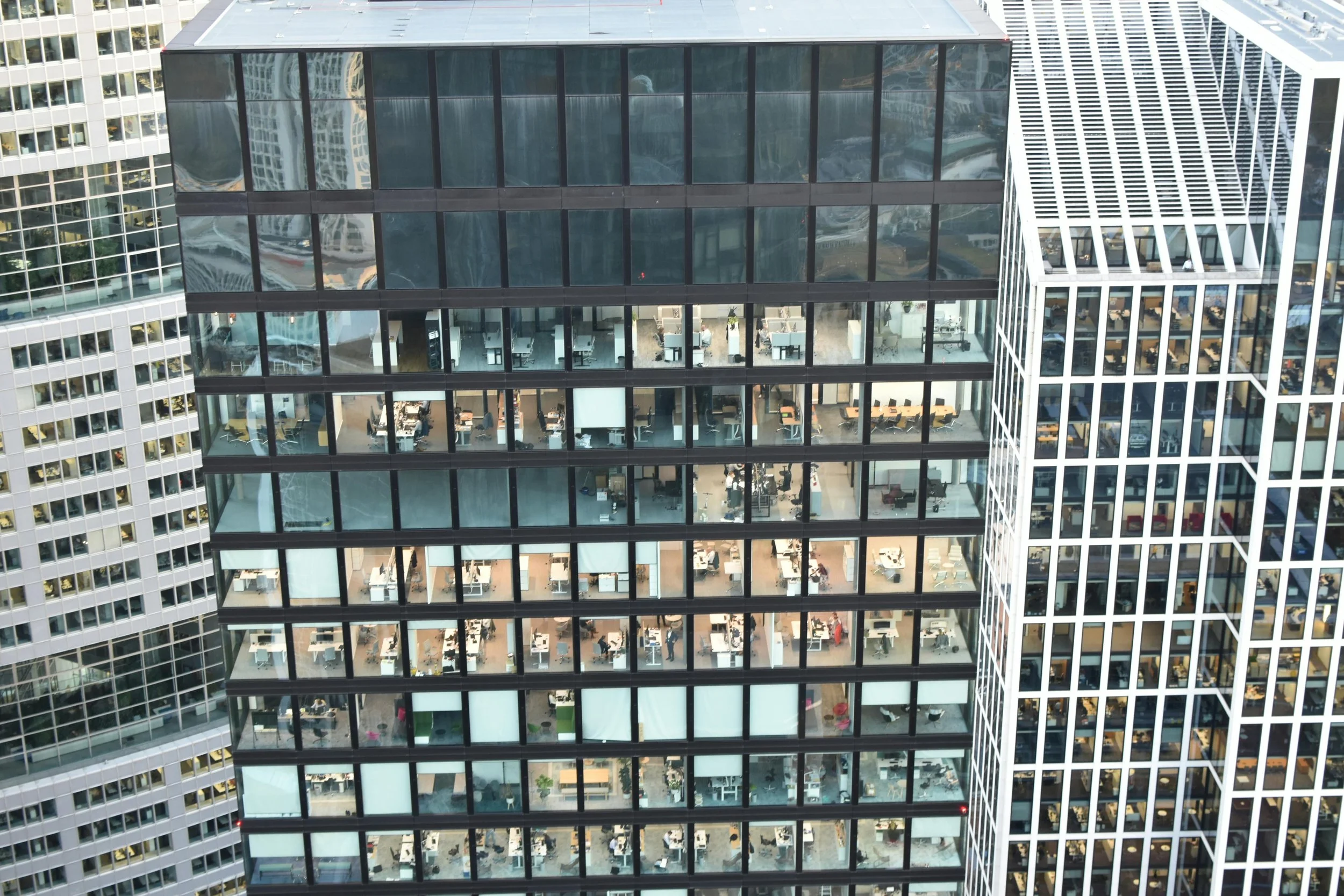
Image by Karl Sune Found on Prexels
Let’s talk about something that might not be on your daily radar but absolutely should be: water scarcity.
As we head into the summer of 2026, drought conditions are tightening their grip across the country. Right now, dry conditions are impacting about 51% of all U.S. regions and a staggering 61% of the contiguous states.
If you think this is just a regional headache for a few desert states, think again. With summer temperatures climbing, water rates spiking, and local municipalities tightening restrictions, water management is quickly becoming a major operational risk for commercial real estate everywhere.
The Anatomy of the Dry Spell
How did we get here? A lot of it comes down to the stubborn La Niña cycle we just wrapped up this past winter. That climate pattern typically bakes the Southern and Southwestern U.S. with warmer, drier weather.
And while that La Niña has officially ended, meteorologists are tracking a 62% chance that an El Niño will develop between June and August. But don't let the shift fool you—an El Niño doesn't automatically mean the rain gates are going to open for drought-stricken areas. In fact, near-term forecasts suggest parts of the South and Southwest might actually see conditions get tougher before they get better.
For facility managers, the message is clear: Hope is not a strategy. It’s time to optimize.
Step 1: Upgrading the Mechanical Backbone
Slashing water consumption doesn't mean you have to disrupt your daily business operations. It’s all about finding and fixing the invisible inefficiencies hiding in your building.
Here are the heavy-hitting operational moves that move the needle:
Audit Your Baseline: If you haven’t done a comprehensive water audit in the last two to five years, start there. You can’t fix what you aren't measuring.
Get Smart with Sub-Metering: Don't just look at the main municipal meter. Install sub-meters to track specific zones so you can isolate spikes and catch hidden leaks early.
Deploy Real-Time Monitoring: Smart plumbing sensors can alert your team to a major pipe failure or a stuck flush valve the exact minute it happens, saving thousands of gallons in a single afternoon.
Tweak the Cooling Towers: Cooling towers are notorious water hogs. Optimizing your cycles of concentration minimizes water lost to unnecessary bleed-off and evaporation.
Swap Out Dated Fixtures: Upgrading to high-efficiency retrofits—like low-flow toilets and waterless urinals—permanently lowers your building's baseline consumption without requiring anyone to change their habits.
Ditch the Fixed Irrigation Timers: Switch to smart, weather-based irrigation controllers that only water the landscaping when the soil and local weather conditions actually demand it.
Step 2: The Missing Link? Tenant Behavior
Here is the truth that trips up almost everyone: You can install the most advanced mechanical systems in the world, but if your tenants aren't on board, your conservation goals will stall.
When water restrictions hit, most management teams instinctively focus on common areas, central HVAC systems, restrooms, and outer landscaping. Meanwhile, private offices, corporate suites, and tenant-controlled spaces are left completely out of the conversation.
In a typical commercial office building, tenant break rooms, private kitchens, and executive restrooms account for a massive chunk of total water use. To get real, double-digit drops in your utility bills, you have to bring your tenants into the loop.
Here is how to get them to actively care:
Ditch the Fluff, Share the Facts: Launch a transparent awareness campaign. Let your tenants know exactly how severe the local drought is and give them a clear, shared target to shoot for.
Make Reporting Frictionless: Give occupants a dead-simple way to report a dripping faucet or a running toilet. If the reporting process takes too long, people will just walk away.
Open Up the Data: Share the building’s water usage and cost metrics. When people can see the numbers, the problem becomes real.
Gamify the Goals: Set friendly, measurable reduction targets for different floors or suites, and publicly recognize the teams that step up. Everyone loves a little friendly corporate competition—especially when it's for a good cause.
The Big Picture
Drought is no longer a localized environmental talking point; it is a widespread operational reality.
Navigating it successfully requires a two-pronged approach: tightening up your mechanical infrastructure and actively engaging the people who use the building every day. Property managers who successfully bridge that gap won't just protect the environment, they’ll insulate their properties against rising utility costs and keep their operations running smoothly, no matter how dry the summer gets.
About the Author:
Klaus Reichardt is the founder and CEO of Waterless Co., Inc., based in Vista, California. The company specializes in waterless urinals and environmentally conscious restroom solutions. Learn more about optimizing your commercial facility at www.waterless.com.