Image by Yoda Adimin
Cape Town, South Africa
After narrowly escaping "Day Zero," Cape Town has become a benchmark for municipal water efficiency. However, persistent multi-year drought risks, severe weather events across southern Africa, and ongoing population growth continue to test its modernized infrastructure.
Mexico City, Mexico
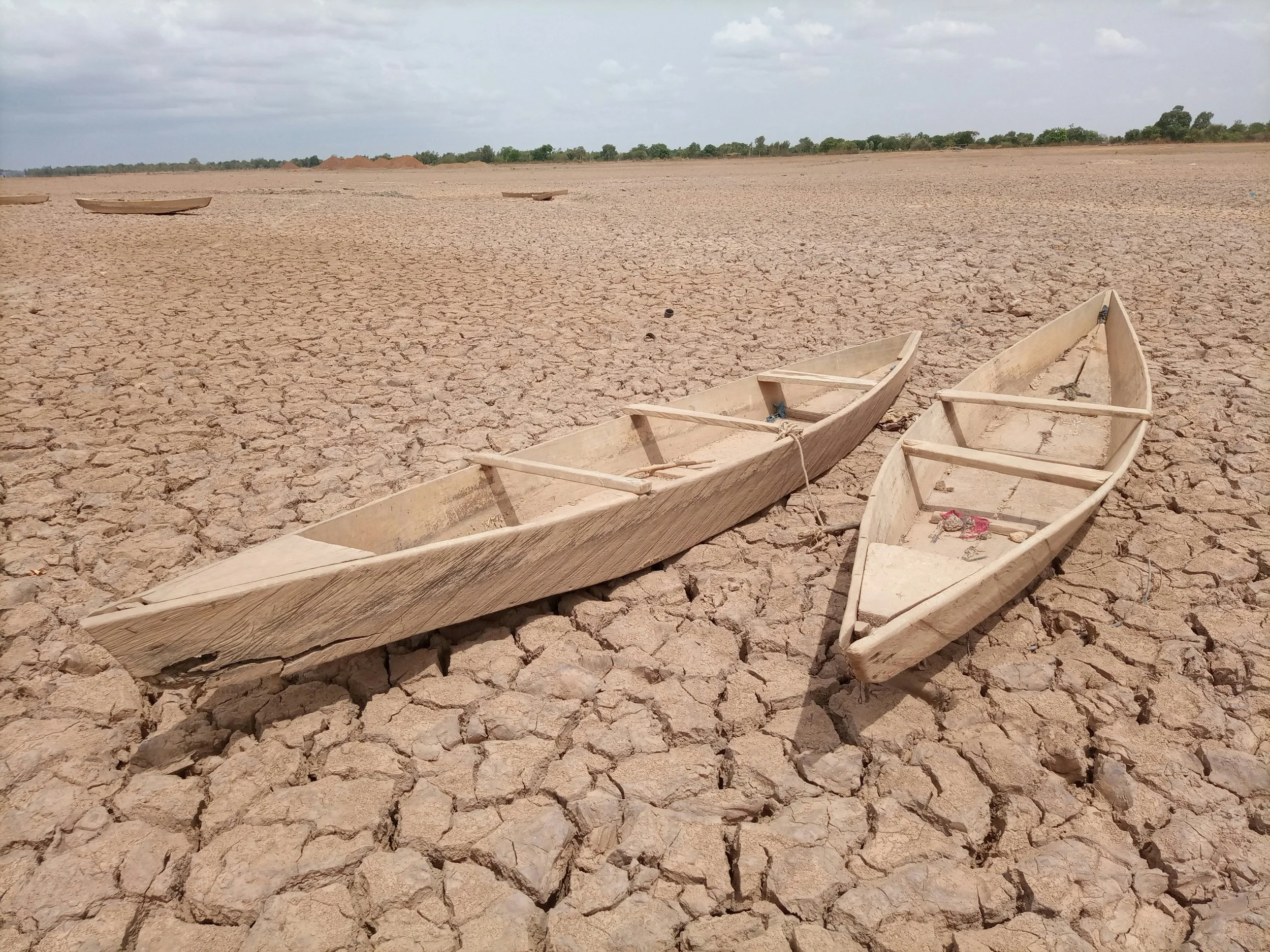
Mexico City's water situation has reached critical levels. In 2024, the Cutzamala reservoir system hit historical lows of around 27percent capacity due to prolonged droughts and El Niño conditions. Hundreds of neighborhoods now face regular rationing, and groundwater extraction continues to deplete underground aquifers faster than they can recharge.
São Paulo, Brazil
Severe conditions have returned following several consecutive years of below-average rainfall. The city's key Cantareira reservoir system has faced renewed pressure due to surrounding deforestation in the Amazon and aging infrastructure that loses roughly 29 percent of its treated water to leaks before reaching taps.
Beijing, China
Over-extraction, rapid urbanization, and agricultural demand remain severe strains. While massive engineering projects like the South-to-North Water Diversion continue to supply the capital, surface water pollution and the imbalance between feeding China's vast population and powering major urban centers keep water security on a tightrope.
Los Angeles, California
Following historic multi-year droughts and critical cutbacks along the Colorado River Basin, Los Angeles and the broader Southwest continue to manage tight allocations. Groundwater overdraft and reduced snowpack levels keep long-term water solvency a central focus of California's state environmental policy.
Bengaluru (Bangalore), India
Rapid expansion in India's technology hub led to severe water crises in 2024 and ongoing stress in subsequent dry seasons. The city relies heavily on water tankers and daily hauling, as local lakes remain polluted and groundwater tables are drastically depleted.
“The United Nations predicts this decade will be our most difficult in history when it comes to water,” says Klaus Reichardt, CEO and Founder of Waterless Co., Inc. “Our only option is to reduce consumption and use water more efficiently.”