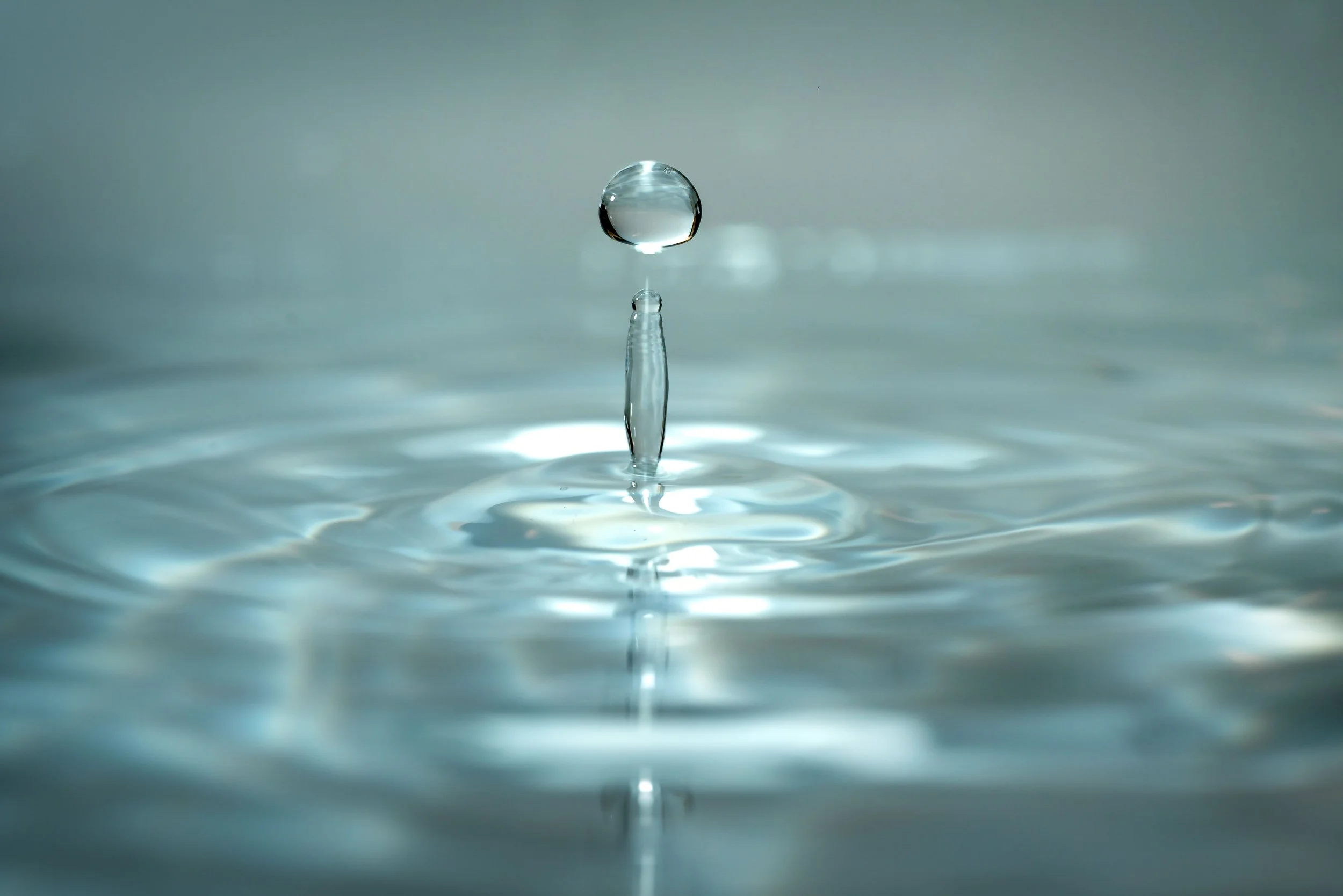
Image by Quang Nguyen Vinh
FOR IMMEDIATE RELEASE
Date: September 11, 2026
Media Contact: Robert Kravitz | Public Relations & Media Communications
Email: robert.kravitz@outlook.com
Water Efficiency Guide: Benefits, Key Upgrades & Action Plan
New Strategic Framework Outlines Permanent Solutions to Help Commercial Facilities and Communities Combat Growing Water Scarcity and Rising Operational Costs
Vista, Ca — As population growth, persistent drought, and aging infrastructure continue to strain municipal water supplies across the country, businesses and facility managers face mounting pressure to reduce water consumption.
A newly released industry overview titled "Water Efficiency: What It Is, Why It Matters, and How to Improve It" highlights practical strategies for commercial, industrial, and residential properties to achieve permanent water savings without compromising operational performance.
The guide, found on LinkedIn, emphasizes a critical distinction that is often overlooked in sustainability planning: the difference between water conservation and water efficiency.
While conservation focuses on temporary behavioral reductions during shortages, water efficiency delivers permanent, long-term structural reductions by upgrading technologies, eliminating waste, and optimizing system performance.
"Water efficiency is about getting the greatest possible benefit from every gallon," said Klaus Reichardt, CEO and Founder of Waterless Co., Inc. "The smartest way to manage water is either to find ways not to use it at all or to ensure that if a gallon of water must be used, it accomplishes its job perfectly without requiring another gallon to back it up."
Key Benefits of Commercial Water Efficiency
• Protects Critical Water Resources: Stretches local water supplies and reduces pressure on rivers, lakes, and underground aquifers without costly infrastructure expansions.
• Lowers Operational & Utility Expenses: Yields direct savings on water and sewer bills, alongside reduced energy costs for water pumping, heating, and treatment.
• Strengthens Climate Resilience: Prepares commercial facilities to maintain full operational continuity during droughts and municipal water restrictions.
• Reduces Wastewater Demands: Decreases overall discharge volume into municipal collection and treatment facilities.
Ten Step Roadmap
To assist facility managers in starting or upgrading their water management programs, the guide lays out a structured, 10-step practical roadmap:
1. Establish a Baseline: Evaluate historical utility bills and consumption patterns.
2. Conduct a Water Audit: Identify key usage zones, high-volume fixtures, and system losses.
3. Address Leaks Instantly: Perform regular inspections of plumbing, cooling systems, and irrigation lines.
4. Target High-Volume Areas: Focus early capital expenditures on high-use fixtures to maximize return on investment (ROI).
5. Upgrade Legacy Plumbing: Install high-efficiency toilets (1.28 GPF or lower), low-flow aerators, and no-water restroom technologies such as waterless urinals.
6. Optimize Irrigation: Deploy smart weather-based controllers and drip systems to prevent evaporation and runoff.
7. Implement Submetering: Install multi metering systems to track consumption across individual building zones or mechanical systems.
8. Explore On-Site Water Reuse: Recapture non-potable water for secondary industrial or landscape applications.
9. Engage Building Occupants: Train staff and tenants on proactive water-saving habits.
10. Track & Measure Results: Continuously monitor utility savings and operational performance over time.
###
About Waterless Co., Inc.
Established in 1991, Waterless Co., Inc. is a pioneer in commercial water efficiency and non-water plumbing technology. Headquartered in Vista, California, the company specializes in manufacturing innovative, high-performance waterless urinals and sustainable restroom solutions that help commercial buildings lower operating costs, conserve natural resources, and advance facility sustainability worldwide.