
image found on Prexels
Few building problems generate complaints as quickly as the smell of sewer gas. In schools, these odors can spread through classrooms, hallways, cafeterias, and restrooms, creating an unpleasant environment for students, teachers, and visitors.
Finding the source, however, isn't always straightforward. Large school buildings often contain miles of plumbing, numerous floor drains, crawl spaces, mechanical rooms, and rooftop vent stacks, making odor investigations challenging.
Before scheduling an expensive plumbing service call, maintenance personnel can often eliminate several common causes of sewer gas odors on their own.
A Maintenance Manager's Question
A facilities director from a Midwestern school district recently contacted us with a familiar problem.
"We've been trying to locate persistent sewer gas odors in one of our largest schools. We've inspected the basement, searched the crawl space, and still haven't found the source. Spring Break is coming, and we'd like to solve the problem before students return. Do you have any suggestions?"
While every building is different, this situation illustrates the troubleshooting process many school maintenance departments face.
Start by Identifying the Strongest Odor
Rather than inspecting the entire campus at once, determine exactly where the odor is most noticeable.
Ask questions such as:
Does the smell occur only in one restroom?
Is it concentrated near a hallway or classroom?
Does the odor appear only at certain times of day?
Is it stronger on one floor than another?
Narrowing the search area significantly reduces the number of possible causes and helps maintenance staff focus their efforts.
Look for Signs of Structural Movement
If the odor appears in a specific area, inspect the surrounding floor for evidence of settling or cracking.
Concrete slabs can shift over time, placing stress on drain piping beneath the floor. Even slight movement may loosen pipe joints or fittings, creating pathways for sewer gases to escape.
When investigating, maintenance personnel should carefully examine:
Basement ceilings beneath the affected area
Crawl spaces
Floor cracks
Pipe connections
Drain lines below the slab
Visible damage isn't always obvious, but even minor separations can allow unpleasant odors into occupied spaces.
Examine Drain Connections
Loose plumbing fittings are another frequently overlooked source of sewer gas.
Drain assemblies serving sinks, floor drains, utility rooms, and restrooms should be inspected for loose joints or deteriorated connections. Even when water isn't leaking, escaping sewer gas can produce noticeable odors throughout nearby classrooms and corridors.
Including these inspections as part of routine preventive maintenance can help identify problems before they become major complaints.
Don't Forget the Roof Vent System
Every plumbing system relies on vent stacks that extend through the roof to equalize air pressure and allow wastewater to flow properly.
When these vents become obstructed, sewer gases may seek another path into the building.
Common causes of blocked vent stacks include:
Leaves and debris
Bird nests
Insects
Ice damage in colder climates
A quick inspection of rooftop plumbing vents may reveal an obstruction that's contributing to indoor odors.
One of the Most Common Culprits: Dry Drain Traps
If plumbing connections appear sound and vent stacks are clear, consider one of the simplest—and most common—causes of sewer odors: evaporated trap seals.
Nearly every sink, floor drain, and similar plumbing fixture contains a P-trap (or J-trap) that holds a small amount of water. That water forms a seal that prevents sewer gases from traveling back into the building.
When a drain goes unused for weeks or months, the water slowly evaporates.
Once the trap dries out, sewer gas can pass directly into occupied areas.
Schools are particularly susceptible because many drains receive little use during:
Summer vacation
Winter break
Spring break
Holiday closures
Infrequently occupied classrooms
Storage rooms
Mechanical spaces
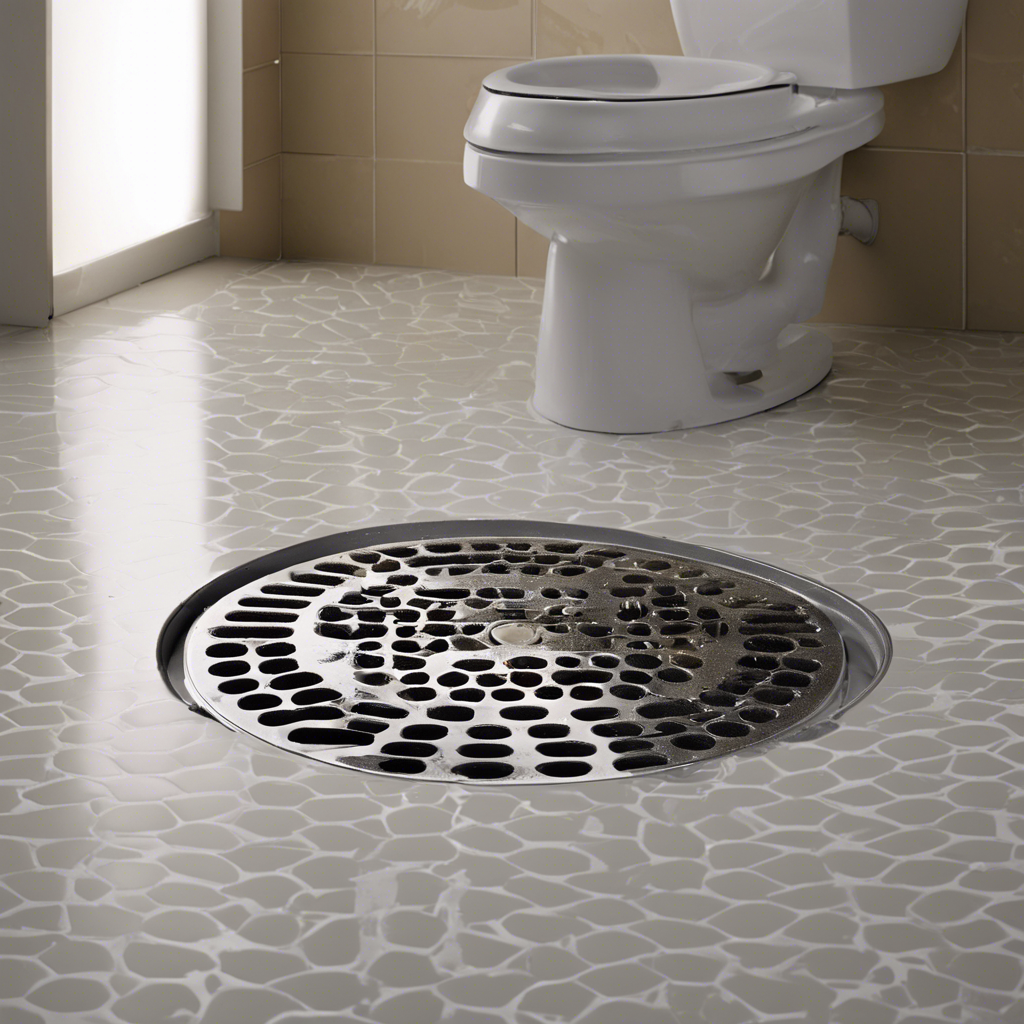
Floor drains that are rarely mopped or utility sinks that see little use are often the first places to check.
Restoring the Trap Seal
The simplest solution is often to restore the water barrier.
Begin by slowly pouring approximately one gallon of water into the suspect drain. This refills the trap and may immediately reduce odors.
For drains that remain unused for extended periods, many facility managers also apply a drain trap sealer to slow future evaporation.
Products such as EverPrime create a protective layer over the water in the trap, helping preserve the seal for much longer than water alone. After refilling the trap, adding about three ounces of the product allows maintenance staff to monitor whether the odor subsides over the next several days.
If the smell disappears, the district may have solved the problem without the expense of a plumbing repair.
When to Call a Licensed Plumber
Although many sewer odor problems stem from dry traps or minor maintenance issues, some situations require professional diagnosis.
If odors persist after checking drain traps, plumbing vents, pipe connections, and structural conditions, the next step should be contacting a licensed plumber. Persistent sewer gas may indicate damaged underground piping, failed seals, or other plumbing defects that require specialized equipment to locate and repair.
Preventing Sewer Odors Before They Return
The best approach is prevention. Schools can reduce future odor complaints by incorporating a few simple tasks into their preventive maintenance program:
Refill floor drains before and after extended school breaks.
Inspect plumbing vents periodically for obstructions.
Check drain fittings during annual building inspections.
Monitor areas with infrequently used sinks and floor drains.
Consider using a drain trap sealer in drains that remain idle for long periods.
These relatively simple maintenance practices can help keep classrooms, restrooms, and common areas odor-free while reducing unnecessary service calls and minimizing disruption to school operations.
Suggested SEO Keywords: sewer gas odors in schools, school plumbing maintenance, sewer smell in school buildings, dry P-trap odor, floor drain odor control, blocked plumbing vent, drain trap sealer, restroom odor prevention, facility maintenance, EverPrime