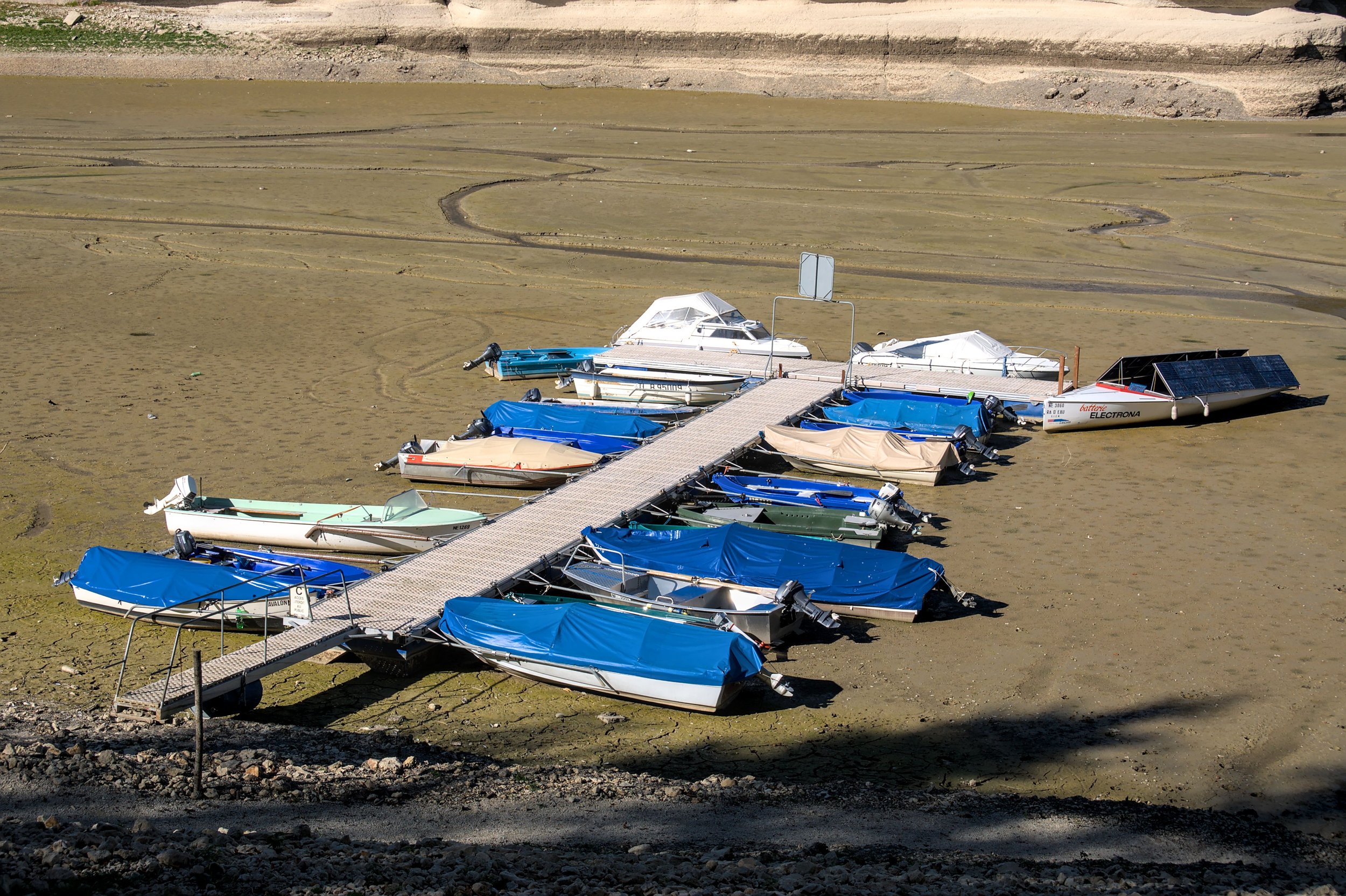
Boats in once was a lake. Image by Jean Paul Wettison found on Prexels
Water security is becoming one of the most important environmental and economic issues of our time. Around the world, communities are facing increasing water shortages caused by drought, groundwater depletion, climate change, over-allocation, and growing demand. What was once considered a temporary water crisis is now being recognized as a long-term global challenge.
From North America and Europe to the Middle East and Asia, water scarcity is no longer limited to isolated regions. It is becoming a persistent issue that affects cities, industries, utilities, and public infrastructure. As a result, **water efficiency** is no longer just a sustainability goal — it is a necessary strategy for resilience, cost control, and long-term resource management.
The Growing Global Water Security Problem
Water security refers to the reliable availability of enough clean water to support people, businesses, agriculture, and ecosystems. That reliability is under increasing pressure.
In places such as England and London, extreme heat and flash drought conditions have already led to hosepipe bans and water use restrictions. In major cities such as Los Angeles, New York, Beijing, and Delhi, growing water stress is placing additional pressure on aging water infrastructure and municipal supply systems.
At the same time, water scarcity is creating broader economic risks. In the Middle East and parts of Asia, water shortages are intricately linked to food security, energy reliability, and GDP growth. As water availability becomes less predictable, the need for stronger infrastructure resilience and smarter water management continues to grow.
Why Water Efficiency Is Essential
As global water stress increases, reducing demand is one of the fastest and most effective ways to improve water security. While new infrastructure investments remain important, **water efficiency solutions** can deliver immediate results by lowering consumption and reducing strain on existing systems.
For commercial buildings, public facilities, and institutional properties, this means paying close attention to daily water use. Restrooms are one of the most critical areas to evaluate because they account for a significant share of building water consumption. Even minor changes in fixture selection can produce meaningful long-term savings.
Waterless Urinals and Restroom Water Efficiency
One of the most effective ways to reduce restroom water use is through the installation of **waterless urinals**. These fixtures eliminate flush water entirely, helping facilities reduce potable water consumption and lower wastewater volumes at the same time.
Waterless urinals can also support sustainability goals in several ways:
- Reduce water consumption in commercial and institutional buildings.
- Lower wastewater and sewer treatment demand.
- Help cut utility costs over time.
- Support green building certifications and ESG targets.
- Improve restroom water efficiency with a simple, scalable solution.
When properly installed and maintained, waterless urinals can be a practical choice for schools, office buildings, airports, stadiums, and other high-use facilities. They are especially valuable in areas experiencing water shortages or for organizations looking to improve operational sustainability.
The Role of Water Efficiency in Building Sustainability
Water efficiency is becoming a key part of building sustainability strategies. As regulations, drought conditions, and utility costs continue to evolve, property owners and facility managers are under increasing pressure to reduce water use without sacrificing performance.
Restroom upgrades, fixture retrofits, and water-saving technologies can help buildings become more efficient while supporting broader environmental goals. In many cases, these improvements can also contribute to lower operating costs and better long-term resource planning.
Final Thoughts
Water security is no longer a distant concern. It is a global issue with serious implications for cities, businesses, and communities. As water scarcity continues to grow, **water efficiency** will play a vital role in reducing demand, improving resilience, and supporting sustainable infrastructure.
For commercial and public facilities, solutions such as waterless urinals offer a practical way to reduce water use and contribute to long-term conservation goals. In a world facing increasing water stress, efficiency is not just the best practice, it is a necessity.
Contact us for more information about lowering your water utility bill and reducing water consumption in your facility and do it today.