
Water makes the world go around. Moreover, it is a scarce resource that many people take for granted. If you no longer want to waste water, or you are looking to cut down on the cost of your monthly water bill, then you may want to consider making a few changes in your home. For starters, the restroom is generally the place where water is wasted the most. Visitors leave the water running when washing hands, and there may be outdated toilets that are not equipped as water saving toilets.
Non Flushing Urinals - What They are and How They Work
The world of waterless flushing is not necessarily a new one, but it is a rather recent development in the need to preserve a valuable resource. At Waterless Co., we provide non flushing urinals that are being used by all types of businesses in an effort to be eco-friendly. We understand that this might be your first time hearing the phrase “non flushing urinals”, so let’s go over the basics of what they are, and how they work.
Waterless Urinals Help Ocean Liners Save Water

FAQ: Can Waterless Urinals Really Save Water?
The answer is yes. But before we debate how waterless urinals save water, we’ve got to say the following are guesstimates. The amount typically quoted is that one waterless urinal can result in 35,000 gallons of water saved per year.
However, the amount of water saved when waterless urinals are installed can vary as a result of several factors, starting with where they are installed. Are the waterless urinals located in the men’s restroom of a bar or restaurant? A school or library? An airport or convention center? A home?
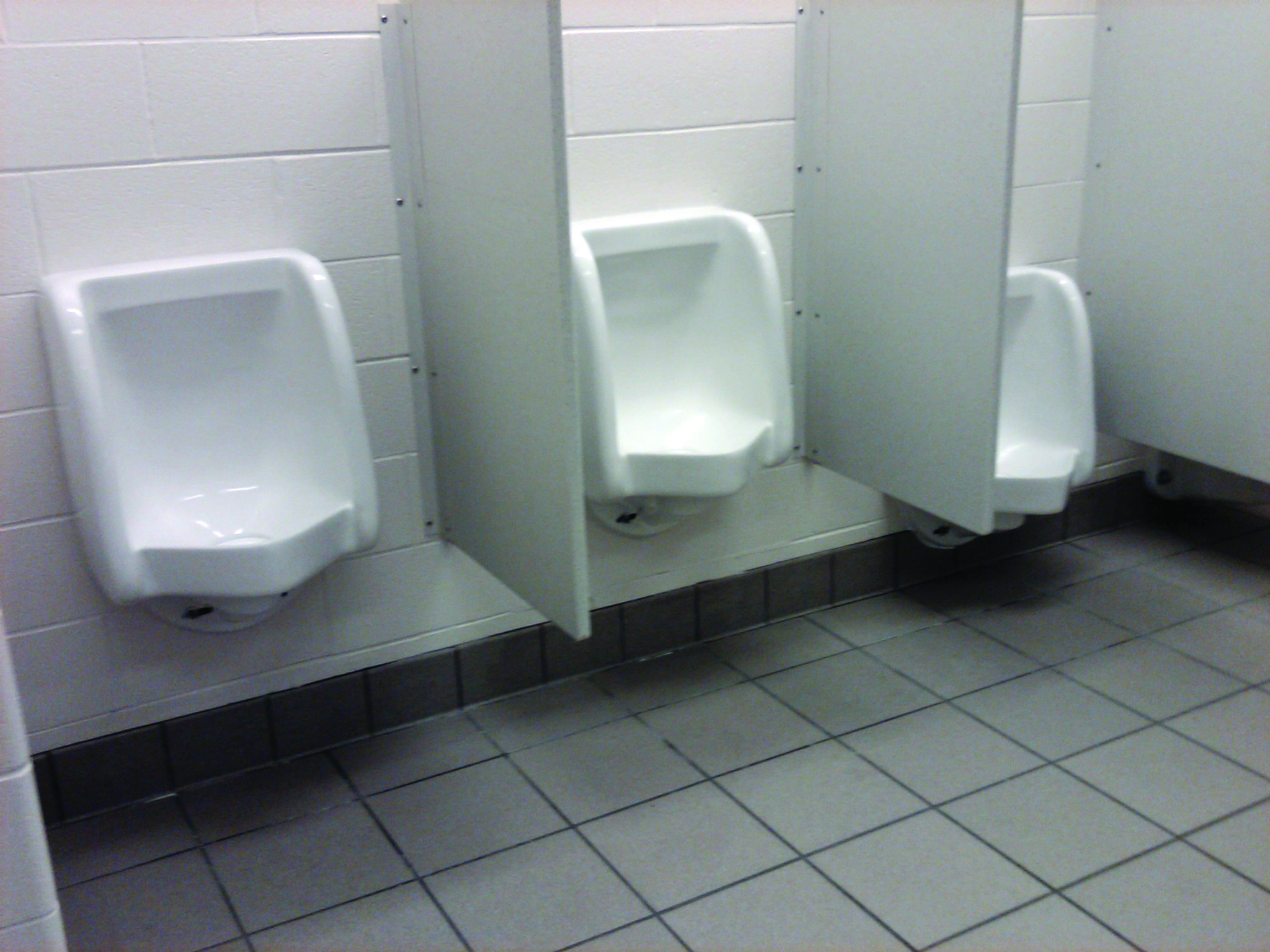
A convention center may only be used half the year so the amount of water consumed by its urinals, even if there are many large men’s restrooms in the facility, may differ considerably from the amount consumed in a busy restaurant/bar frequented seven days a week throughout the year. So, where waterless urinals are installed¾and how often they are used¾can cause water consumption to vary.
With that in mind, here are some figures typically used to guestimate how much water is used by a traditional water-using urinal. We can turn that around to show how waterless urinals save water:
· In an office with one urinal and 25 male workers, one urinal may use approximately 50,000 gallons of water per year.
· A restaurant with three urinals and an average of 150 male customers per day will use at least 72,000 gallons of water annually.
· An educational facility with 10 urinals and 300 male students can use as much as 330,000 gallons of water per school year (approximately 185 days).*
So to determine just how much water we might be able to save, let’s create the following scenario. Let’s assume we have an office building with 10 men’s restrooms and a total of 30 urinals. Instead of 25 male workers, we have 250 male employees working in this office building every day. The amount of saved water annually if waterless urinals are installed in this building would be approximately 1,500,000 gallons.
That’s a lot of saved water. You can easily see why so many facilities, looking either for ways to reduce water consumption and become more water efficient or seeking LEED-certification, consider installing waterless urinals as one of their first steps. Very often, waterless urinals save enough water for the facility to receive credits for water efficiency.
We should also note that when this much water is saved, it can prove to be a real cost savings for a facility. First there are the costs for the water from the water utility company. But there are also costs to provide water to the facility and remove it. These costs have jumped dramatically around the country in the past few years. And, another cost that is often overlooked is the cost of electricity, required to deliver and remove water.
These rates are typically worked into the water bill so you probably do not even notice them. However, the more water that is consumed in your facility, the more electricity is needed to deliver and remove it, which also impacts the size of your water bill.
So, we have answered your question: do waterless urinals really save water? The answer is yes, waterless urinals do save water. And we have pointed out something else; because waterless urinals save water, they can help lower operating costs as well.
For more information on how to reduce water consumption, waterless urinals, and use water more efficiently, please contact a Waterless Co representative.
FAQ: We get sewer odors in the basement of our office building. What could be causing this?
Before we discuss what could be causing sewer, sewer gas smells released into a basement, restroom, or any other area of a home or facility can be dangerous. According to the Wisconsin Department of Health Services, inhaling very high levels of hydrogen sulfide¾a poisonous gas often found in sewer gas smells¾can lead to loss of consciousness, breathing problems, asphyxiation, and even death.

As to why you have sewer odors in the basement of your office building, there are a variety of reasons why they may be entering a home or business’ basement. These can range from inadequate ventilation and a moldy or rotting sub-floor to toilets that are not properly sealed to the floor. As to the toilet, just grab the fixture and slide it from side to side. If it does not move, this is likely not the problem. If it does, you may have found the sewer gas smell culprit.
However, very often the cause of this problem is dried out pipes. And, since you said the sewer gas smells are in the basement, dried pipes may very likely be the cause. You see, under every drain there is a “P” pipe. The purpose for this “P” pipe is that as a faucet or floor drain is used, it fills with water. This water is what blocks sewer odors from escaping into the room, in your case the basement. But, dried pipes will not have this barrier to prevent sewer odors from escaping.
Steps You Can Take to End Sewer Odors
Fortunately, there are solutions, such as EverPrime, for these issues that we will discuss later in this article. Before we discuss how to deal with sewer odors, let’s discuss what not to do.

Many people pour a half cup or more of bleach down floor drains when they detect sewer odors. Yes, this will likely address the problem and prevent sewer odors, but this is an environmentally unsafe way to handle the situation, especially with dried pipes. Bleach should always be used with care; there may be chemicals lining the dried pipes that may negatively react with the bleach. The bleach may cause corrosion in the pipes. And bleach can also negatively impact waterways once it is released into the sewer.
Here is what you can do to prevent sewer odors and protect dried pipes. Try to determine which drain(s) the sewer gas smell is coming from. It is often a floor drain or a sink drain, etc. Pour about a half cup of water down the problem drain. Now, ventilate the room for up to 24 hours if possible. Within that time period, the sewer odors will likely have dissipated and the sewer gas smell stopped.
However, this is a temporary fix. If this has happened once, it is very likely to happen again. A more permanent fix is to use a product such as EverPrime, manufactured by Waterless Co. With EverPrime, first pour about a gallon of water mixed with just three ounces of EverPrime down the problem drains. Then once again, ventilate the room for about 24 hours.
EverPrime will prevent the “P” pipe from drying out for months. Using EverPrime is a far more permanent fix and safer on dried pipes. Further, EverPrime is not impacted by heat or cold weather.
Because you said these sewer odors are in your basement, it is possible that warm weather in the summer or cold/freezing weather in the winter are also contributing to your dried pipes problem. Product solutions like EverPrime could resolve your sewer odors and dried pipes issue in a safe and effective way.
For more information on how to reduce water consumption, waterless urinals, and use water more efficiently, please contact a Waterless Co representative.
FAQ: I noticed there is a cylinder or trap at the bottom of different no-water urinals. What does this do, and are they all the same?
Most no-water urinals have a trap or trap cylinder at the bottom of the fixture. One of the most common ones, and the one used in Waterless urinals is called the EcoTrap®.
They all play a very valuable role. Without the trap installed, sewer odors would escape into the restroom, marring indoor air quality. The trap is designed to prevent this and still allow urine to flow to the bottom of the urinal and on to sewer plumbing connections.
The Benefits of Waterless Urinals in Correctional Facilities

Finally, while prisons and correctional facilities were often not subject to water restrictions during droughts, that all changed with the last drought in California. Prisons, just like all other types of facilities, were required to cut water consumption by 25 percent. Unless cuts are made to the irrigation of vegetation or the number of showers allowed per inmate, it can be difficult to address this requirement. What administrators have discovered is that installing no-water urinals is not only a major step but may be the only step necessary for them to reduce water consumption by 25 percent or more.
Retailers: This is No Time for Drought Fatigue
Retailers throughout the country can all learn a lot from what has been happening in California over the past few years. The state has suffered one of the worst and most prolonged droughts in its history. For more than four years, citizens and industry have been asked to conserve water and to use water more efficiently, which takes things a step further and refers to long-term water reduction as we shall discuss later. When California’s winter storms were over in 2015 and it was clear the drought would continue, the state finally decided it was time to impose actual water restrictions forcing everyone to find ways to reduce water consumption by 25 percent or more.
Waterless Co Drain Trap Liquid
EverPrime from Waterless Co. is designed for drains that dry out due to lack of use, keeping indoor air clean and healthy.
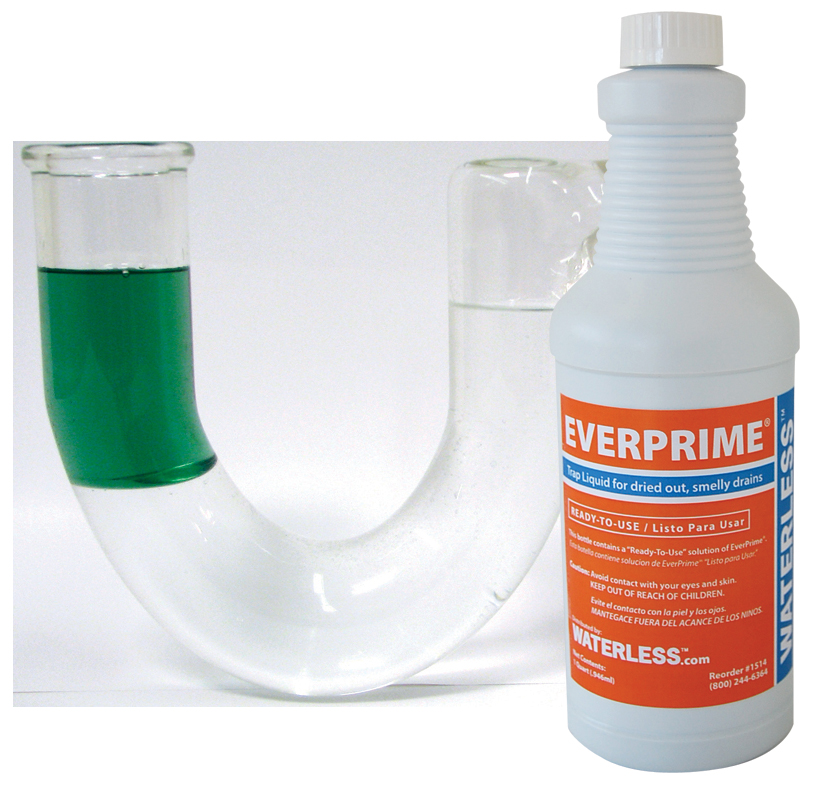
Totally biodegradable and freeze resistant, EverPrime eliminates sewer odors, minimizes plumbing and maintenance calls, and keeps pests away.
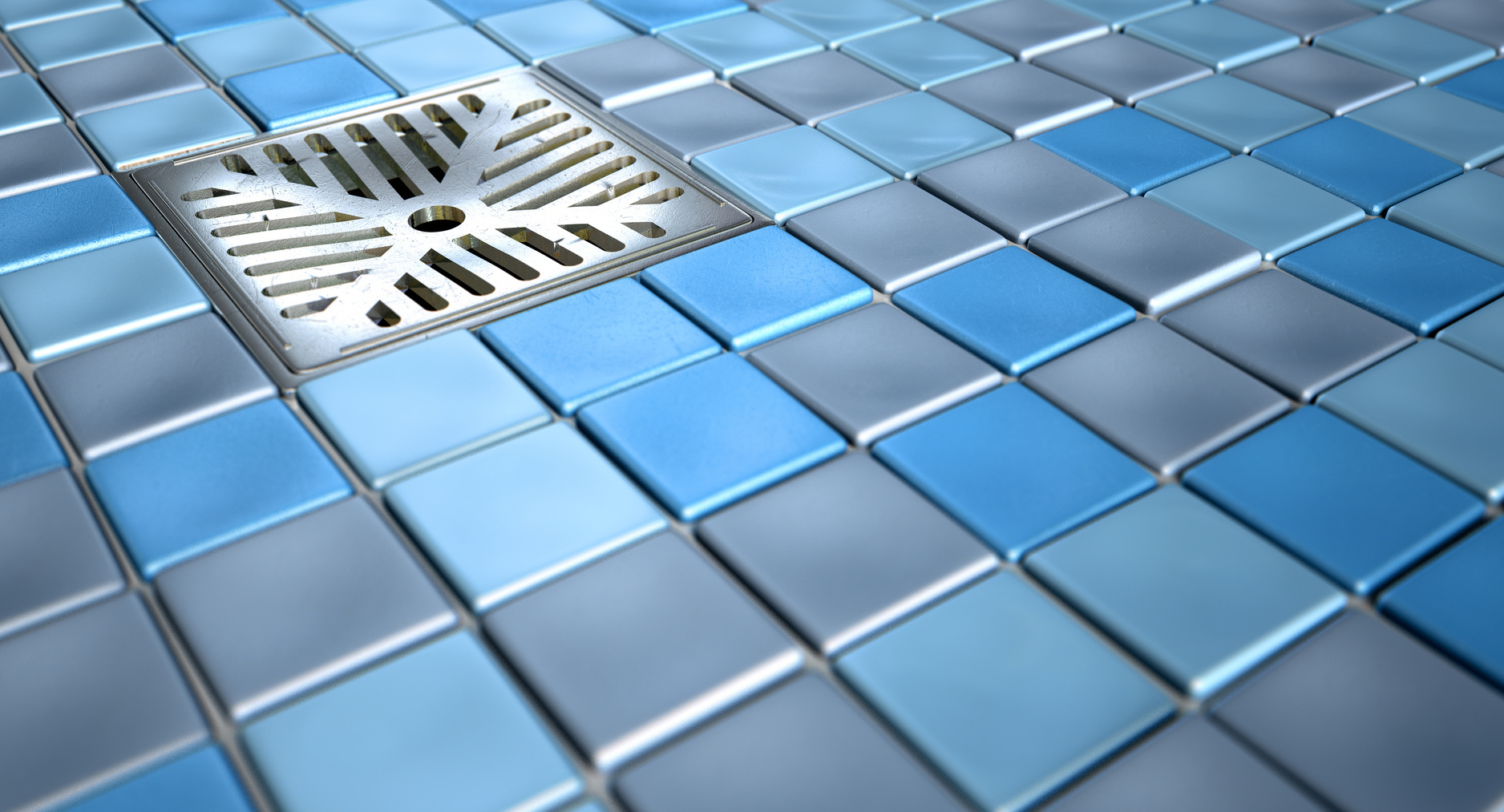
Use it in floor and shower drains, sinks, and even unused water fountains.
Great for schools, restaurants, stadiums, factories, empty/vacant buildings, marine applications, and other facilities.
Its freeze point is -20°, making EverPrime excellent for winterizing traps.
For more information, visit www.waterless.com or call toll-free: 800-244-6364.
How California Lost Six Billion Gallons of Water in Four Years
It’s no secret that the last four years have been bone dry in California. People in the state have repeatedly been told to conserve water and, in 2015, were required to cut back their water use by 25 percent to even 35 percent in certain areas of the state.

Finally, some relief came in 2016 in the form of much needed rainfall, but drought conditions could return again next year, and California will be back in the same situation as before. But right now, the state has some breathing room, and it is looking at what steps it can take quickly to start averting another crisis.
One of the possibilities is to convert billions of gallons of wastewater that is now flushed right into the Pacific Ocean and recycle it into treatable, useable water for vegetation and other purposes. It is estimated that, each year, the state flushes about 1.5 billion gallons of water into the ocean, so over the past four years, this amounts to about 6 billion gallons or more of water.
Some water utilities in the state are already recycling and purifying wastewater and doing a pretty good job of it. They just have to expand their operations significantly. But ,interestingly, it is some of the state’s largest companies that are taking the lead in recycling wastewater. Not only are they finding ways to recycle wastewater, but they are finding it to be a way to cut costs as well.
For instance, beginning in 2009, Genentech, a biotechnology company located in South San Francisco, has implemented a suite of water-saving initiatives. These types of initiatives are often referred to as using water “more efficiently” because they are long-term programs, not temporary ones just to address a current drought.
One of these water-saving programs includes the installation of a centralized gray water recycling system. Gray water is wastewater that can be treated and then reused for a number of purposes. Once the system is up and running, the company expects to cut its water consumption—purchased from local water utilities—by approximately 60 million gallons of water annually. This water will then be reused in the facility’s cooling systems, for irrigation, and for toilets.
What many large and small companies in the state are also doing is removing traditional urinals, which each use about 35,000 gallons of water per year, and replacing them with no-water or waterless urinals. This can provide tremendous water savings.
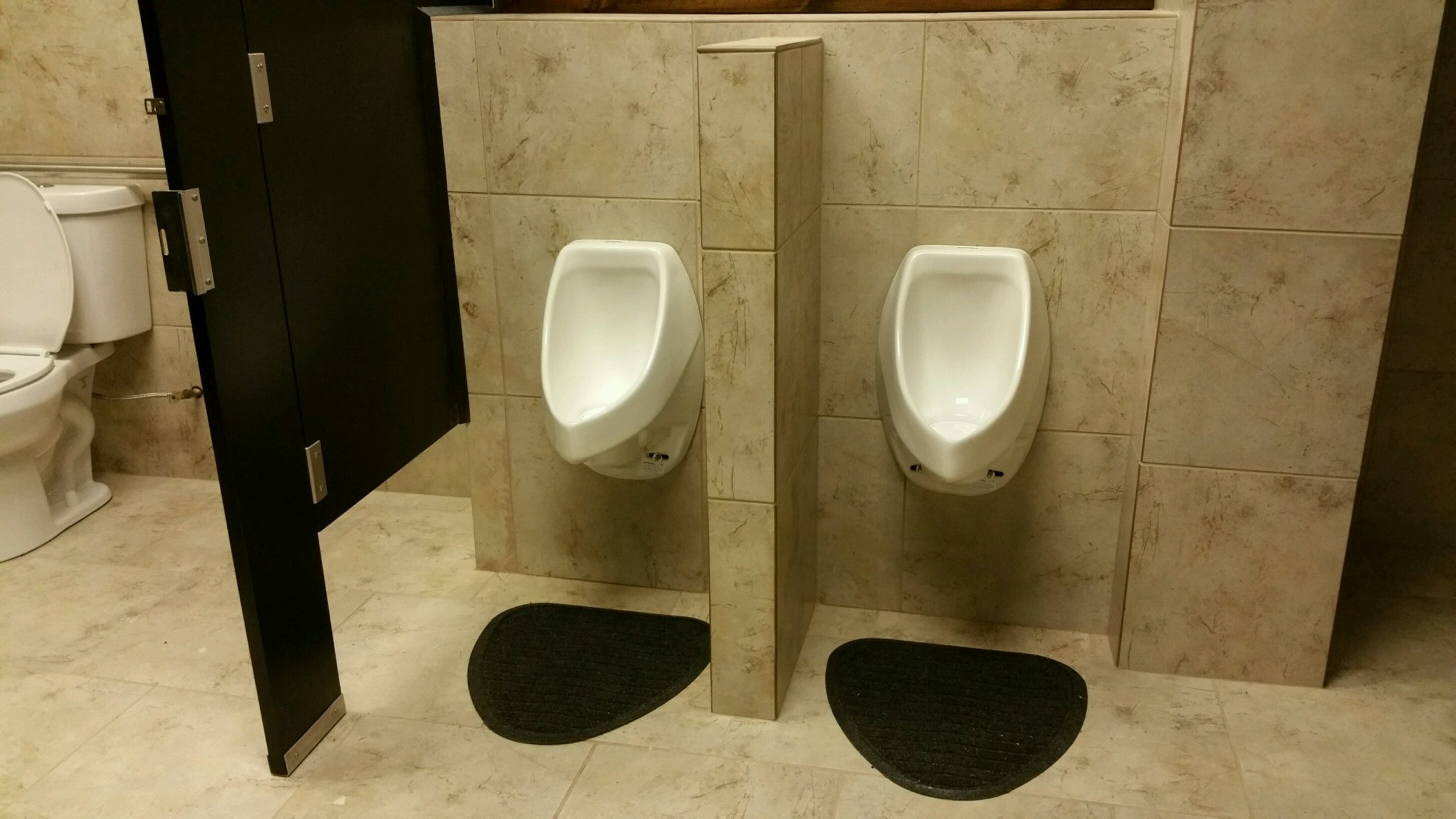
As an example, Genentech has more than 13,000 employees working in its 750,000-square-foot research laboratory. Let’s say half of those employees are men and that the laboratory has 150 urinals. If each of those are water-using urinals, then Genentech is using about 5.8 million gallons of water annually just for urinals. If it installed no-water or waterless urinals, it would instead be saving 5.8 million gallons of water per year. That is a big water savings and one that can be achieved surprisingly quickly and inexpensively.
For more information on how to reduce water consumption, waterless urinals, and use water more efficiently, please contact a Waterless Co representative.