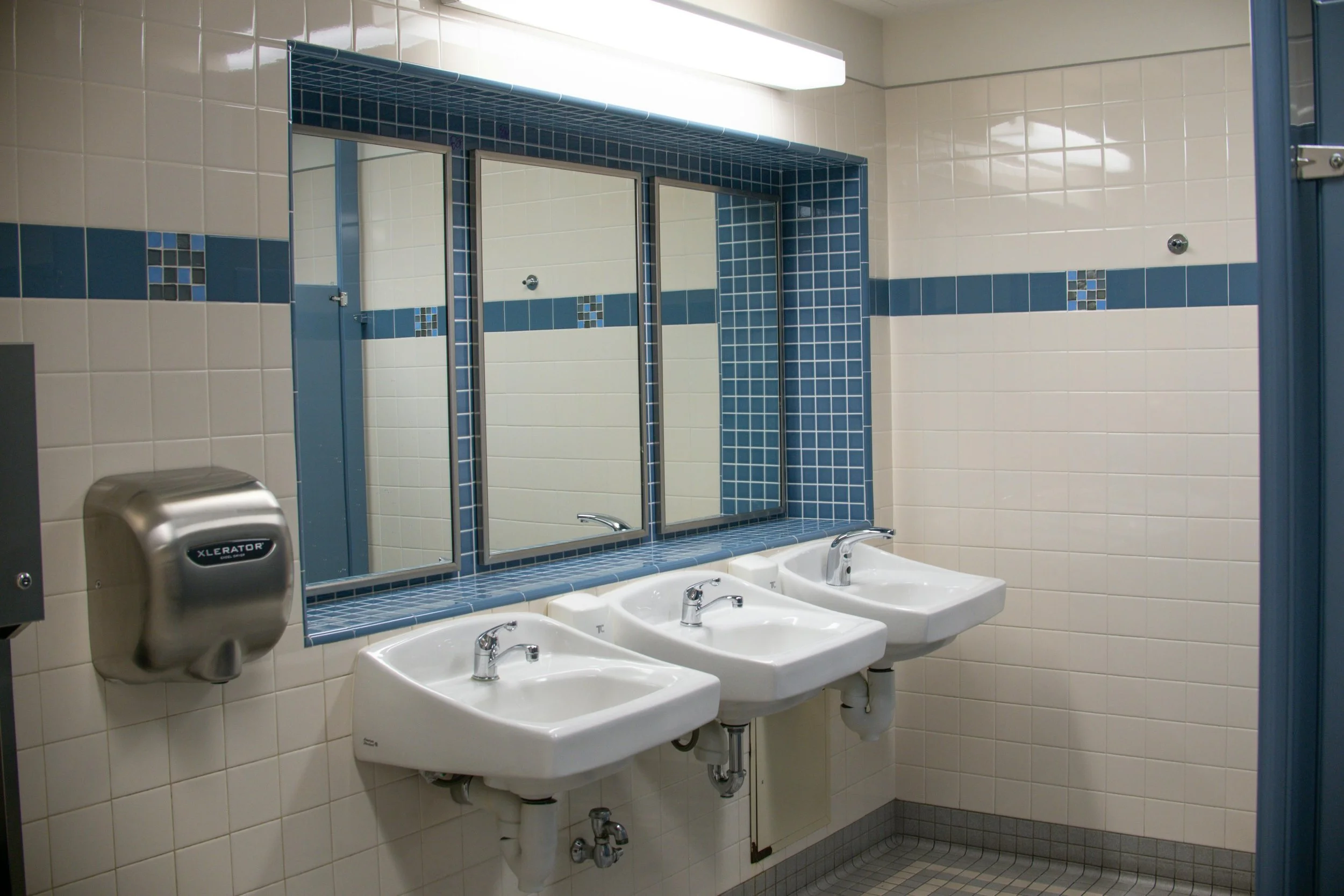

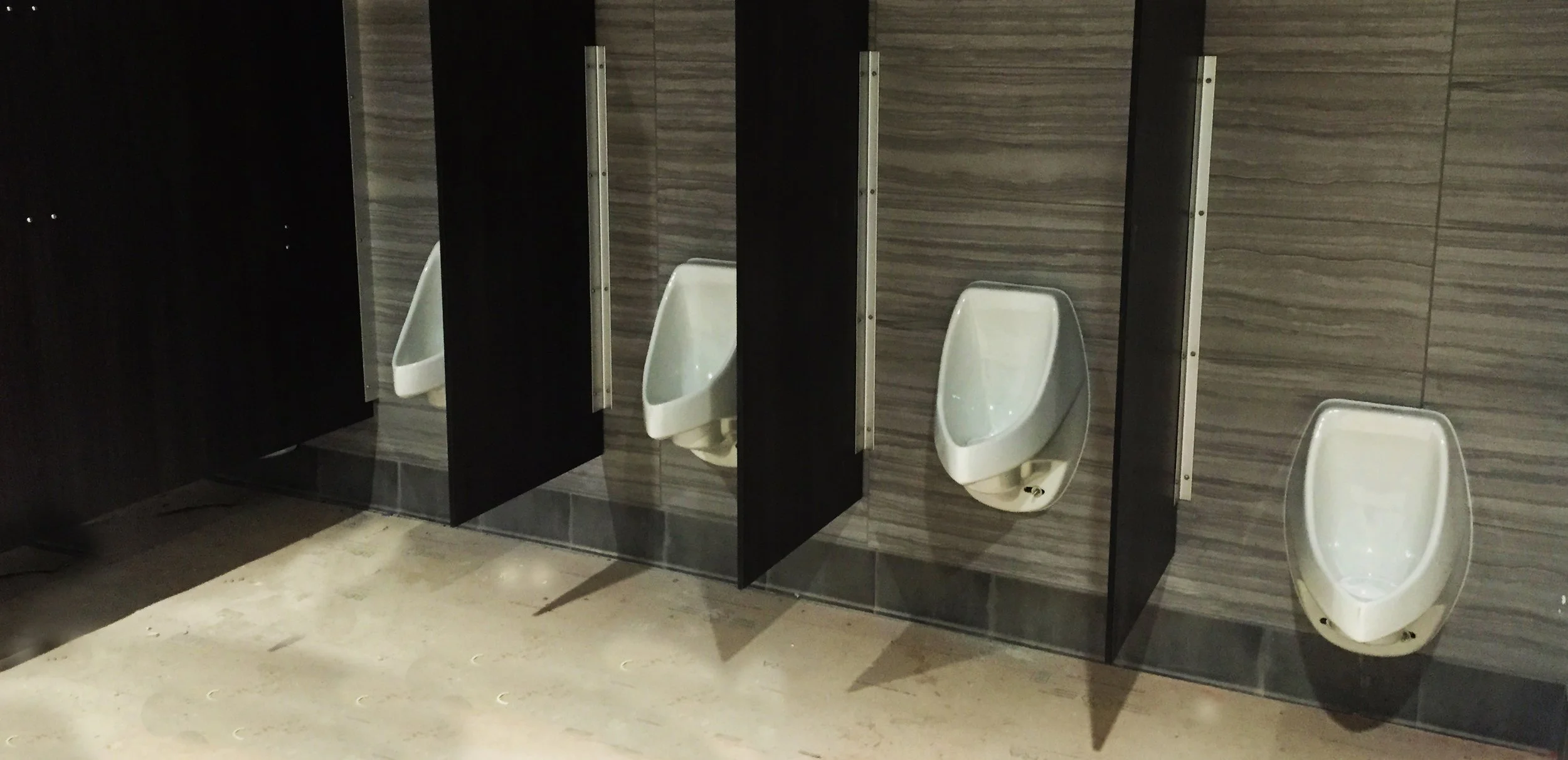
Installed at the Mercedes Benz Stadium in Atlanta
While sales of waterless (no-flush) urinals remain steady year-round, interest typically peaks during the spring and summer. This is the "prime season" for commercial restroom retrofits, as facility managers look to replace outdated, high-water-usage fixtures with sustainable alternatives.
If you are considering a transition to eco-friendly restrooms, here are the most common questions regarding the installation, maintenance, and ROI of Waterless Co., Inc. products.
1. How long has Waterless Co., Inc. been in business?
We have been leading the industry for 35 years, longer than any other company in North America. While newer brands have entered the market recently, we remain the most established and trusted provider of waterless urial technology in North America.
2. Who should install a waterless urinal?
For a proper and compliant setup, installation should always be handled by a plumbing professional. Commercial Buildings: Most school districts and large facilities utilize in-house plumbers.
Small Businesses: Local licensed contractors are well-equipped to handle the retrofit.
3. What are the installation requirements for waterless urinals?
In most cases, a waterless urinal fits directly over the existing footprint of the old unit. However, two technical adjustments may be necessary:
Drain Line Height: A plumber may occasionally need to lower the drainpipe to ensure the correct "rim-to-floor" height.
Capping Water Lines: The old pipes that fed the flush valves must be capped. This can be done behind the wall for a seamless look or discreetly at the wall surface.
4. How do you clean and maintain a waterless urinal?
Cleaning a waterless fixture is simpler and more hygienic than traditional flush urinals. Because the surface stays dry, it inhibits bacterial growth and significantly reduces odors.
The Process: Simply spray an all-purpose cleaner or sanitizer and wipe the surface clean.
No Hard Scrubbing: Because there is no water flow, you won't deal with the lime scale or mineral buildup common in flush urinals.
5. How do I dispose of old porcelain urinals?
Don't just throw them away! We recommend looking for toilet and urinal rebate programs in your local community.
Recycling: Old fixtures are sent to specialized centers where they strip the metal valves and crush the porcelain into "pebbles." This material is often recycled into bitumen for road foundations.
Note on Reusing: Due to U.S. plumbing codes and sanitary reasons, you generally cannot reuse old urinals in new installations.
6. What is the ROI of switching to waterless technology?
Beyond the environmental benefits, the primary driver for most facilities is the bottom line.
Lower Upfront Costs: Waterless units are typically less expensive to purchase and faster to install than flush models.
Utility Savings: You save 100% on water procurement and sewage disposal costs for that fixture.
Payback Period: Most facilities see a full Return on Investment (ROI) within 1 to 2 years.
Why the Shift to Waterless Technology?
Years ago, the most common question was, "How does it work?" Today, the conversation has changed. With waterless urinals becoming the standard in airports, stadiums, and high-traffic offices, facility managers are prioritizing the maintenance savings and hygiene benefits that come with a modern, eco-conscious building.
The Future Doesn't Flush – Clean and Hygienic Waterless No-Flush™ Urinals