
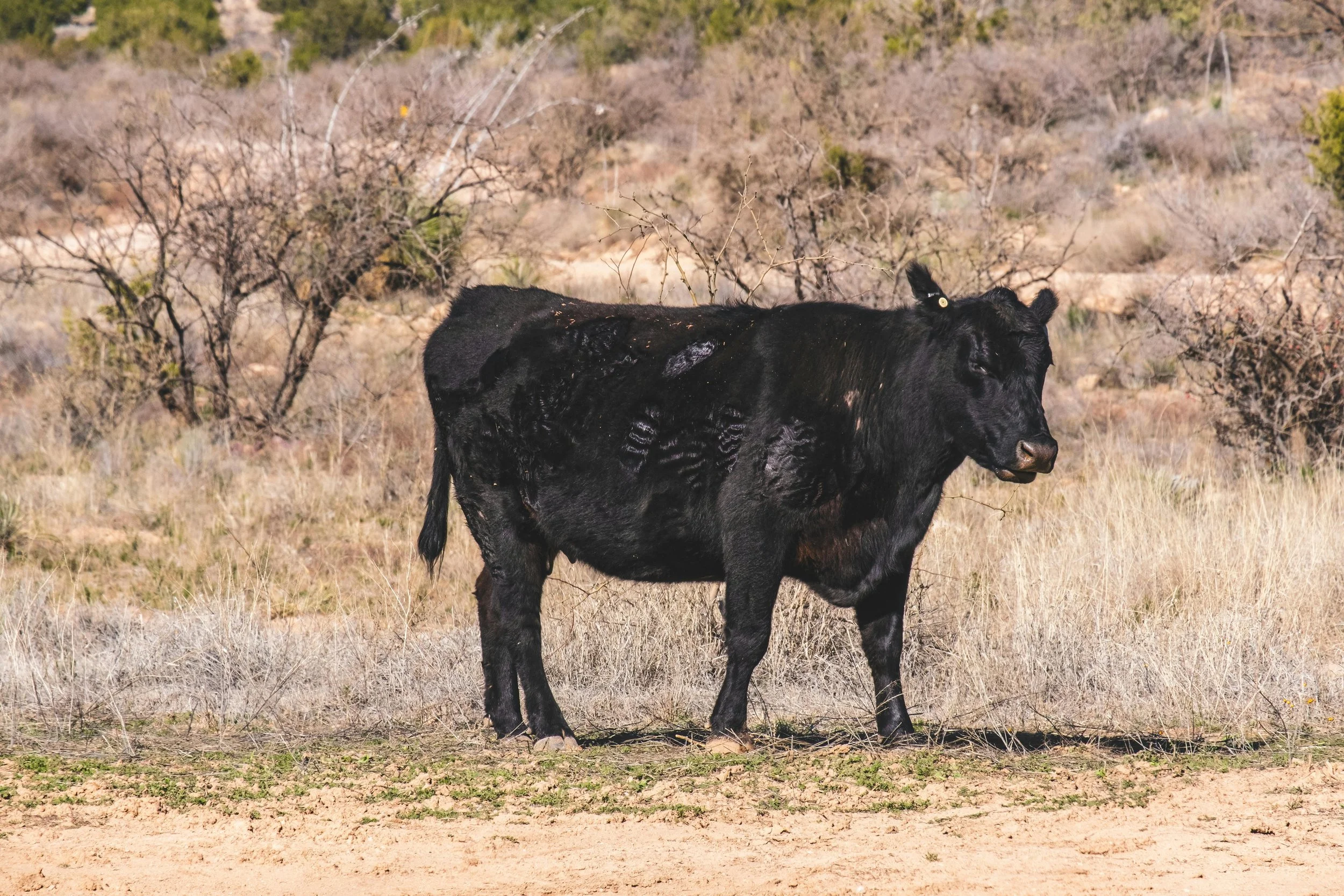
Image by Malcom Garrett found on Prexels
Why Your Steak Is Getting More Expensive: The Crisis Behind the Price Tag
If you eat meat, your grocery receipts have likely been delivering some sticker shock lately. Over the last half-decade, certain cuts of beef have jumped in price by as much as 40%. This isn't just standard inflation; it’s the result of a perfect storm hitting the American ranching industry.
Here is a look at why beef costs are soaring and why the market won't be cooling down anytime soon.
The 75-Year Low: A Herd in Decline
The American cattle population has dwindled to its smallest size since the Truman administration. This massive contraction is fueled by three primary issues:
Climate Stress: Persistent, multi-year droughts.
Economic Pressure: Skyrocketing costs for livestock feed.
Demographics: An aging population of ranchers with fewer young people entering the trade.
The Role of Drought
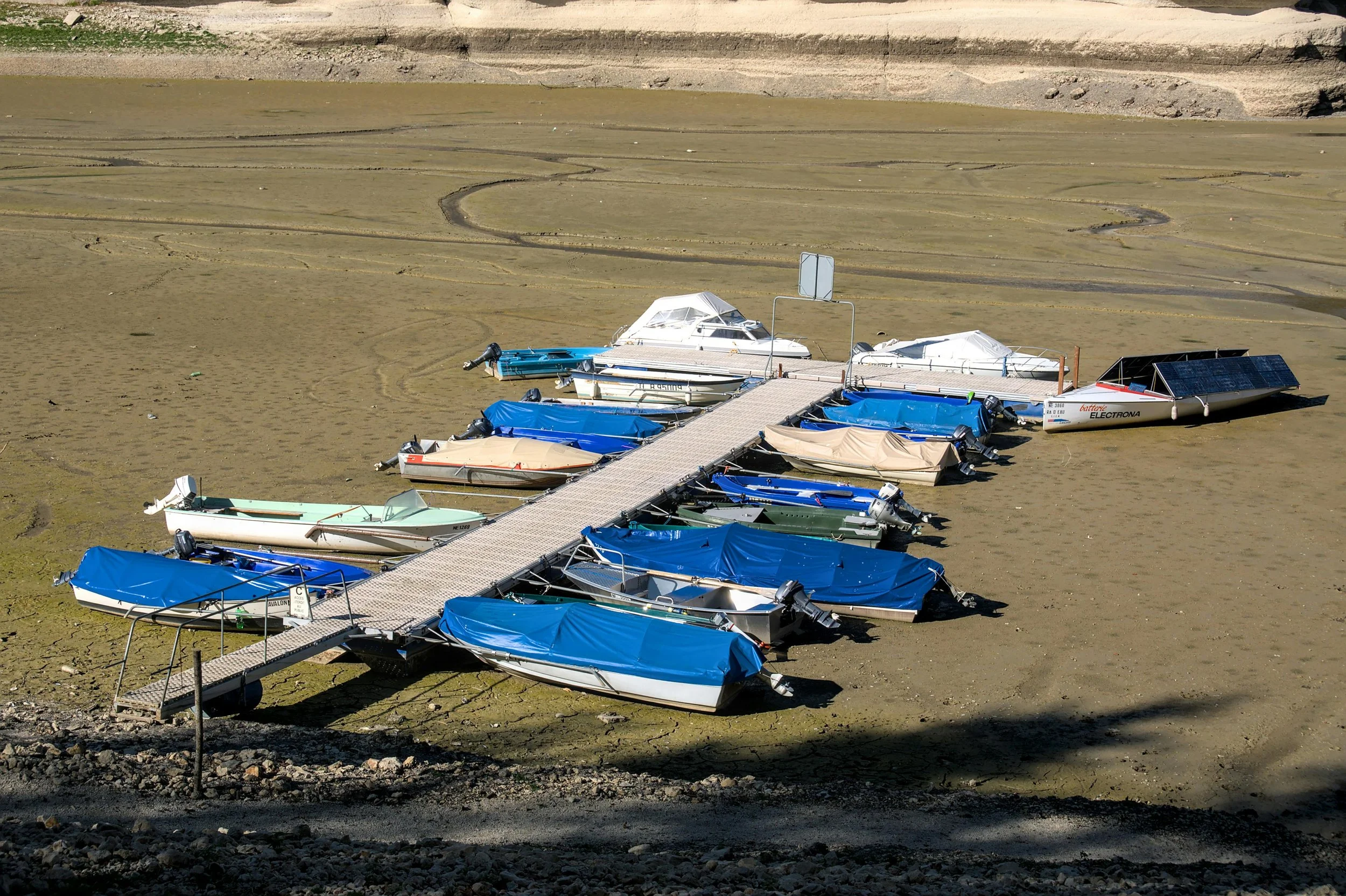
Drought is the "invisible hand" pushing prices up. Across the West and the Great Plains, parched grasslands have left ranchers without the natural resources needed to sustain their animals.
In a desperate move to stay afloat, many producers have been forced to sell off their breeding cows. Because these are the animals responsible for future generations of calves, selling them today guarantees a supply shortage tomorrow.
Why We Can’t "Fix" It Quickly
Unlike manufacturing, you can’t simply turn a dial to increase beef production. It takes roughly two years to raise cattle for market, and even longer to rebuild a decimated herd. Experts, including Oklahoma State University’s Derrell Peel, suggest that consumers shouldn't expect significant relief for several years.
Market Monopolies and Pricing
Beyond the farm gate, the "Big Four" meatpackers—Tyson, JBS, Cargill, and National Beef—control about 85% of the grain-fed cattle market. This extreme concentration has caught the attention of the Department of Justice, which is currently investigating whether these industry giants are engaging in unfair pricing practices.
The Numbers: Paying More, Buying More
The financial shift is stark. Between March 2025 and March 2026, the average price of beef climbed from $8.70 to over $10.00 per pound. Interestingly, American demand remains ironclad. In 2025, consumers spent a record $45 billion on beef, showing that despite the cost, appetite for steak and burgers isn't fading.
Looking Upstream: The Water Efficiency Solution
While we can’t make it rain, we can change how we manage the water we have. Improving water resilience is a two-pronged approach:
1. Water Conservation: Temporary measures to cut back during emergencies.
2. Water Efficiency: Long-term infrastructure changes that use less water to get the same job done.
One practical example of efficiency is the adoption of waterless urinals in commercial buildings. By eliminating water waste in our infrastructure, we reduce the total strain on our water systems. Scaling these kinds of technological shifts—from industrial restrooms to agricultural irrigation—is essential for mitigating the drought cycles that eventually hit our wallets at the checkout line.
The Bottom Line: A supply crisis years in the making will require years of recovery. Until the rains return and the herds rebuild, high prices are the new reality.