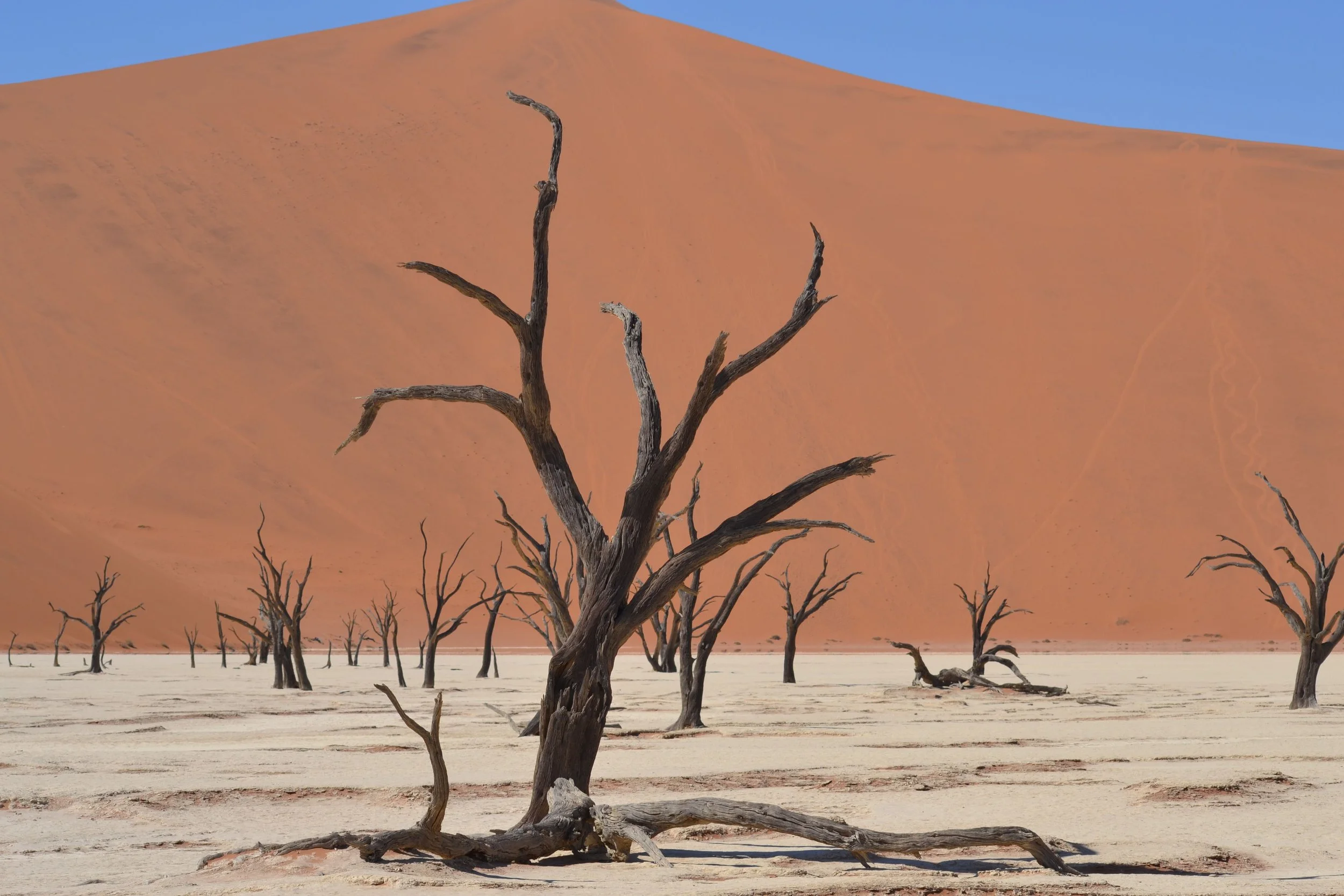
image found on Prexels
Summer has just started, and already most of the country is dealing with dry conditions. Higher temperatures, thin rainfall, and rising demand are converging in a way that's putting real pressure on farms, businesses, and entire water systems — and the strain is only expected to build as the season goes on.
Just How Widespread Is It?
Data from the National Drought Mitigation Center at the University of Nebraska-Lincoln paints a stark picture: only Michigan, Indiana, Ohio, Alaska, and Hawaii have zero land currently classified as drought-affected — and Ohio is the sole state without even "abnormally dry" conditions anywhere within its borders.
That means nearly every other state in the country has at least some portion of land in moderate drought or worse, with the West, the High Plains, and parts of the Southeast bearing the brunt of sustained heat.
What the Drought Scale Actually Means
Drought severity is tracked on a five-tier scale, running from D0 (Abnormally Dry) up to D4 (Exceptional Drought). Once an area reaches D1 — Moderate Drought — the effects start showing up in tangible ways: crop yields slip, pastures thin out, water systems come under strain, and wildfire risk climbs.
Two States Standing Out for the Worst Reasons
Conditions are uneven across the country, but Colorado and North Carolina are taking the hardest hits right now.
Colorado — roughly 97% of the state is in at least Moderate Drought, and more than 9% has escalated all the way to Exceptional Drought (D4).
North Carolina — over 90% of the state is sitting at Severe Drought (D2) or beyond, with more than 7% in the most extreme category — the kind of territory where mandatory water restrictions and serious agricultural strain tend to follow.
Why Drought Doesn't Look the Same Everywhere
Two towns in the same state can experience drought very differently. Local rainfall totals, reservoir capacity, groundwater reserves, and how well a community manages its water supply all shape the outcome — meaning shared weather doesn't guarantee shared impact.
Farmers Are Already Paying the Price
Dry conditions are showing up directly in crop health. Nationally, about 46% of the winter wheat crop across the High Plains is rated poor or very poor right now. The state-by-state numbers are even more sobering:
Nebraska: 83% poor or very poor
Colorado: 63%
Kansas: 55%
If the dryness continues through the rest of the growing season, expect ripple effects on both crop yields and grocery prices.
The West Isn't Catching a Break
Across the northern reaches of the western U.S., higher-than-normal temperatures are speeding up evaporation and drawing down water supplies faster than usual. Water managers are keeping a close eye on reservoirs and snowpack recovery, bracing for further shortages if the pattern holds.
A Bit of Relief — For Now
Parts of the Midwest and Northeast have seen some recent rain, offering short-term relief. But forecasters aren't ready to call it a trend — if extended heat waves move in later this summer, those gains could disappear quickly.
Why This Puts Water Efficiency Front and Center
As drought conditions widen their reach, cutting unnecessary water use becomes one of the most reliable tools communities and businesses have for protecting a shrinking resource.
The key distinction: water efficiency isn't the same as emergency rationing. It's about making lasting changes that reduce consumption permanently, without sacrificing performance or comfort for the people using the building.
A few practical starting points for organizations and property owners:
Switch to water-efficient fixtures, such as waterless urinals
Replace thirsty landscaping with drought-tolerant plants and xeriscaping
Catch and fix leaks before they become costly
Track water use closely enough to spot unusual spikes
Build a culture of conscious water use across homes, offices, schools, and public spaces
As dry conditions continue to spread across the map, investing in water-efficient technology now is one of the clearest ways to build resilience, cut long-term operating costs, and protect a resource that's only becoming more valuable.
Sources: National Drought Mitigation Center, University of Nebraska-Lincoln; The New York Times Heat Tracker